
Liczba wyników: 34
-
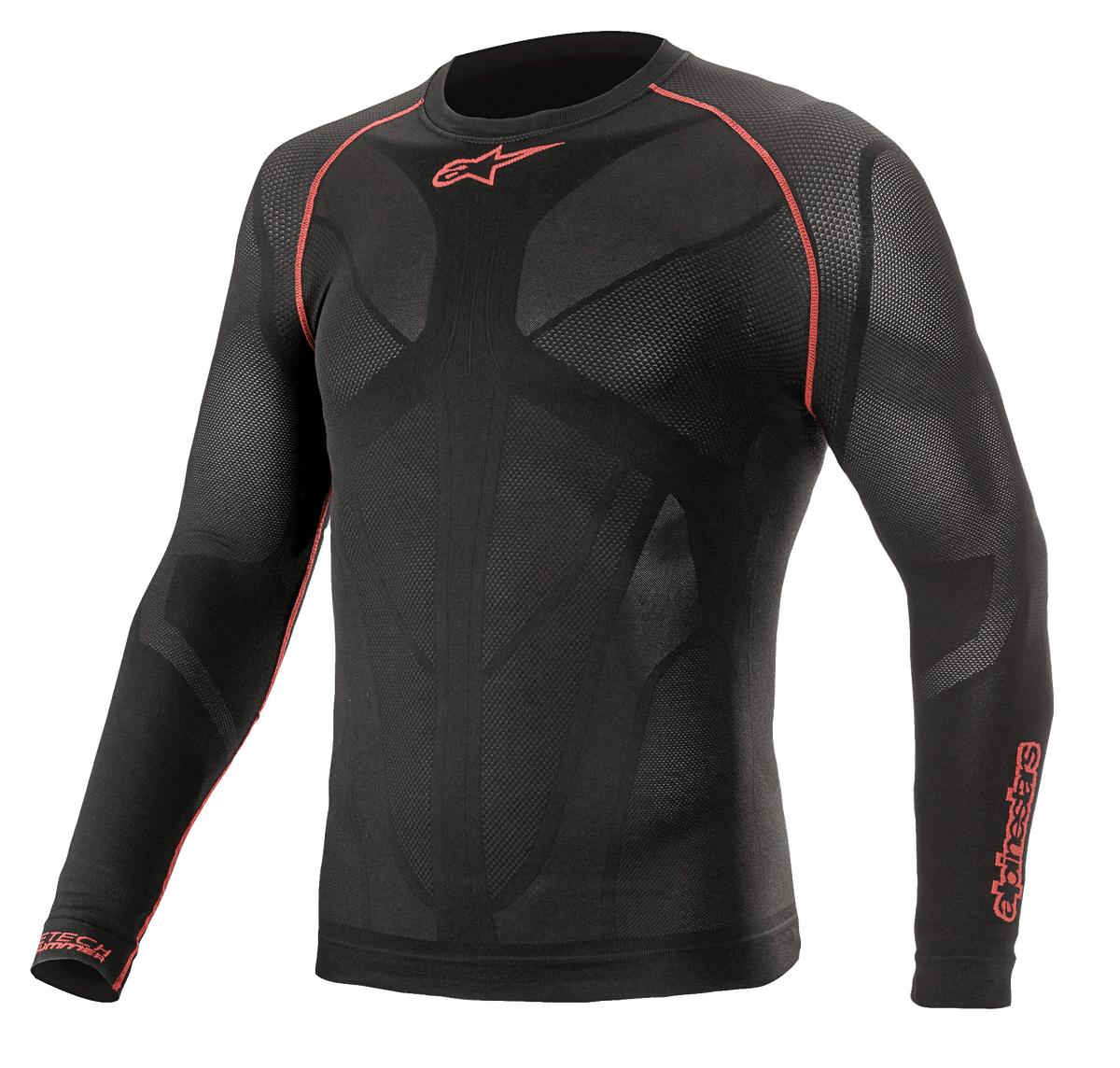
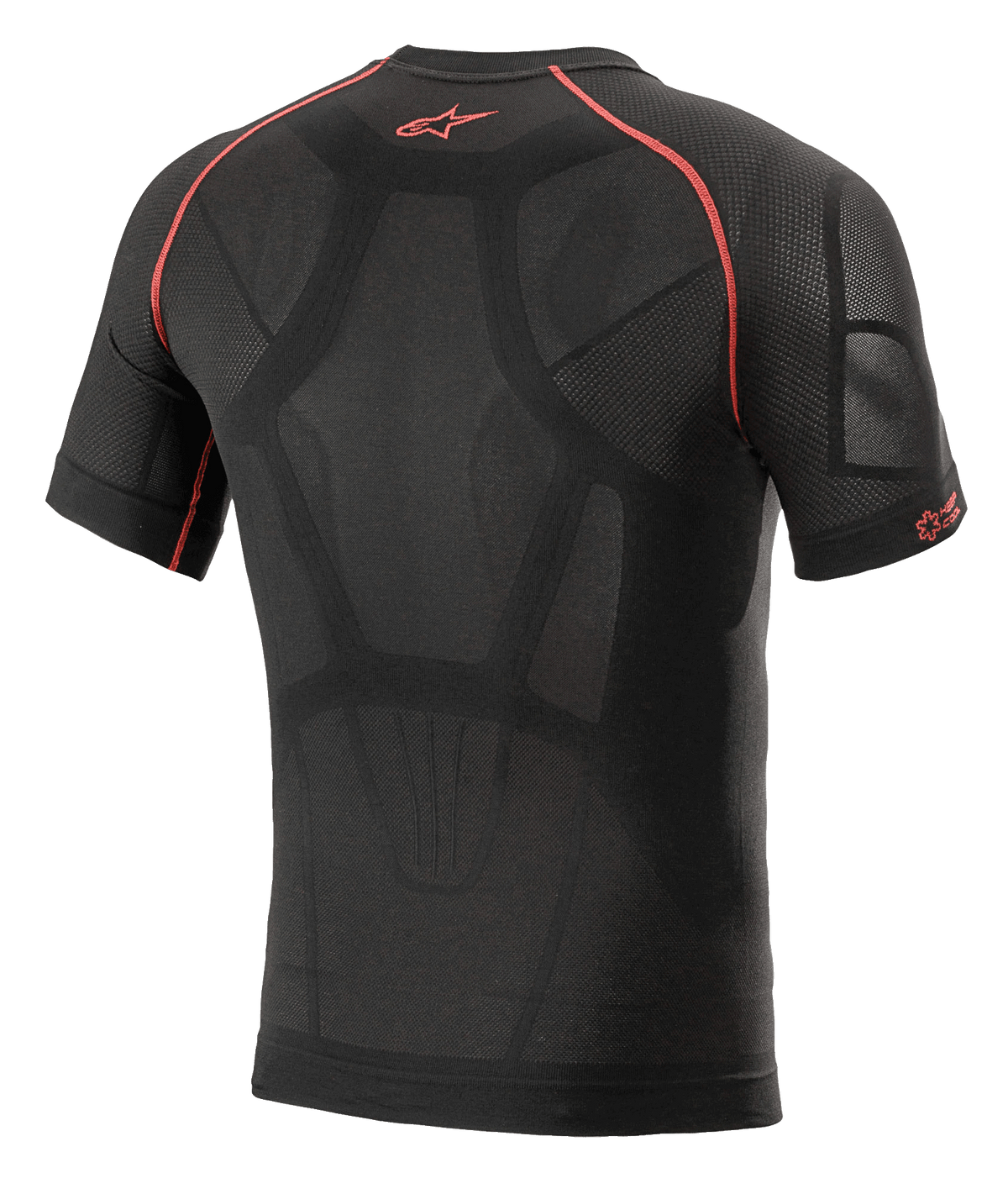
Top Bielizny Technicznej Ride V2 Letni -
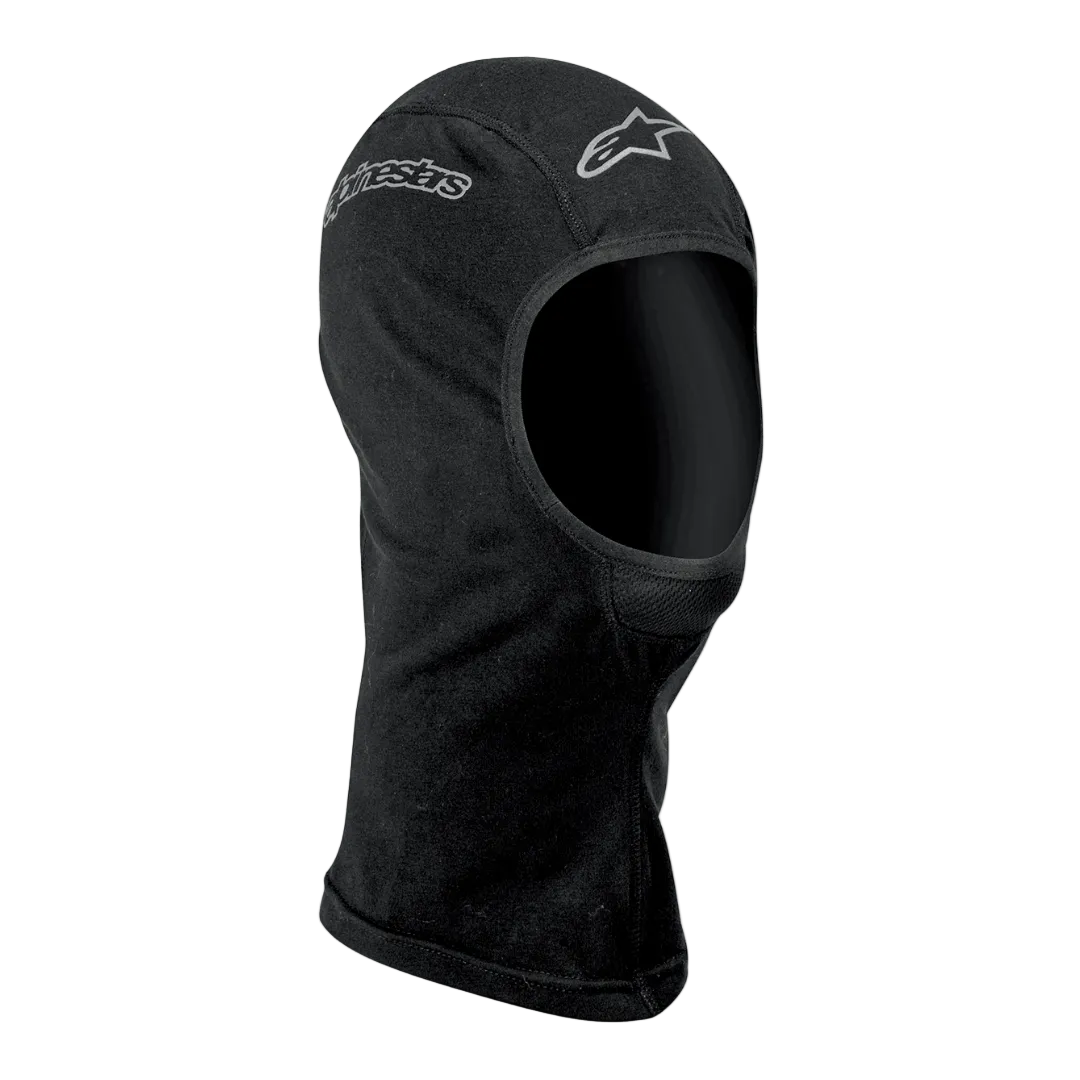
Kominiarka Alpinestars Open-Face -
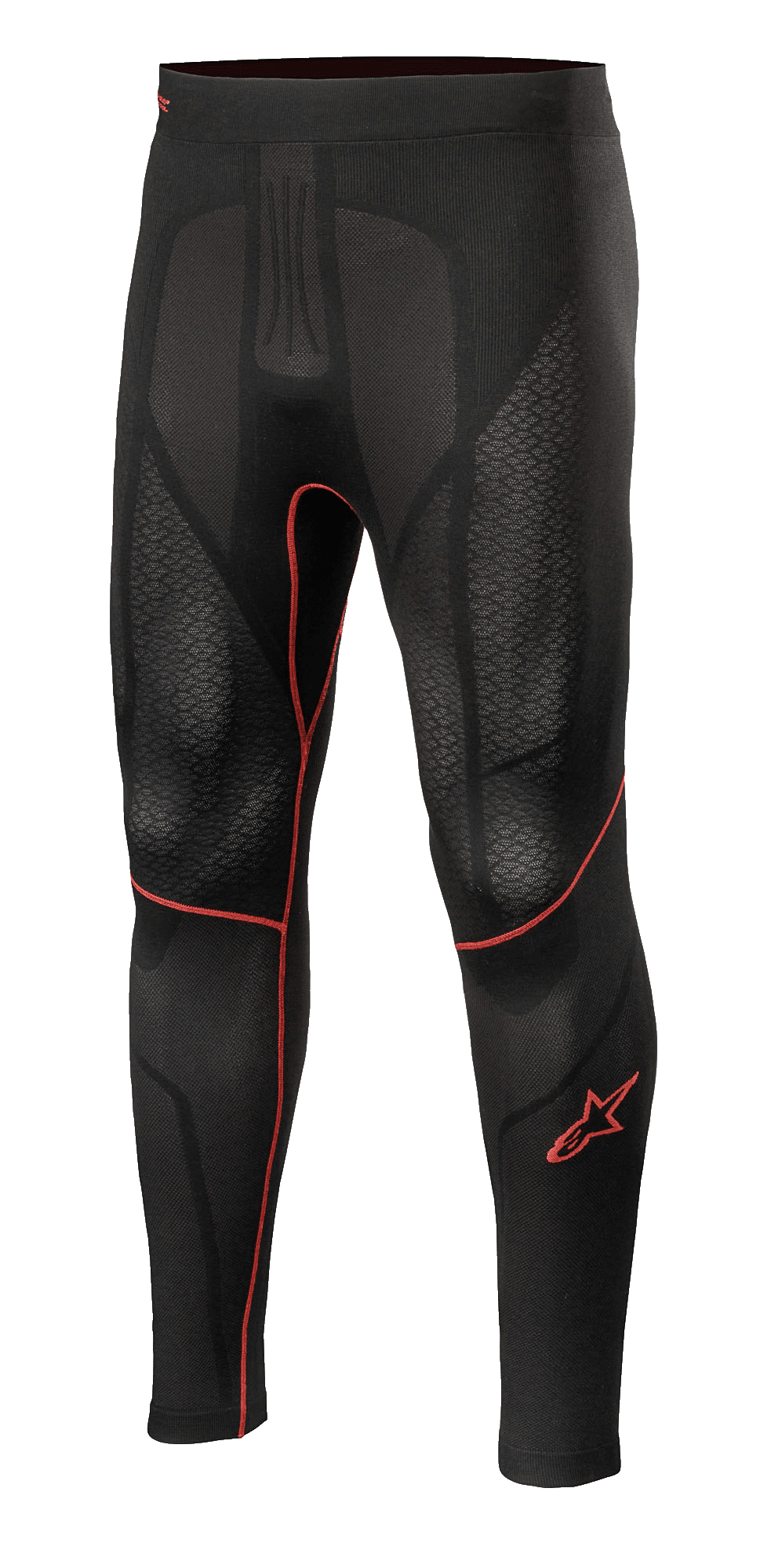
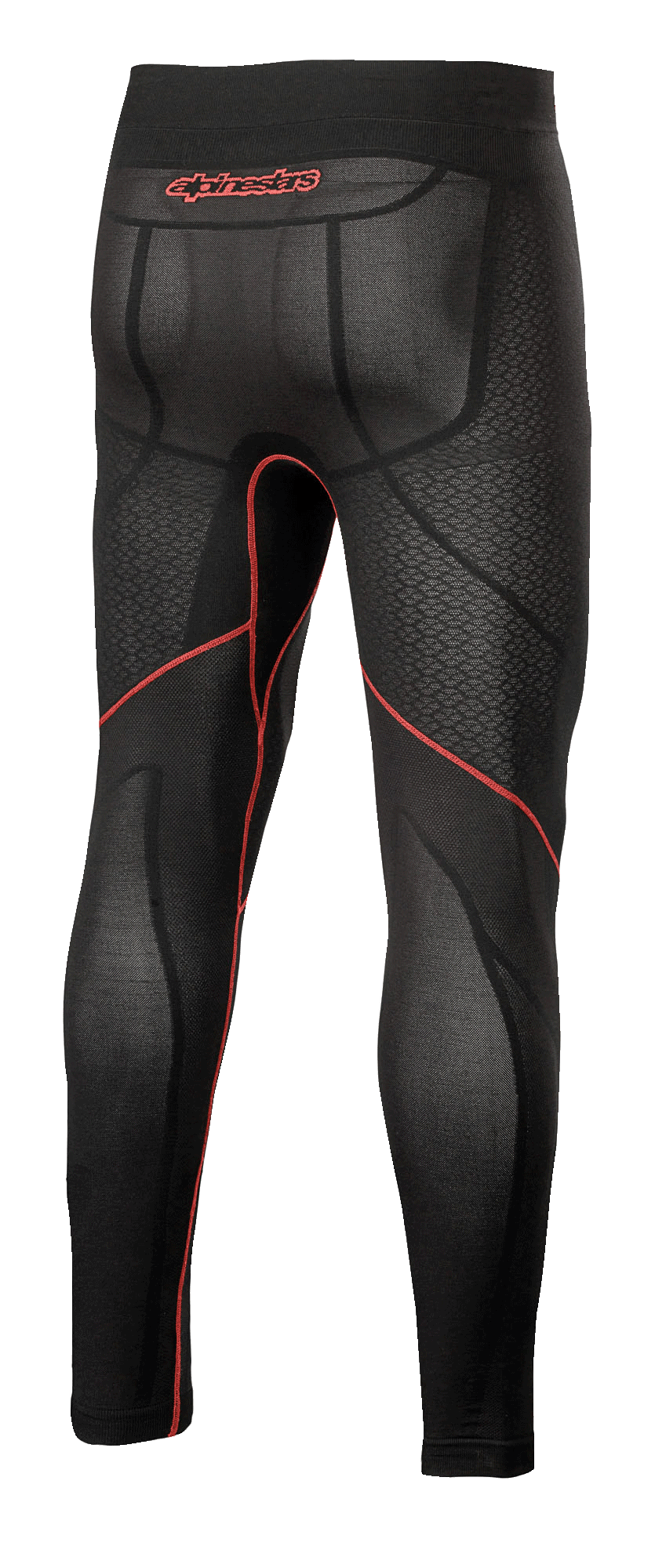
Bielizna Techniczna Ride V2 Letnie Spodnie -
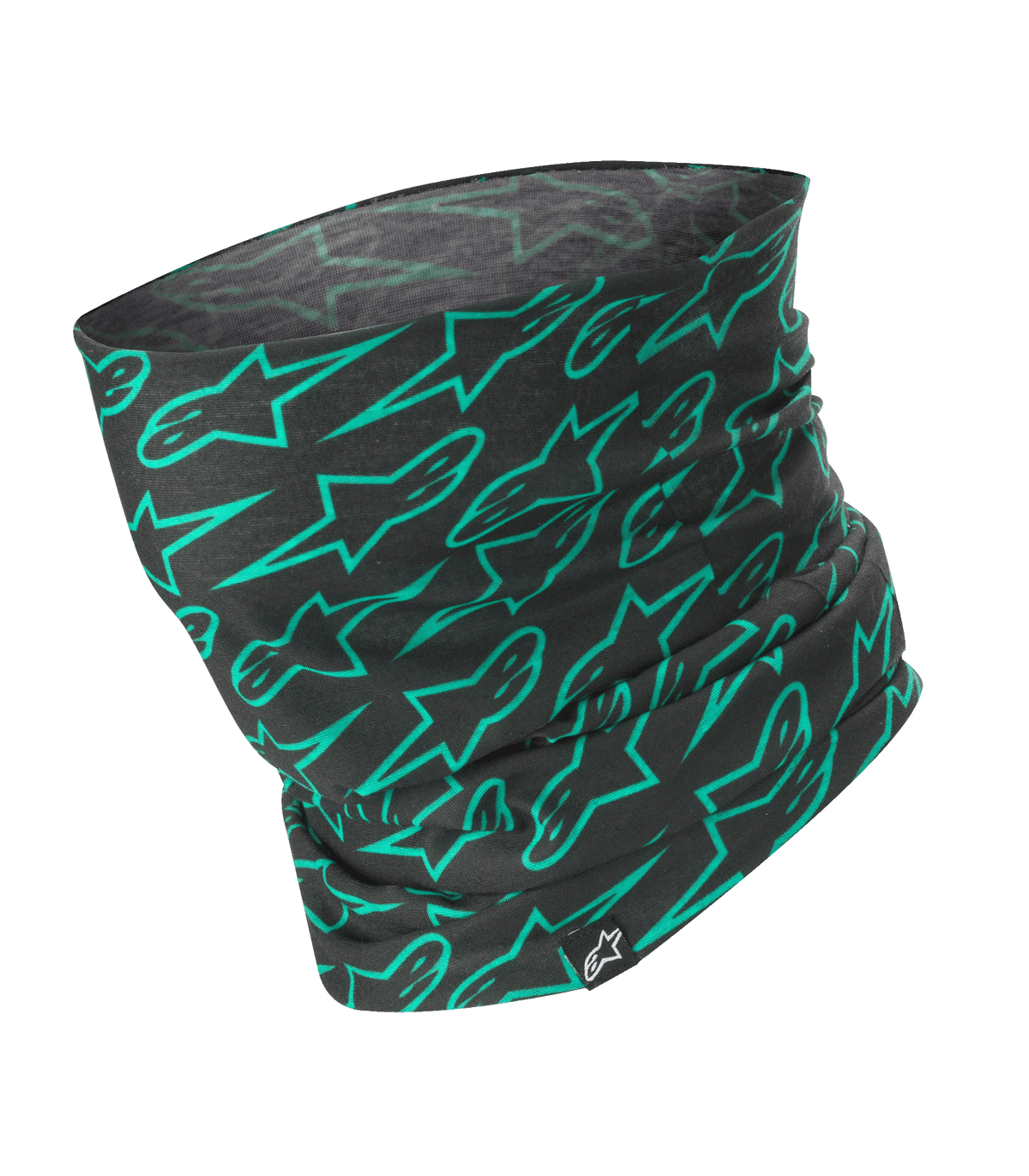
Komin Alpinestars Tech -
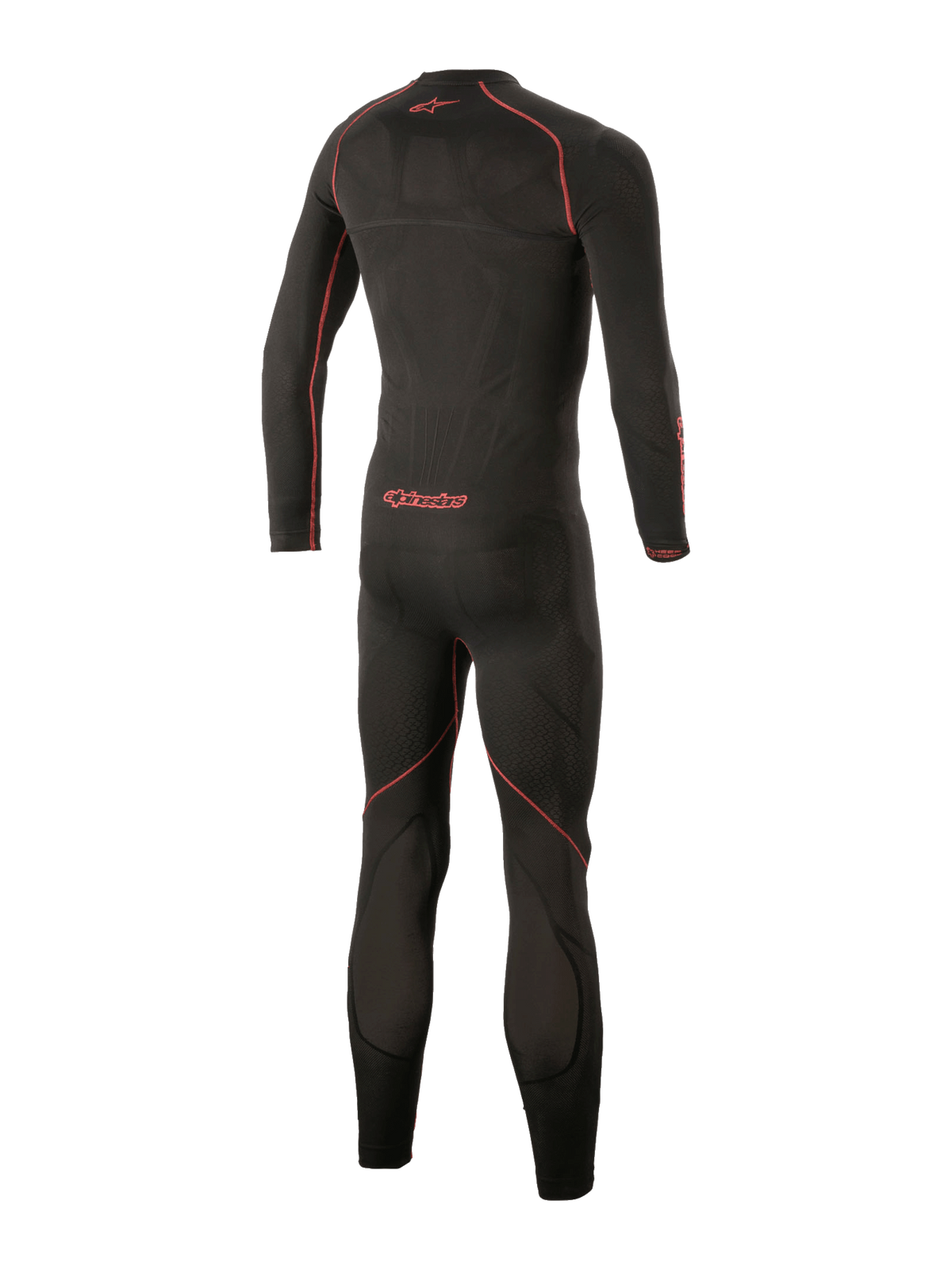
Bielizna Techniczna Alpinestars Ride Lite 1 Sztuka -
Bielizna Techniczna Alpinestars Ride Tech Długi Rękaw Zimowa -
Top Bielizny Technicznej Ride V2 Letni -
Komin -
Skarpety Wyścigowe Ponad Kostkę -
Bielizna Techniczna Ride Tech Winter -
Kominiarka Alpinestars Skull Cap -
Kominiarka Alpinestars Winter Touring -
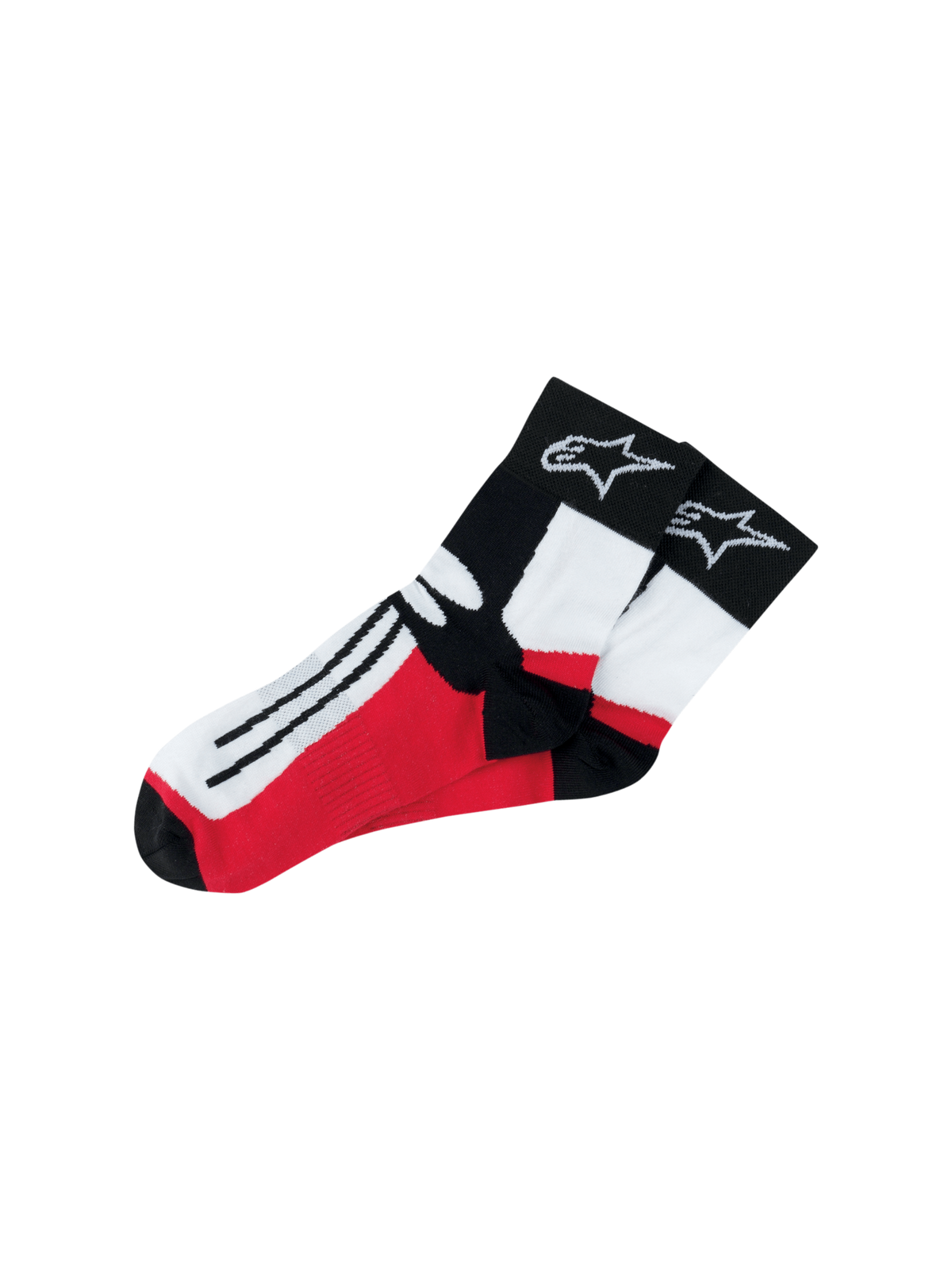
Skarpety Road Racing Letnie -
Komin -
Komin -
Komin MM93 -
Komin -
Top Bielizny Technicznej -
Komin -
Długa Bielizna Techniczna Tech-Air® 10 Race System -
Komin Buff Ignite -
Komin MM93 -
Kamizelka HT Heat Tech -
Komin -
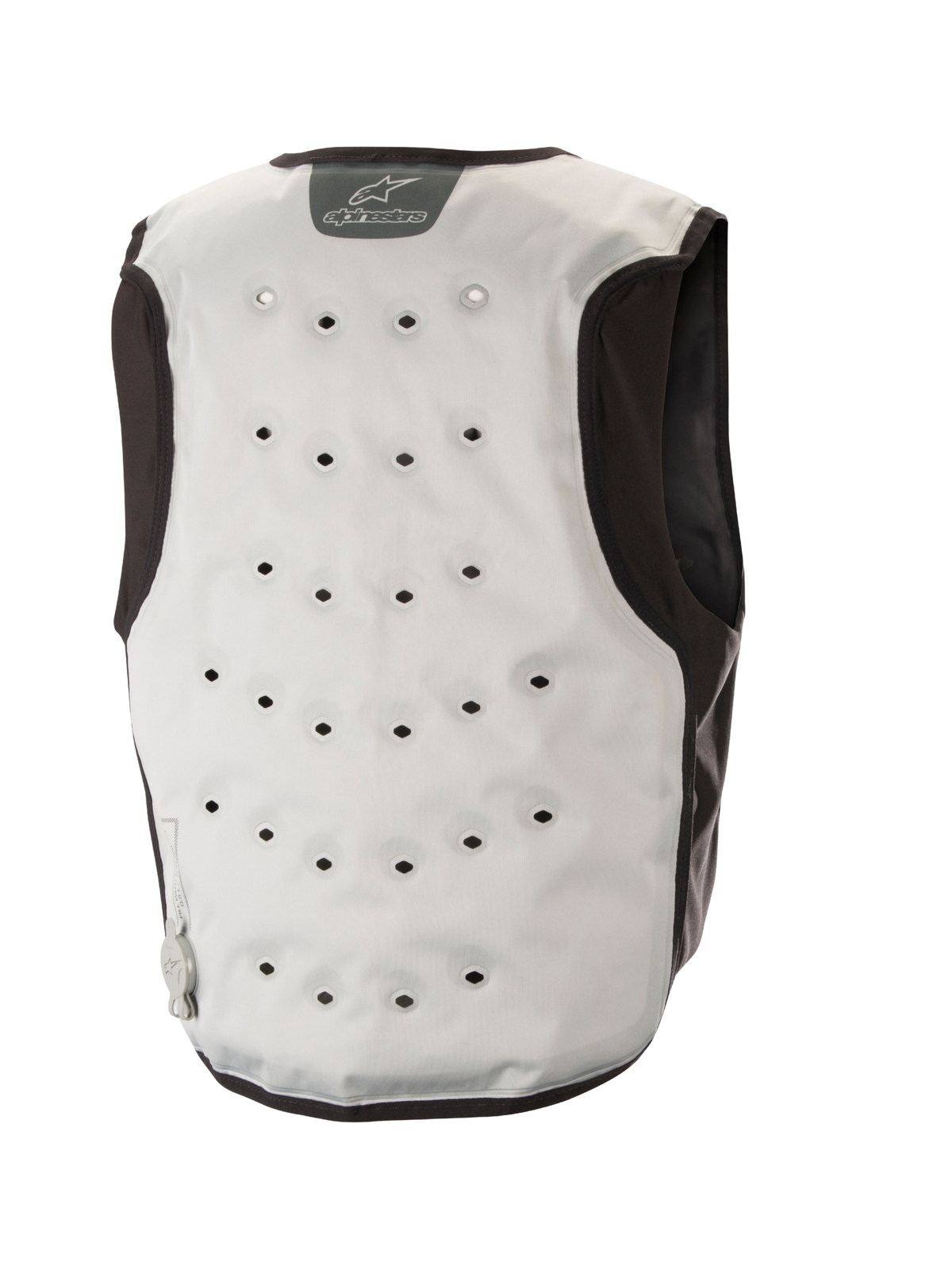
Kamizelka Chłodząca -
Komin Buff Ignite -
Komin Alpinestars Tactical -
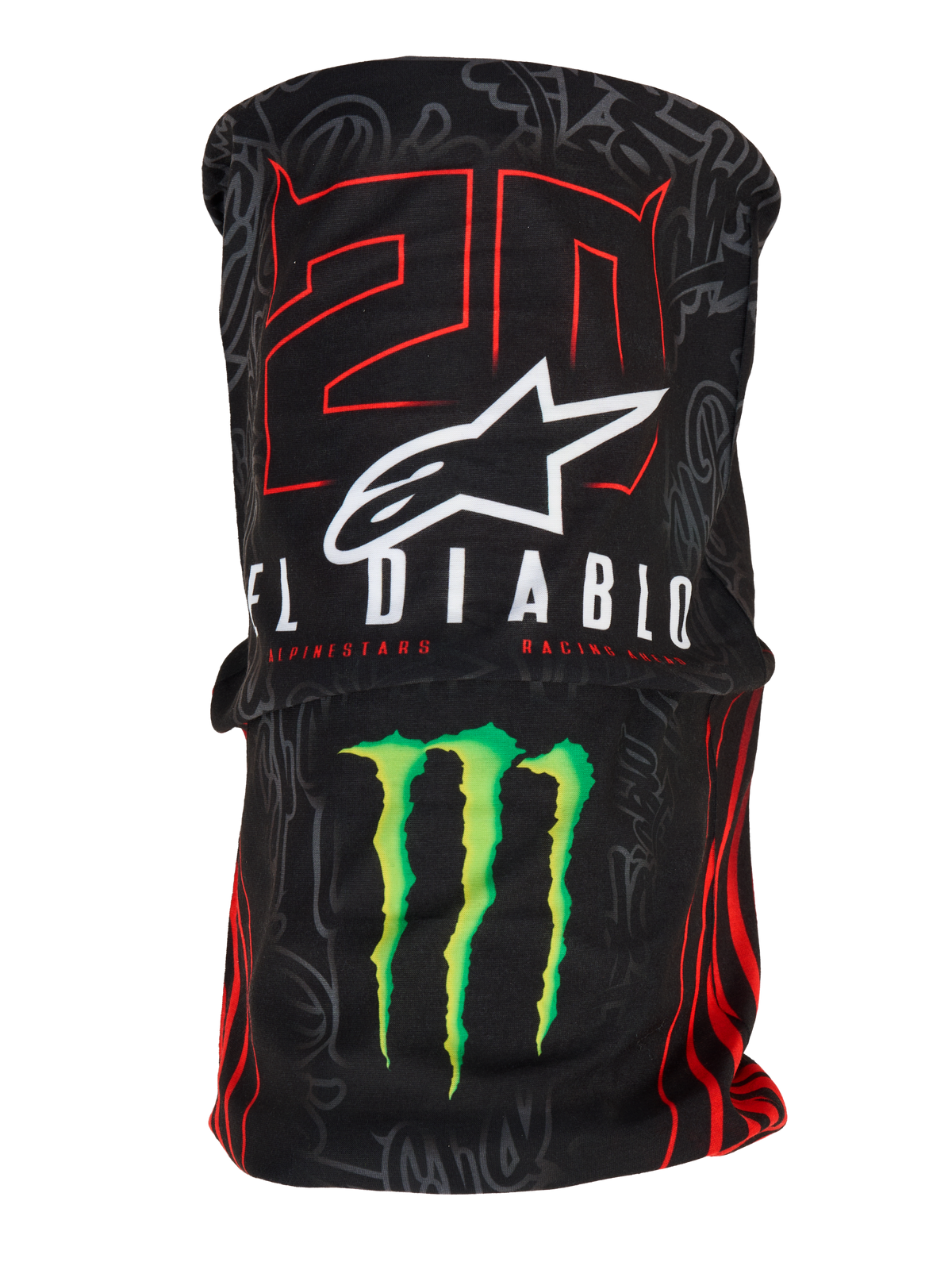
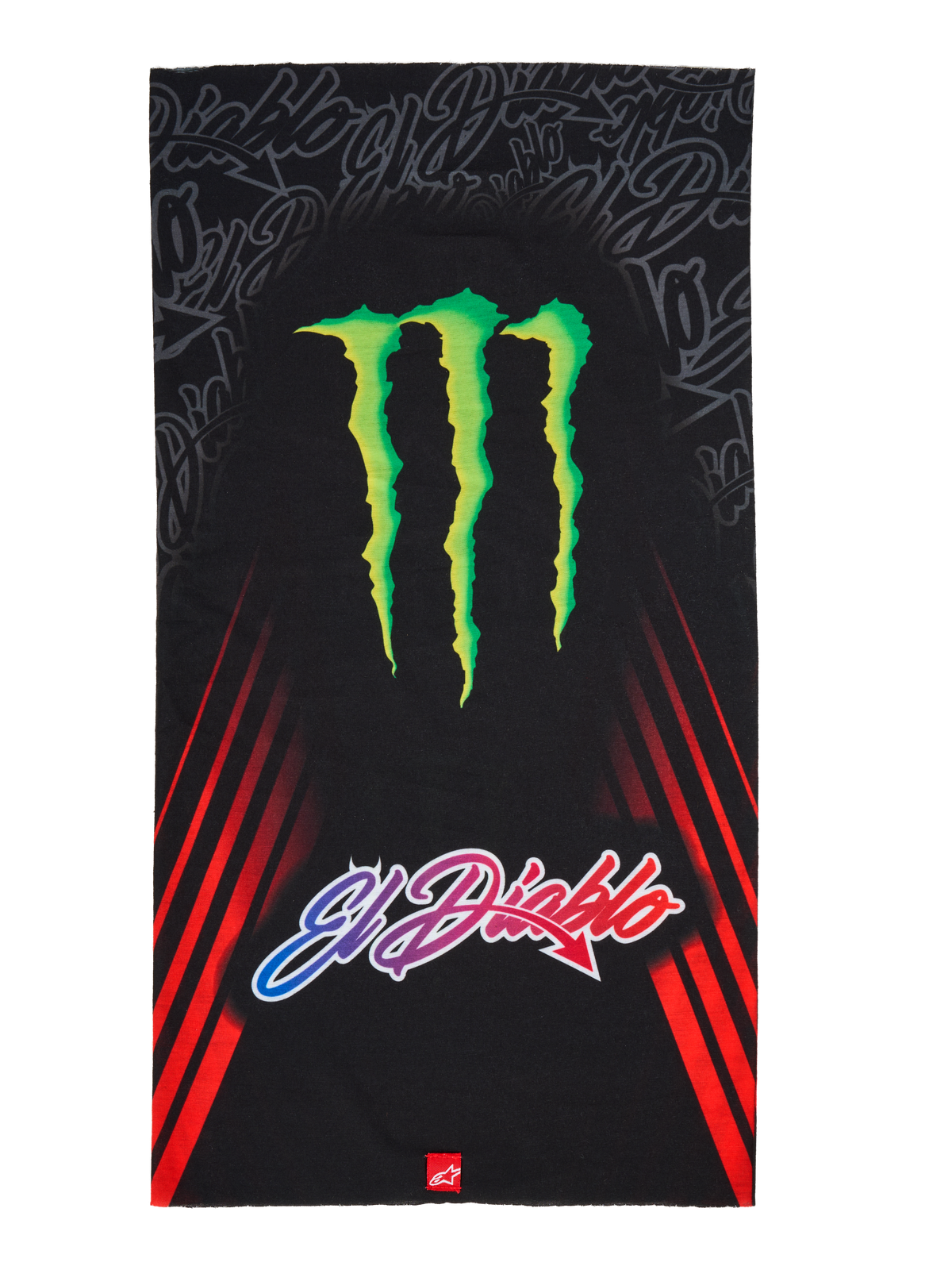
Komin FQ20 Monster -
Komin Buff Mogress -
Komin Honda -
Komin Linear -
Warstwa Techniczna Systemu Tech-Air® -
Komin Buff Nazca -
Komin










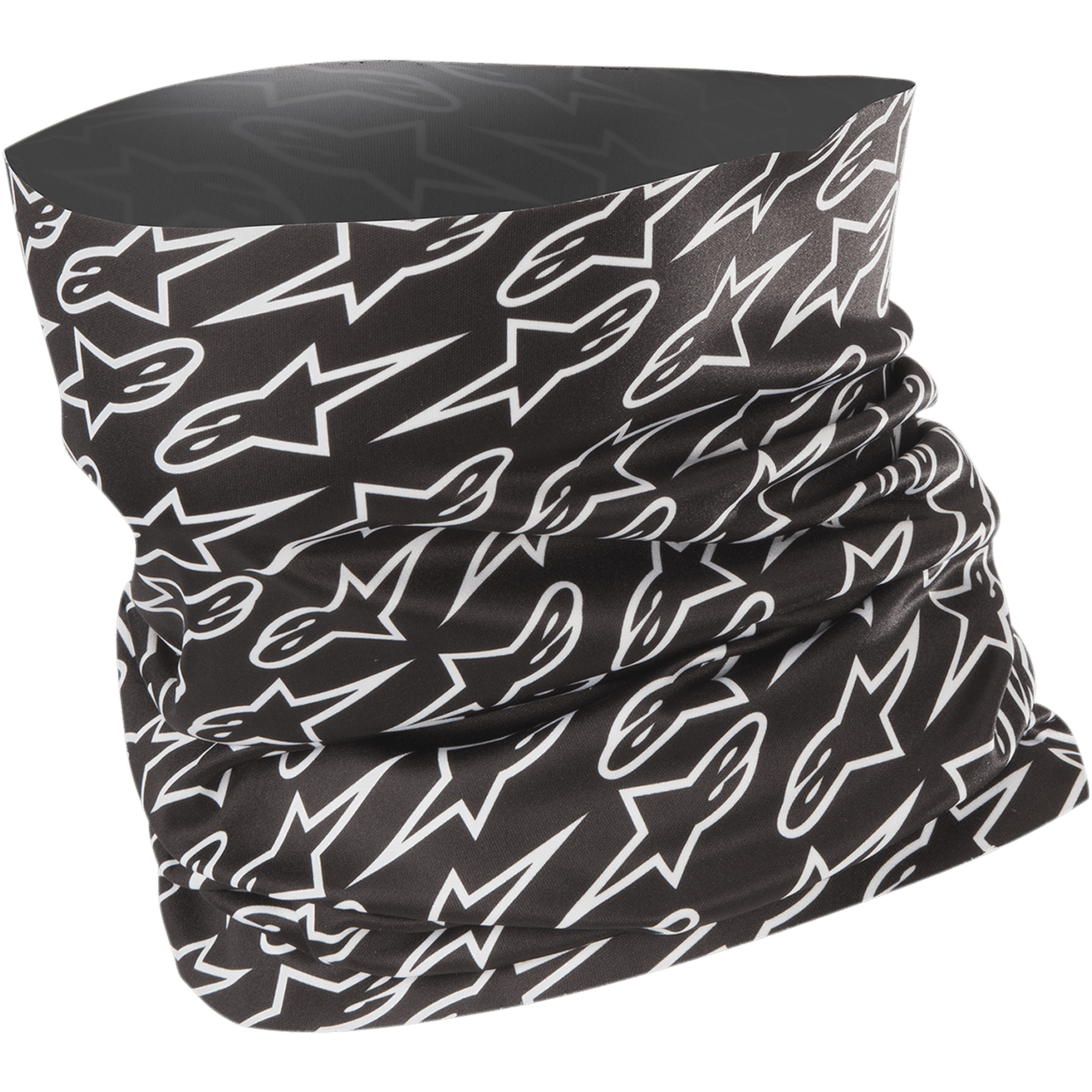


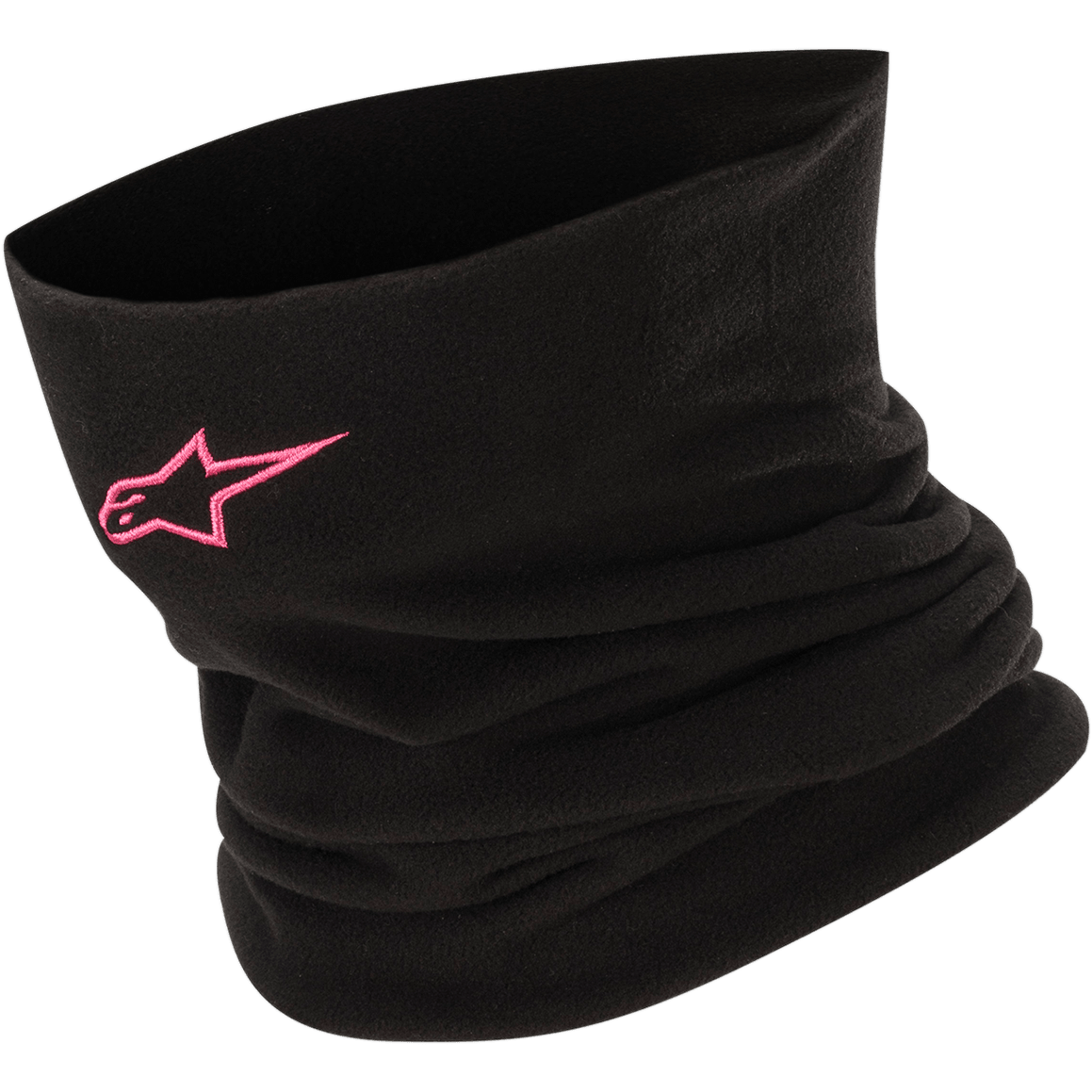

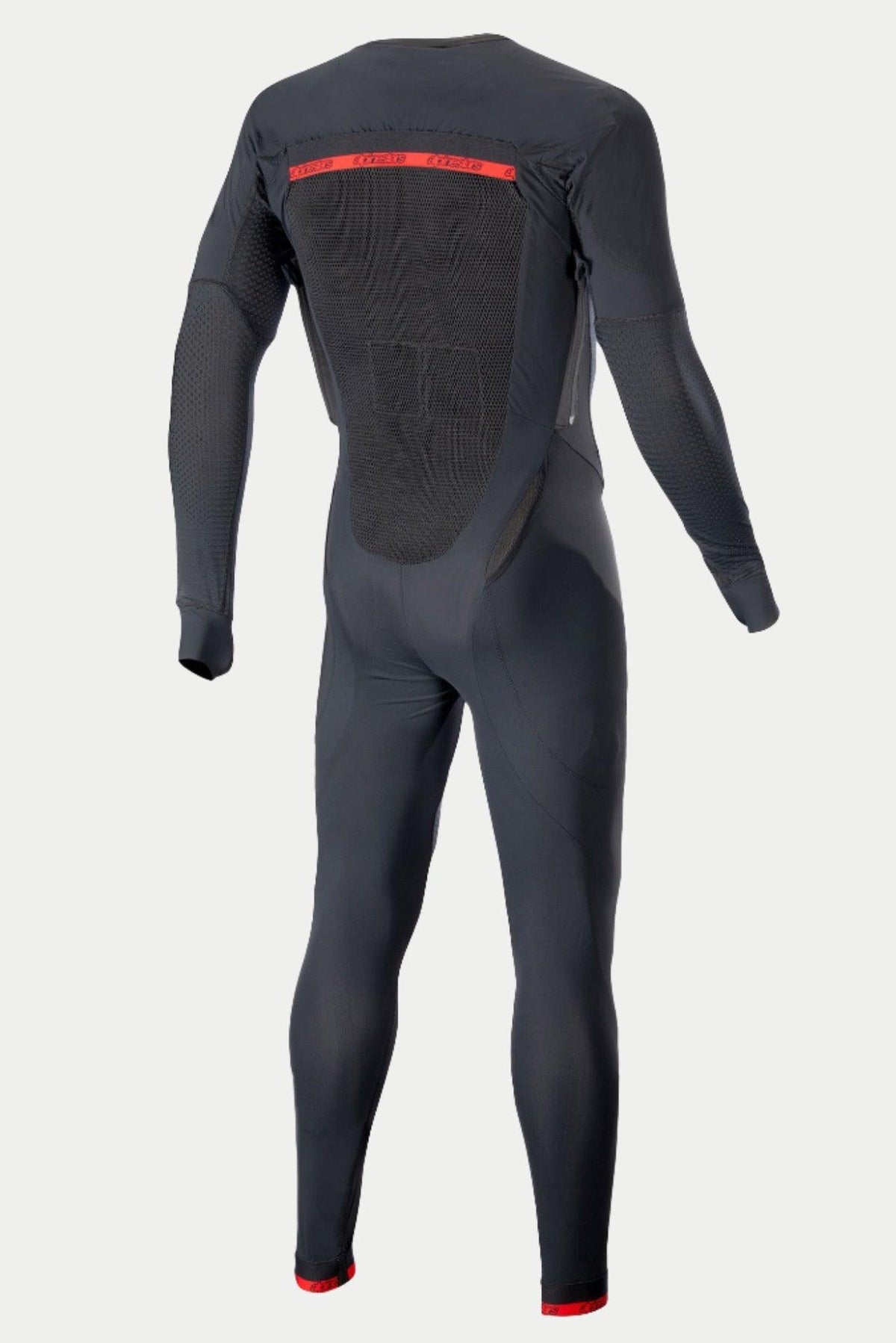


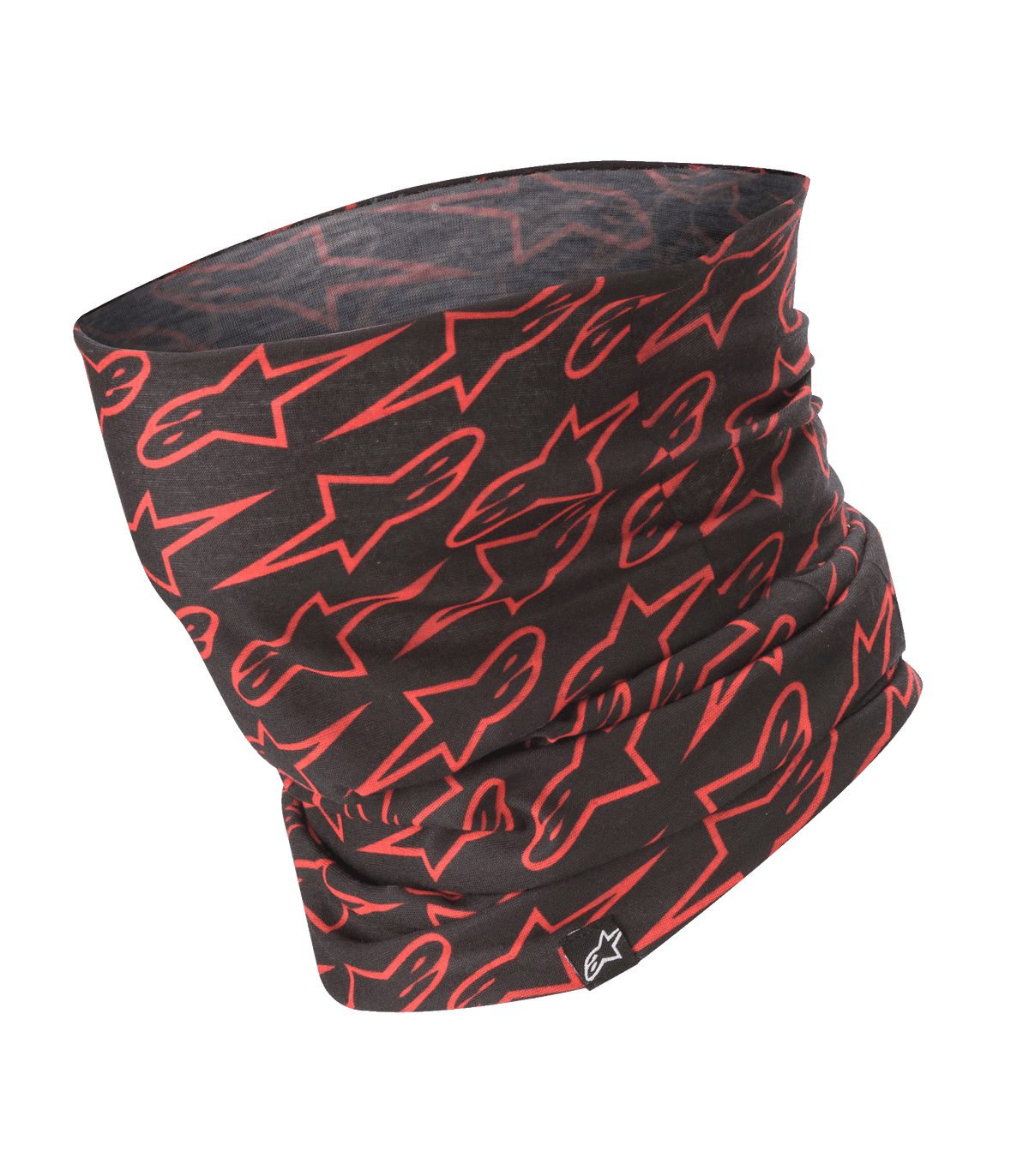





34 of 34 products
Wszystkie produkty załadowane
Często zadawane pytania Ukryj FAQ
How do Alpinestars sizes typically fit across this collection?
Alpinestars uses performance-oriented patterns, so technical apparel and gloves generally fit close to the body for reduced bulk and precise control. Use your body measurements and consult the size chart; if you plan to layer base or mid layers or wear impact protection, allow additional room.
Gloves should feel snug without numbness, boots should allow natural toe splay and ankle flexion, and jackets/pants should not restrict reach or knee bend in a riding position. If between sizes, consider your intended layering and protection setup.
Are products in this collection CE certified, and what standards should I look for?
Many protection-focused items carry CE certification according to EN standards. For garments, look for EN 17092 classifications (AAA/AA/A) indicating overall abrasion and seam performance. Impact protectors typically reference EN 1621-1 (shoulder, elbow, hip, knee) and EN 1621-2 (back); some chest protectors are certified to EN 1621-3.
Category-specific items may list EN 13594 for motorcycle gloves and EN 13634 for motorcycle boots. Always check the product description and labeling for the exact standard and level.
Which materials are used here and what riding climates are they best suited for?
Construction varies by use case. Use the guide below to match material to conditions:
| Material | Best For | Key Properties |
|---|---|---|
| Leather | Sport/track, temperate to warm | High abrasion resistance; form-fitting; limited airflow unless perforated |
| Textile / Mesh | Urban/commuting, hot weather | Lightweight; breathable panels; quick drying |
| Laminated Waterproof (2L/3L) | Touring/adventure, wet or variable | Durable weather protection; windproof; pairs with thermal layers |
Select ventilation (mesh/perf), removable thermal liners, or laminated shells based on your primary climate and speed of travel.
Is this collection compatible with armor inserts or airbag systems?
Many Alpinestars garments include pockets for CE-certified armor (shoulders, elbows, hips, knees) and are marked when they are “Tech‑Air® Compatible/Ready.” If you intend to use a Tech‑Air® system, look for explicit compatibility notes and ensure the garment allows the necessary airbag volume and stretch zones.
For non-garment items (e.g., gloves or boots), compatibility refers to meeting the appropriate EN standards and working in conjunction with your existing protection setup rather than integrating an airbag.
How should I wash and care for technical gear in this collection?
For textiles, close zips/Velcro, remove armor and any electronics, and machine wash cold on a gentle cycle with mild detergent. Avoid bleach and fabric softeners, then air dry away from high heat. Reproof the DWR on shells when water stops beading; low heat may help reactivate DWR if the care label allows.
Do not machine wash leather. Wipe clean with a damp cloth, allow to dry naturally, and condition with a suitable leather treatment. Always follow the specific care label on the garment or gear.