
Liczba wyników: 143
-
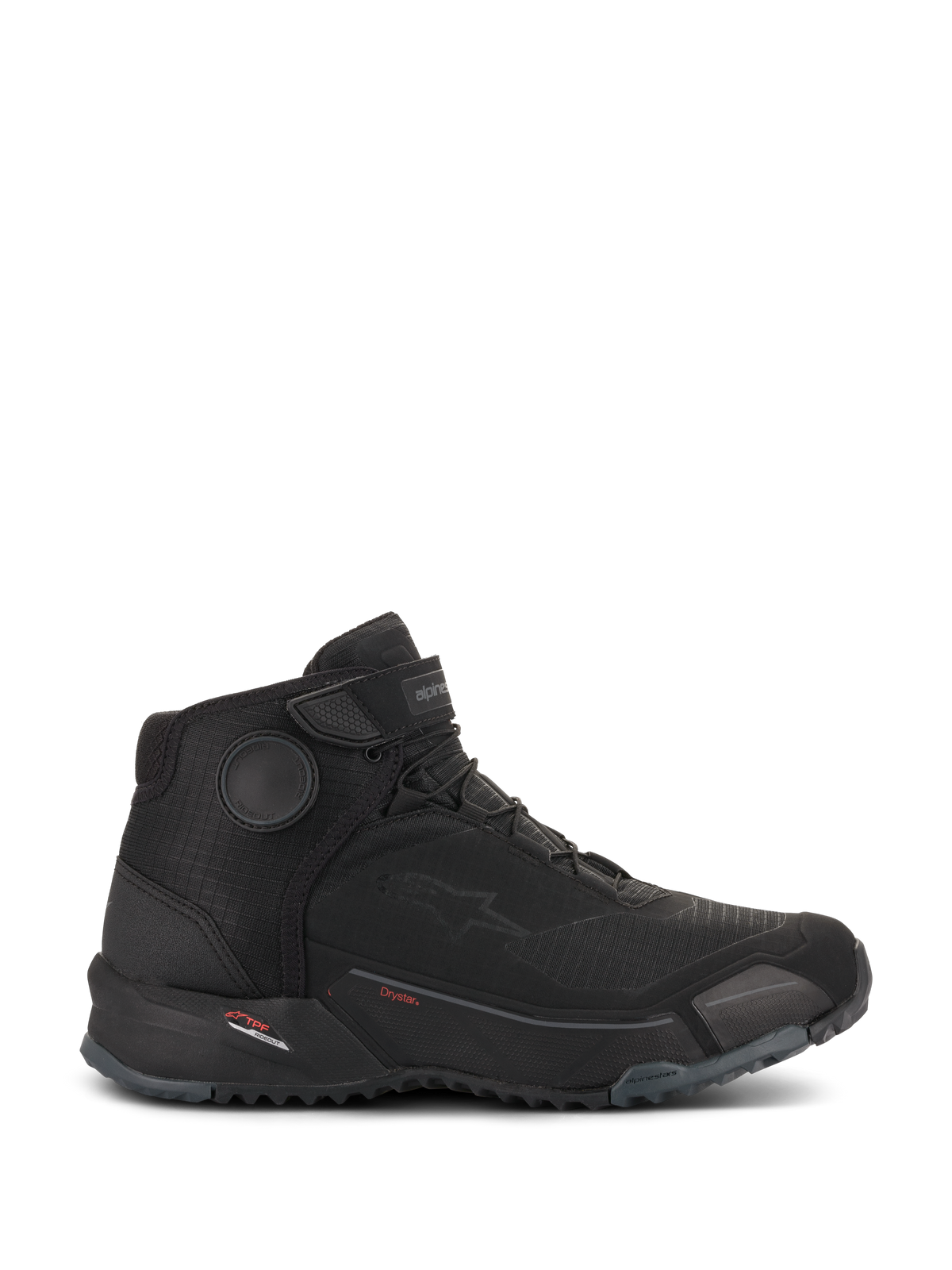
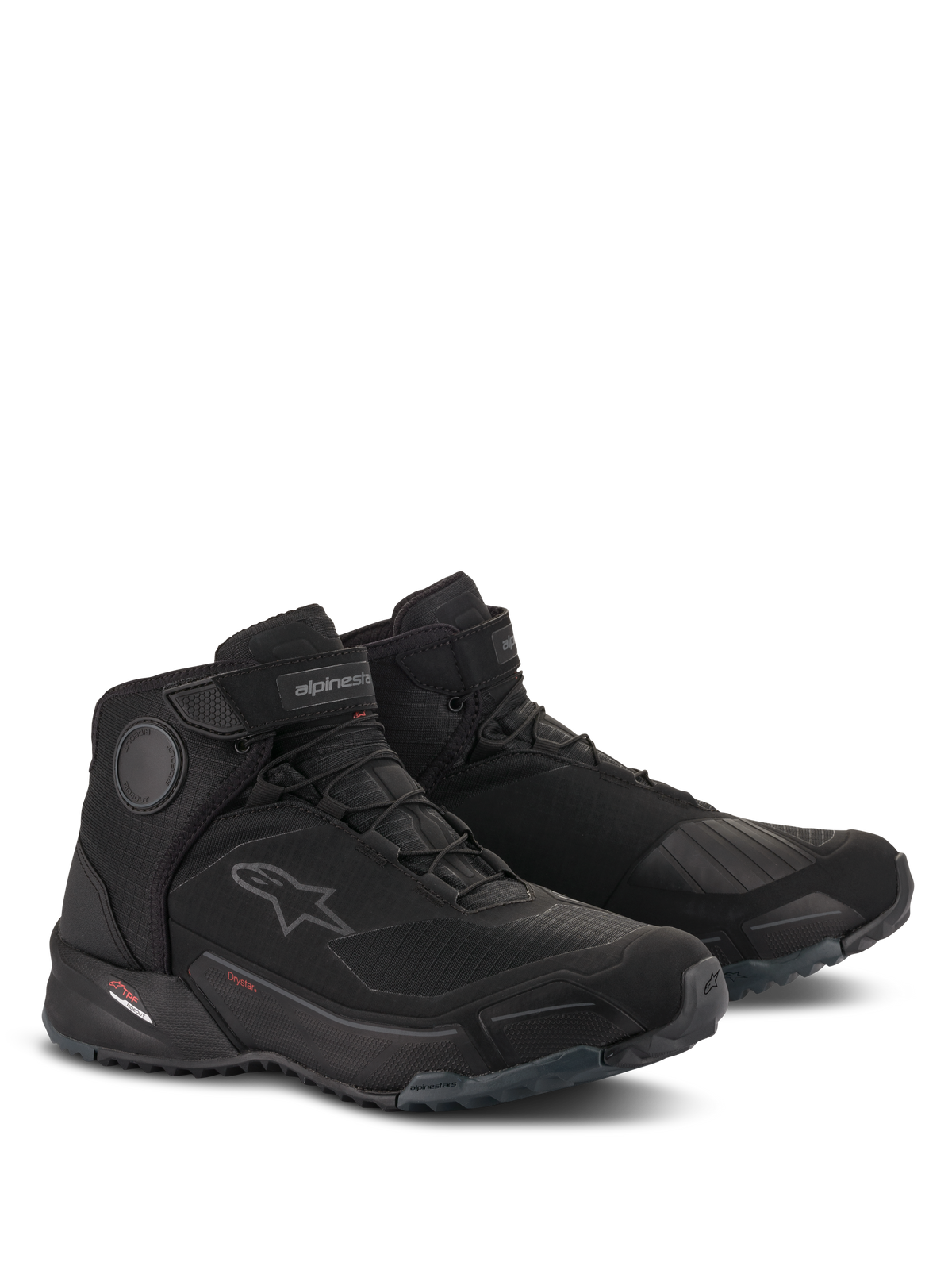
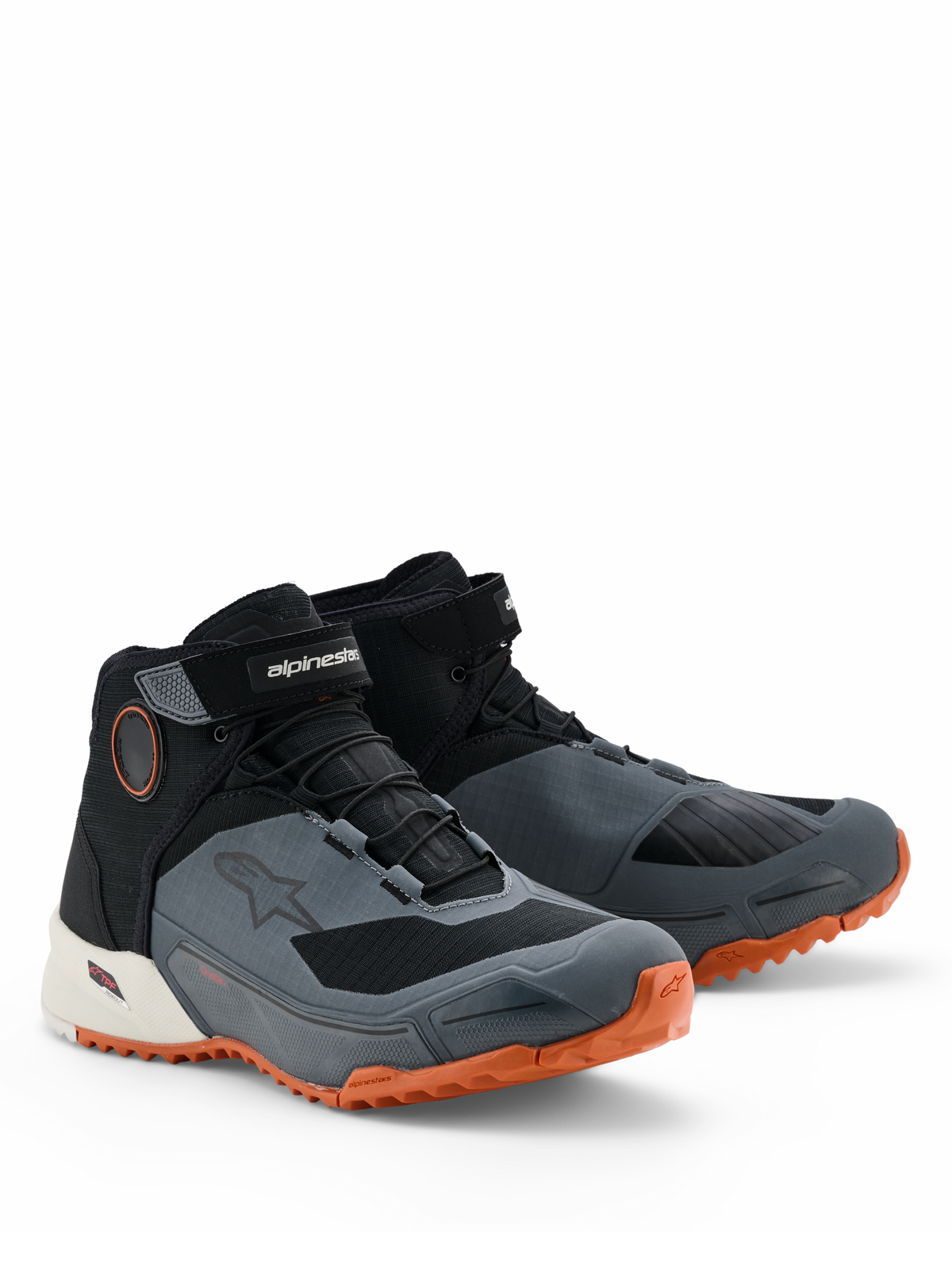
Buty CR-X GORE-TEX® -
Buty CR-X GORE-TEX® -
Buty Ride-63 Skórzane -
Buty Celer Superair -
Buty Stella Stated Flair -
Buty Stated Flair -
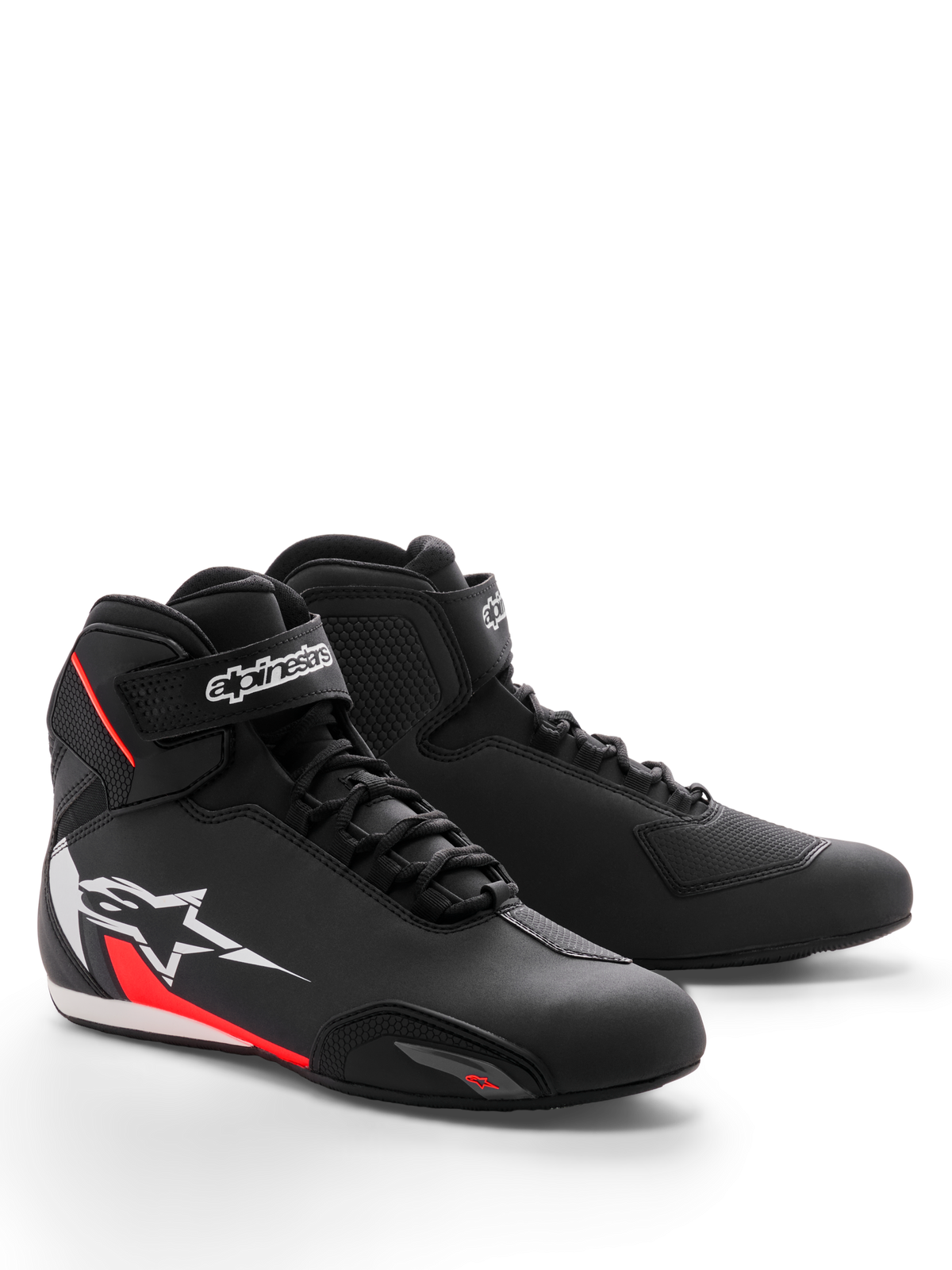
Buty Celer -
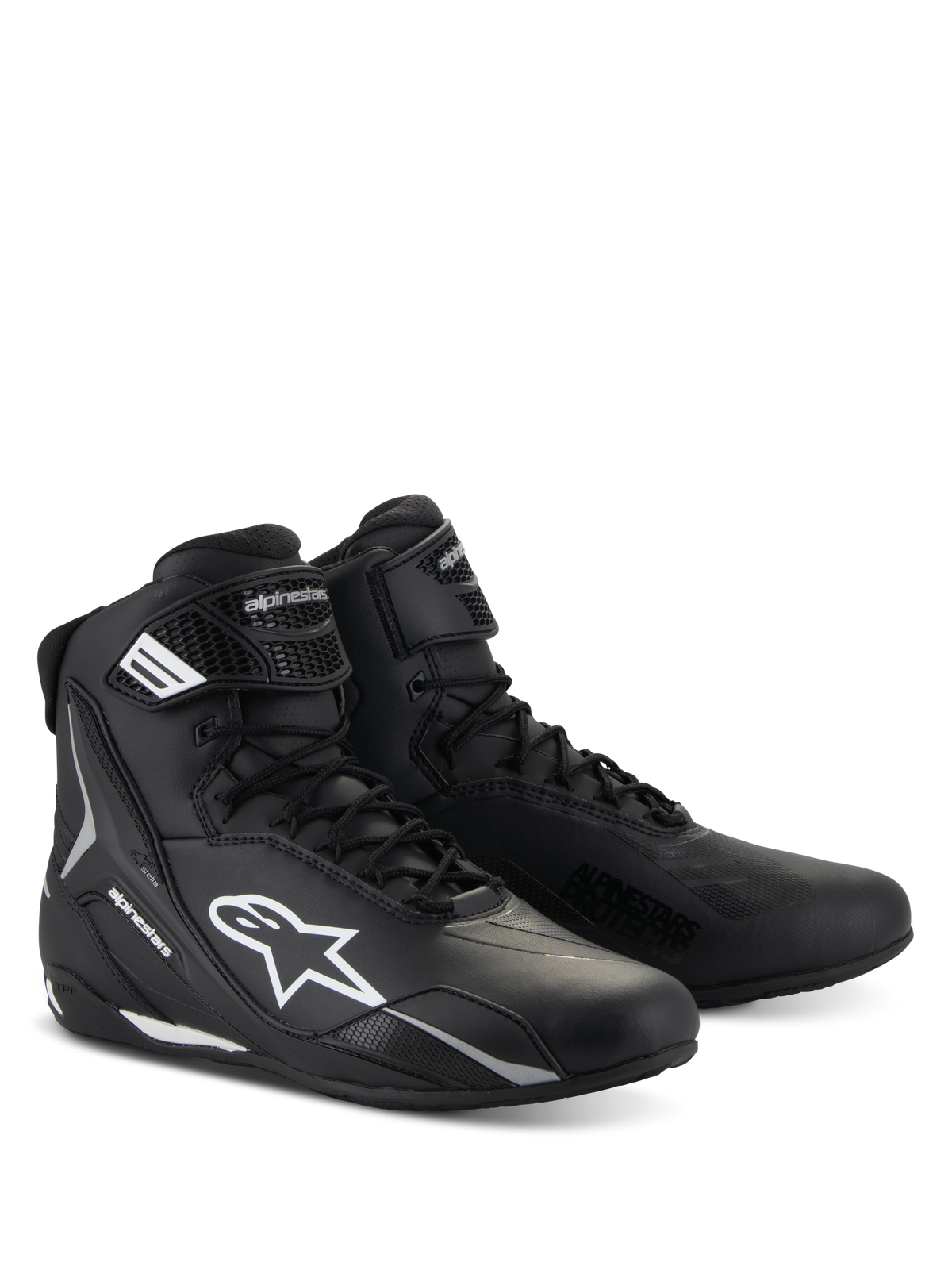
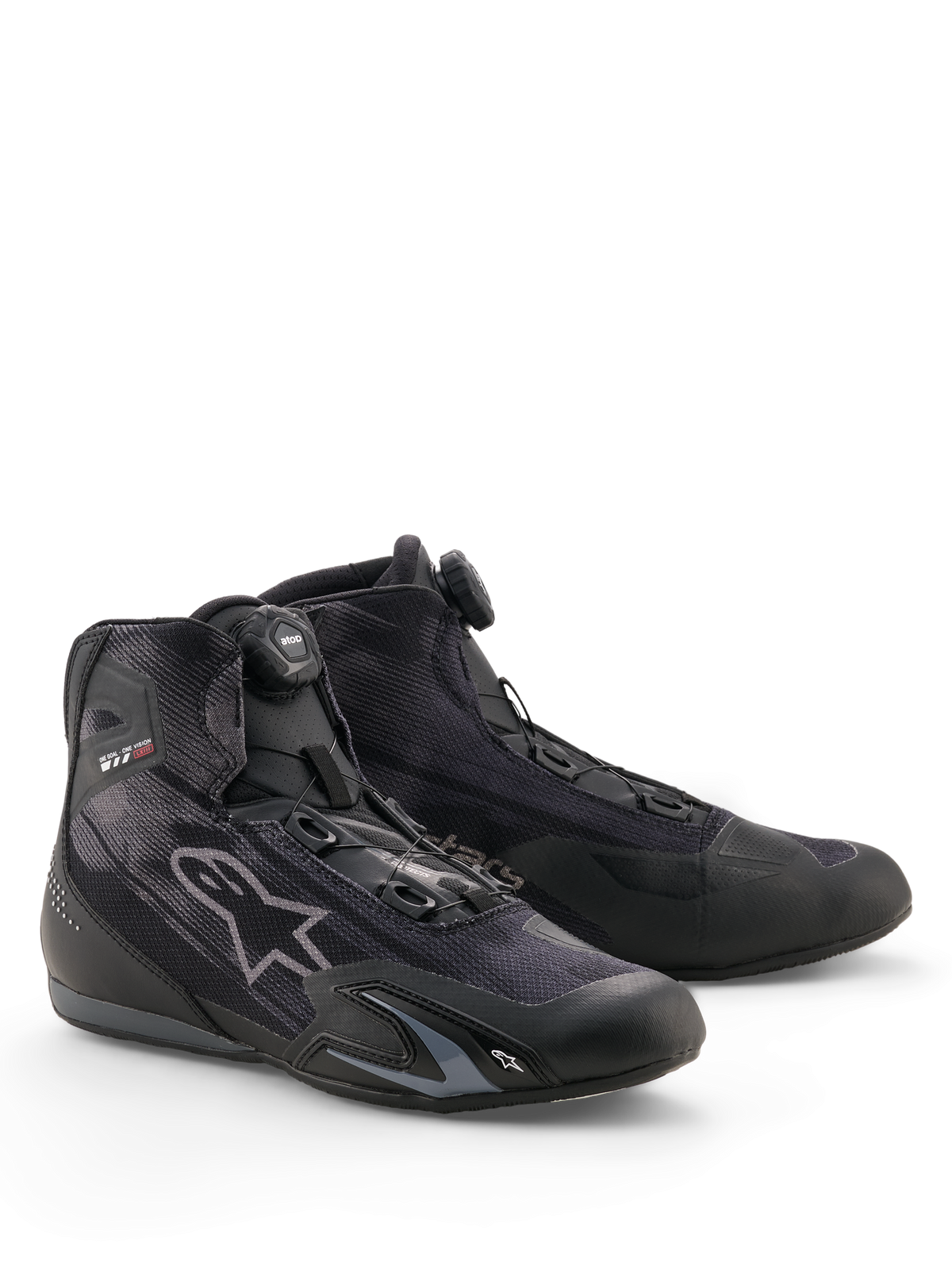
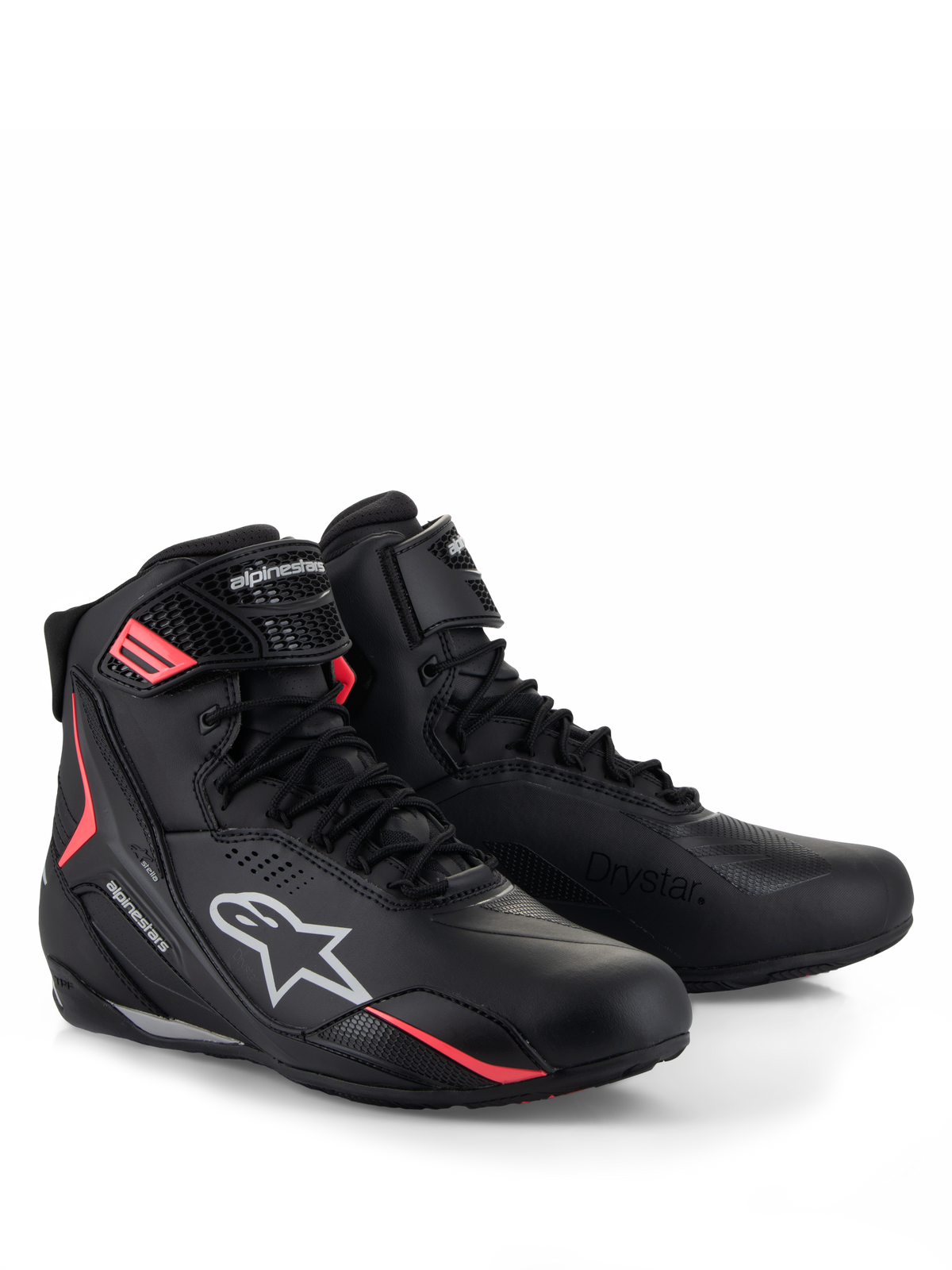
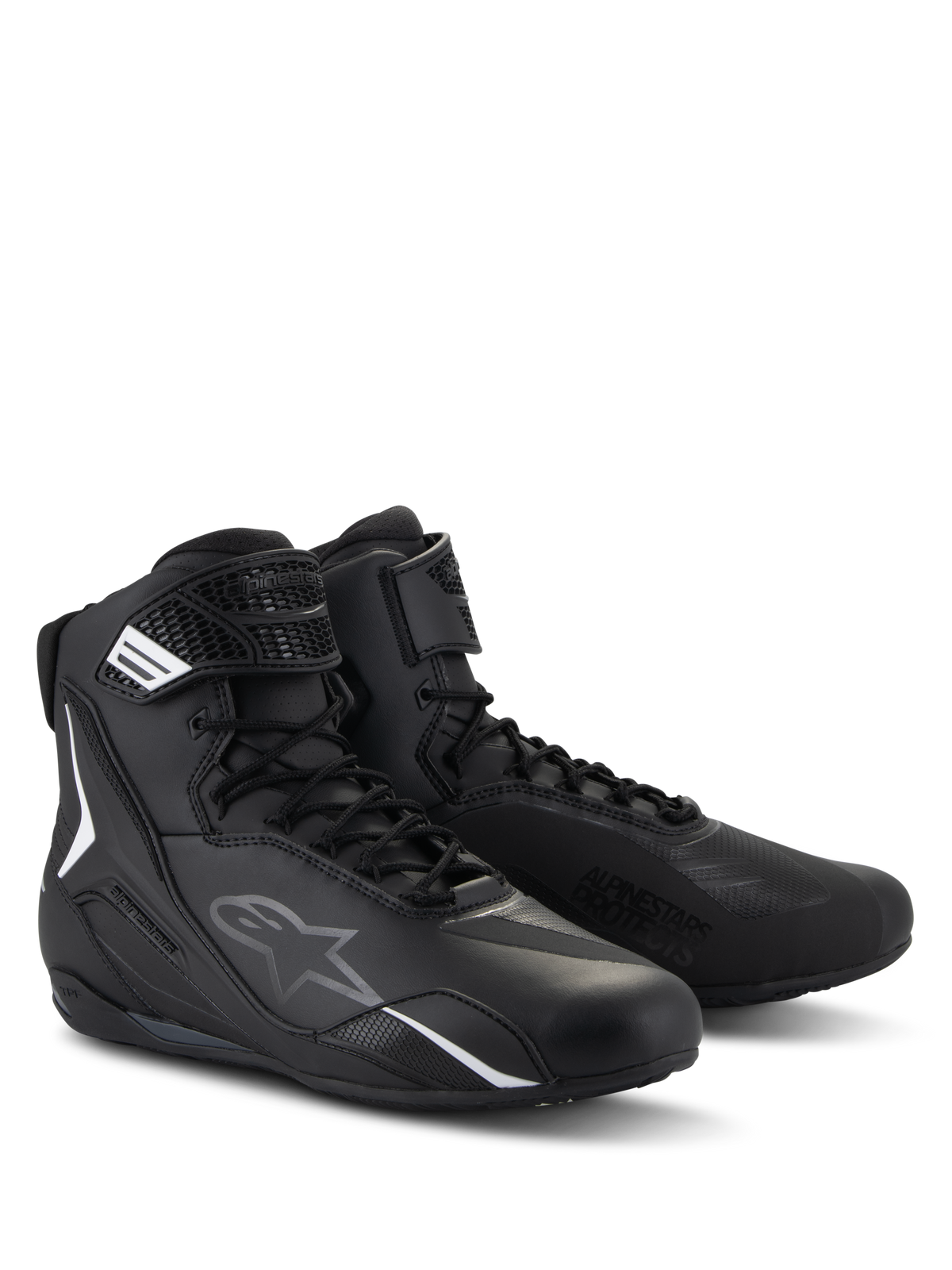
Buty Faster-4 -
Buty Stella Faster-4 -
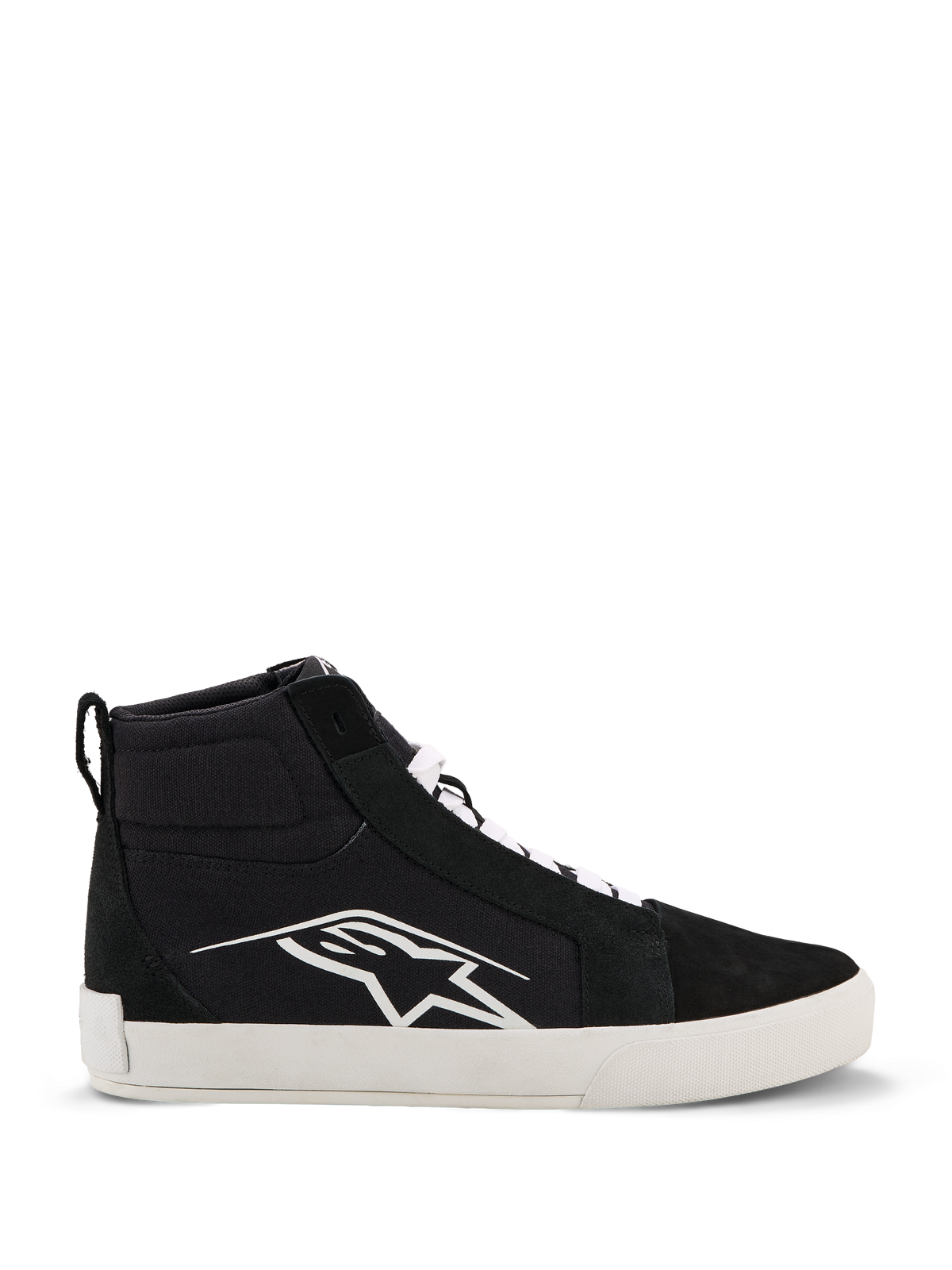
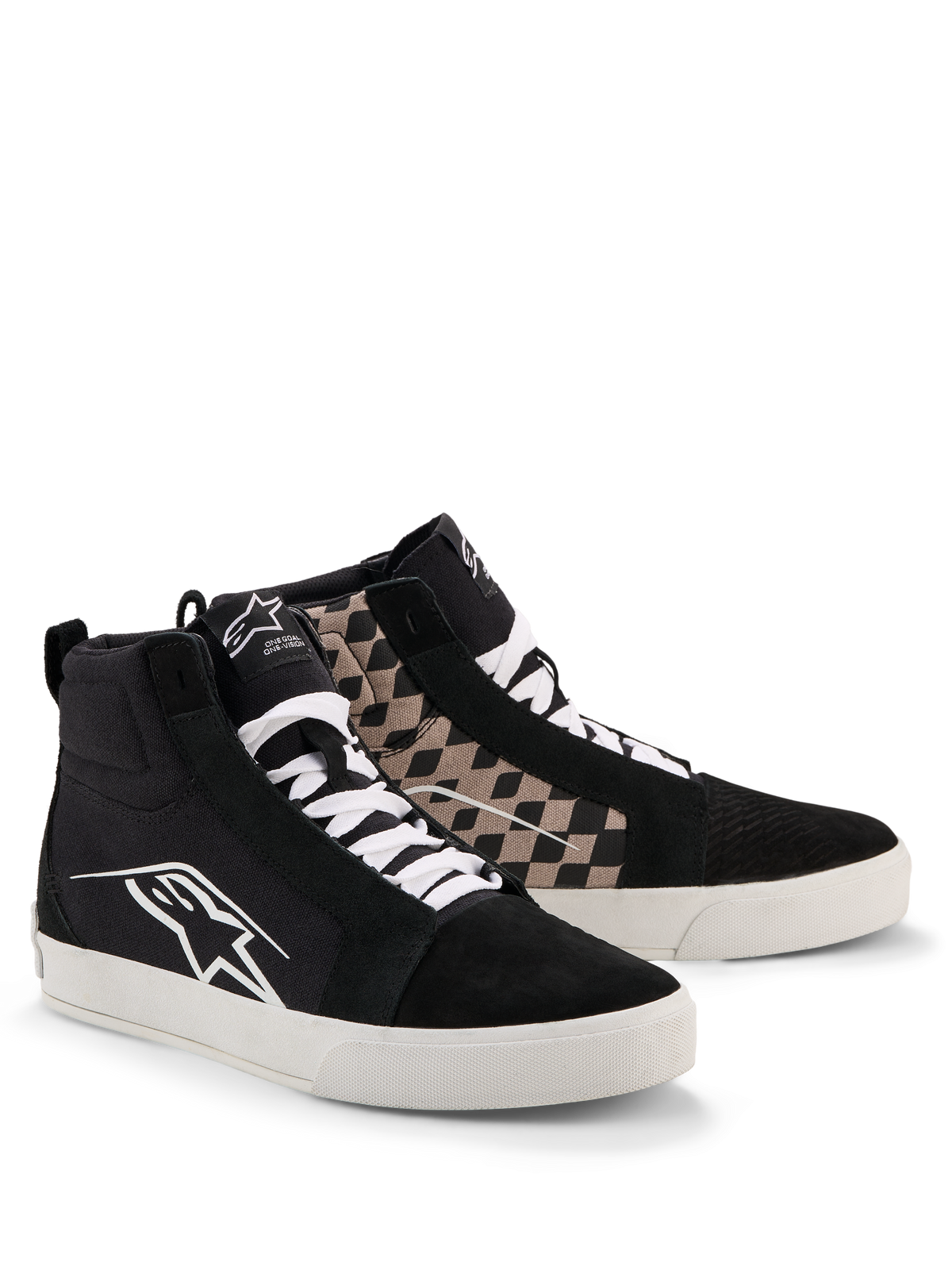
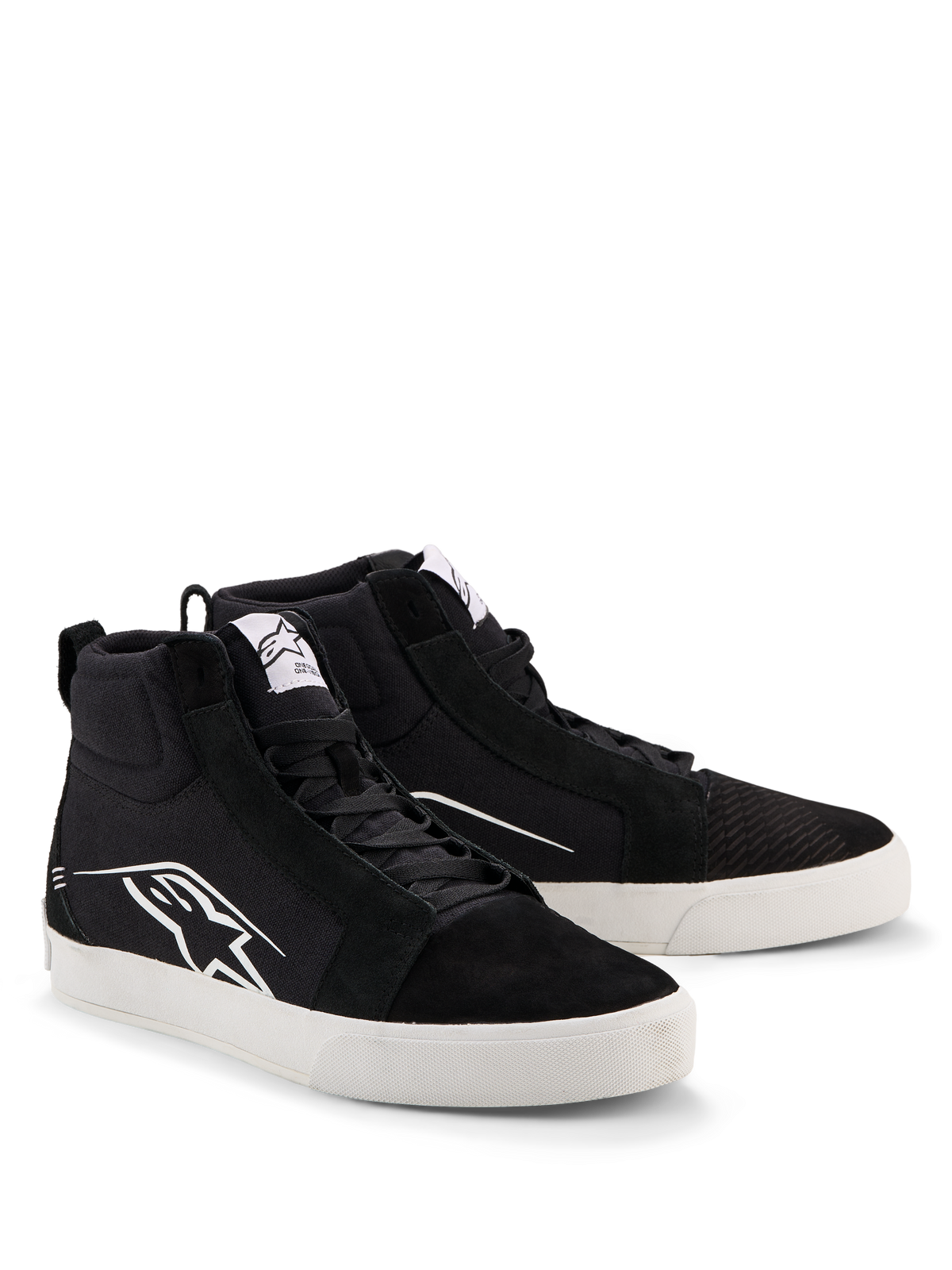
Buty Ride-63 Canvas -
Buty Sektor -
Buty Celer Superair -
Buty Moto CR-X Drystar® -
Buty Speedflight -
Buty Stated Flair -
Buty Stella Stated Flair -
Buty Stella Faster-4 Drystar® -
Buty Ride-63 Skórzane -
Buty Ride-63 Canvas -
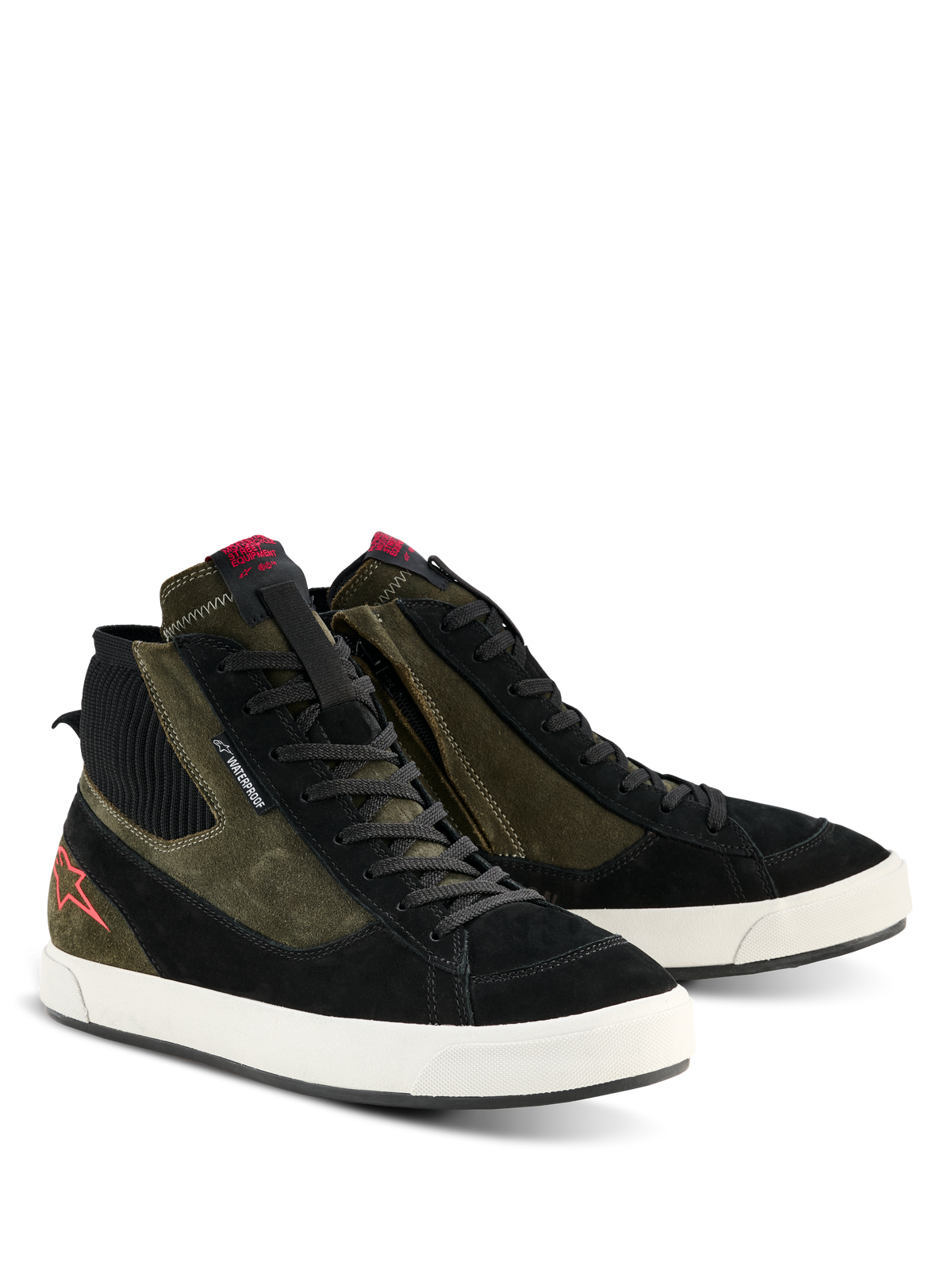
Buty Stated Wodoodporne -
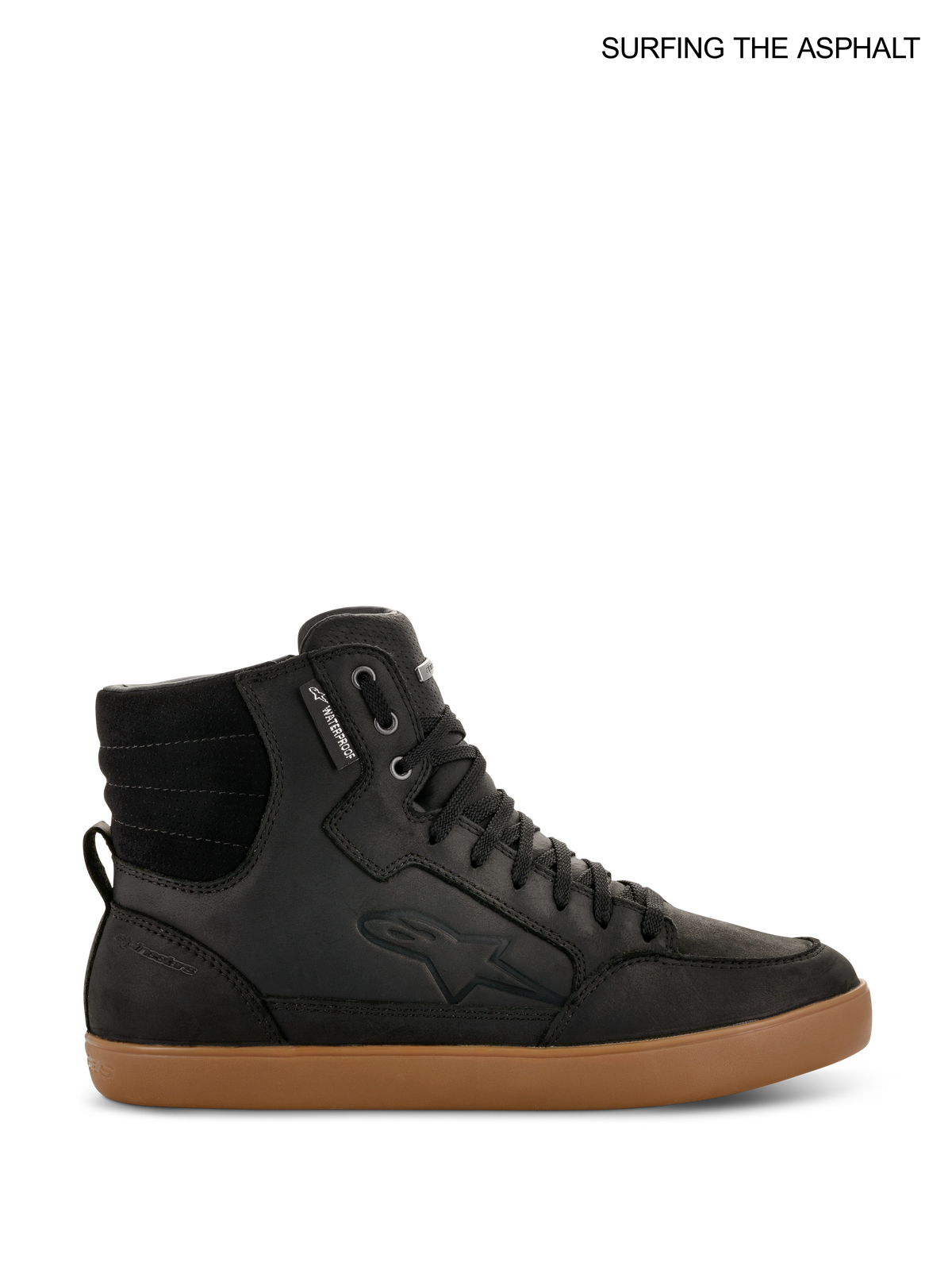
Buty J-6 Wodoodporne -
Buty Stated Wodoodporne -
Buty Stella Sektor -
FQ20 Ride-63 Canvas Buty -
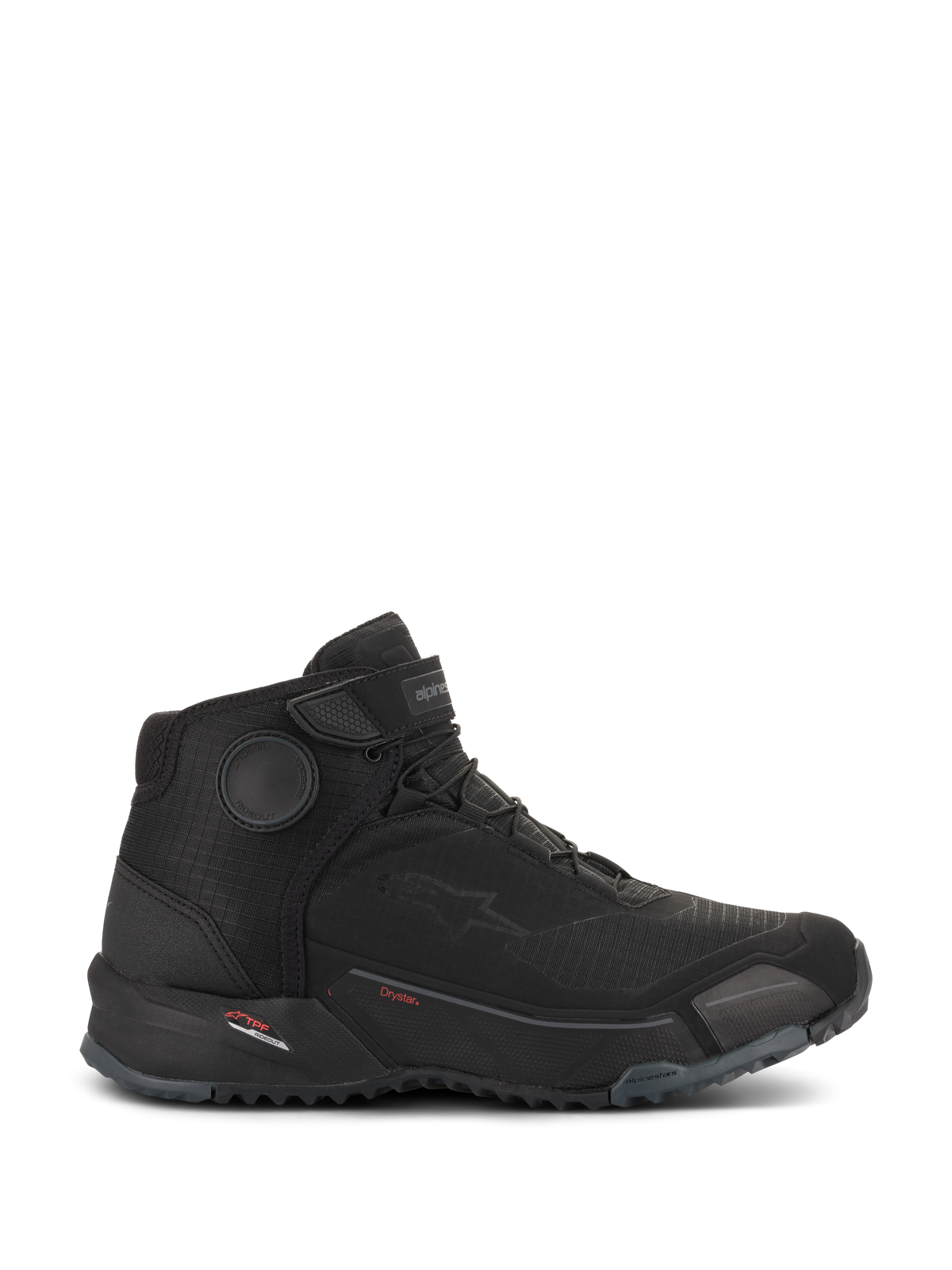
Buty Moto CR-X Drystar® -
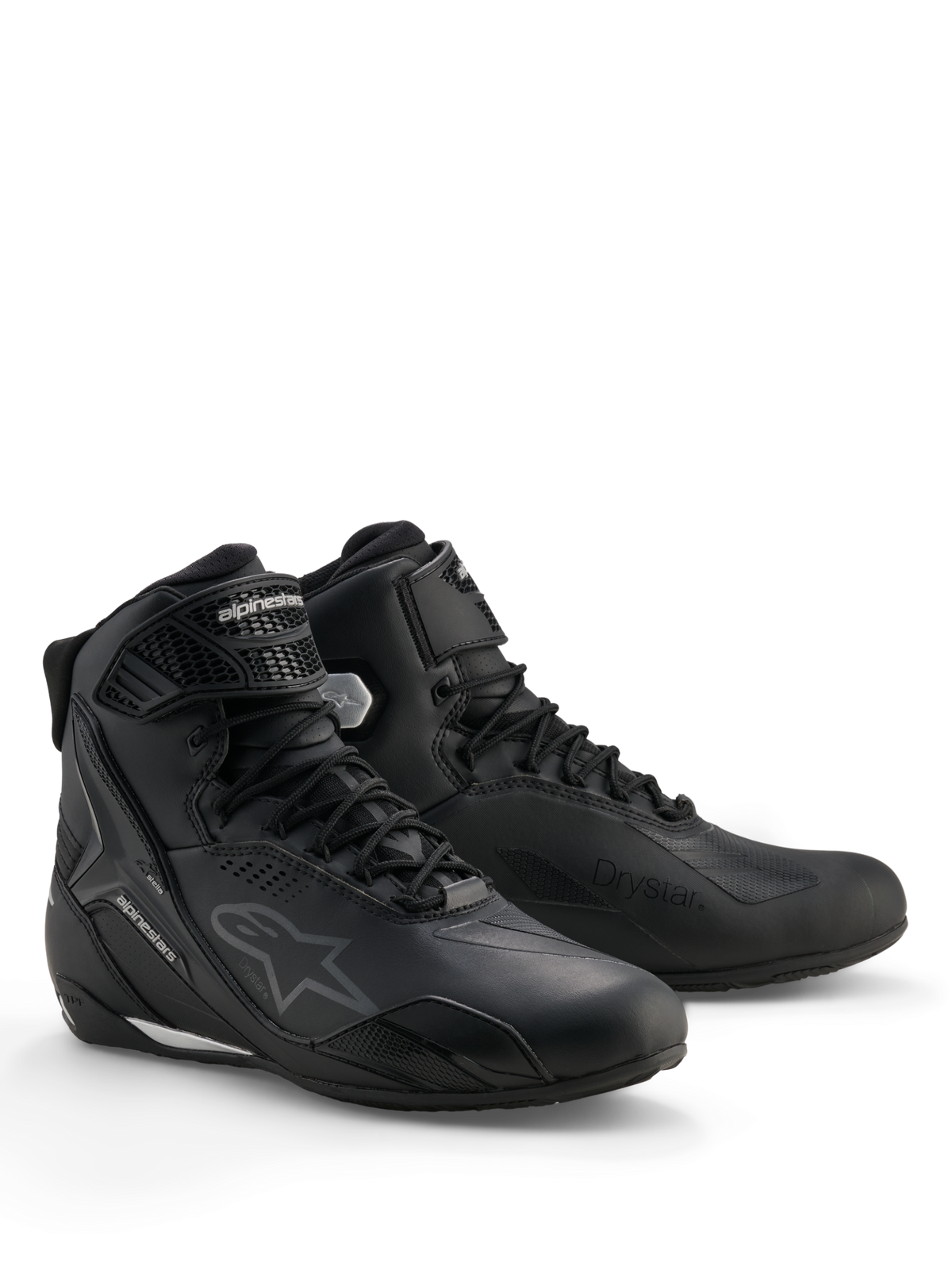
Buty Faster-4 Drystar® -
Buty Ride-63 Skórzane -
Buty Ride-63 Skórzane -
Buty Ride-63 Skórzane -
Buty Ride-63 Canvas -
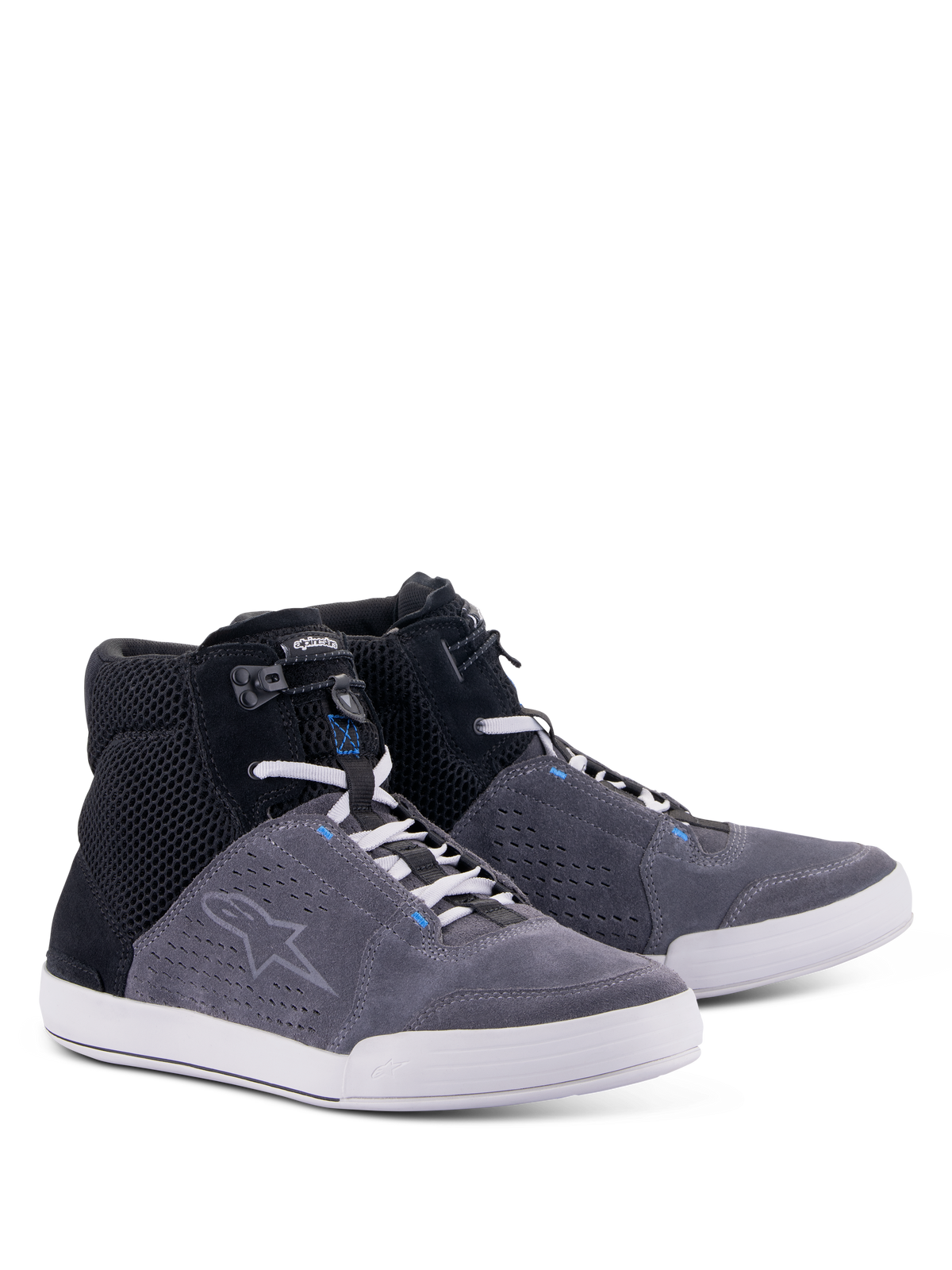
Buty Chrome Air -
Buty Faster-4 -
Buty Stella Faster-4 Drystar® -
Buty Moto CR-X Drystar® -
Buty Faster-4 -
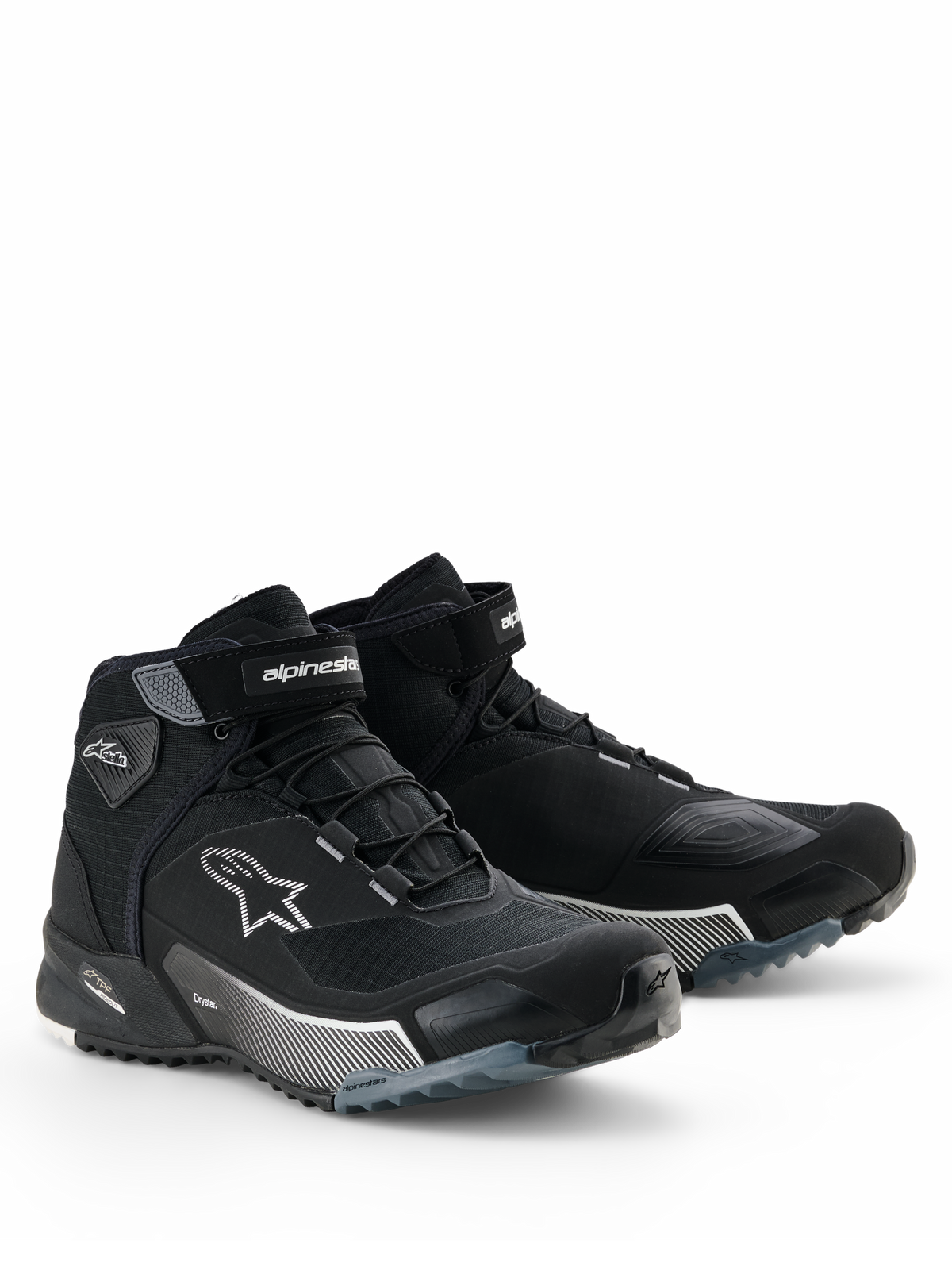
Buty Motocyklowe CR-X Drystar®





































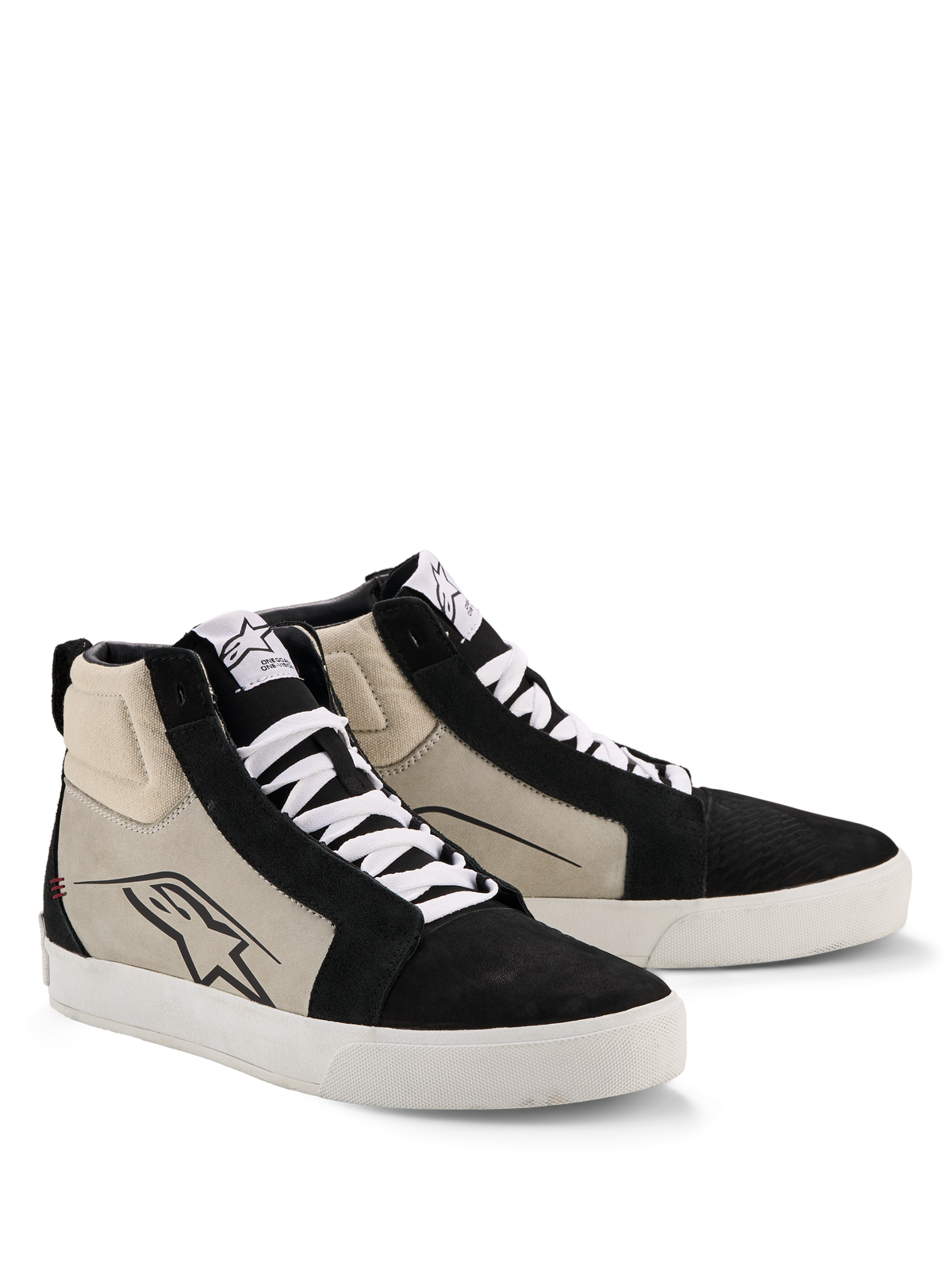

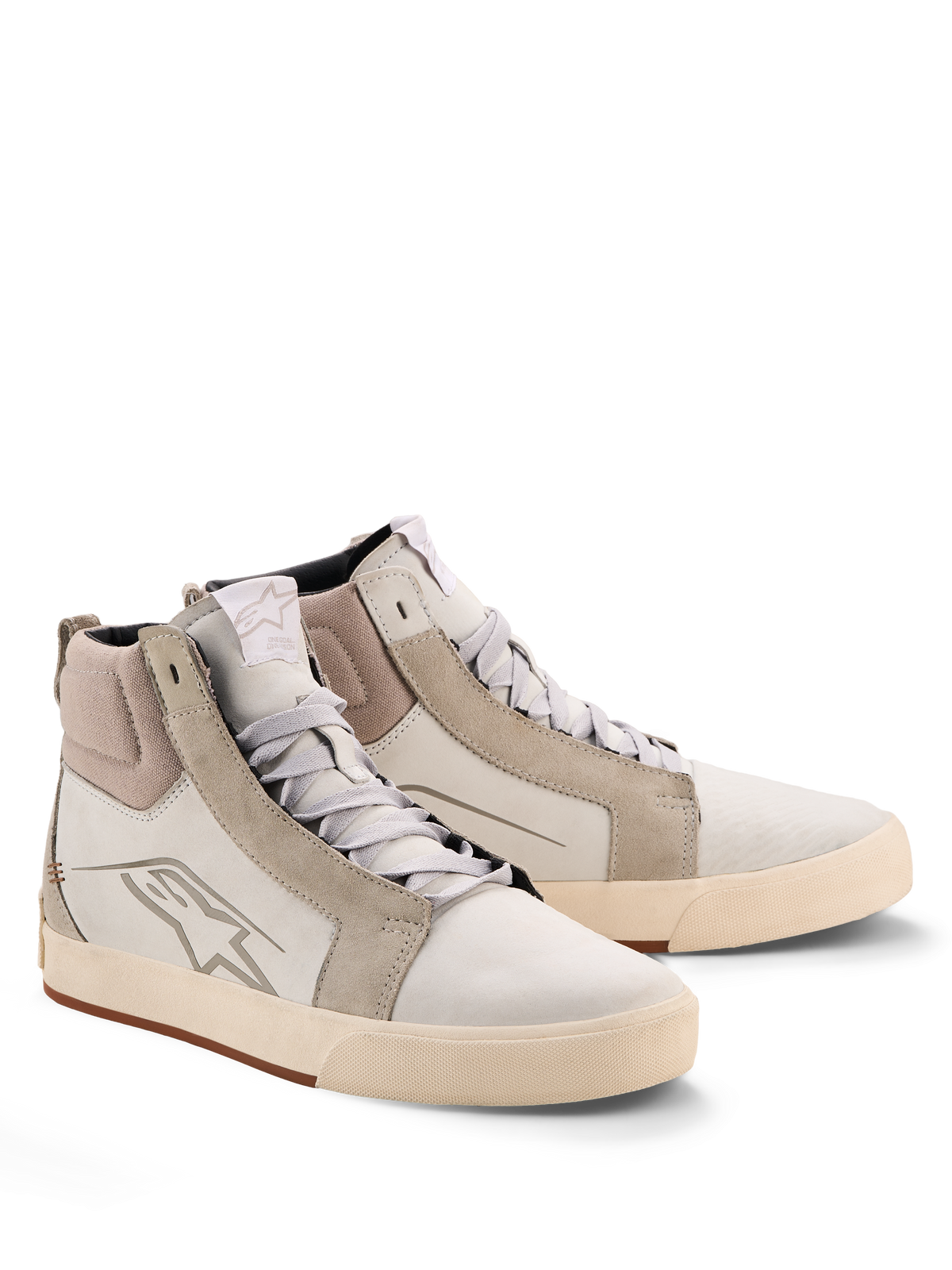

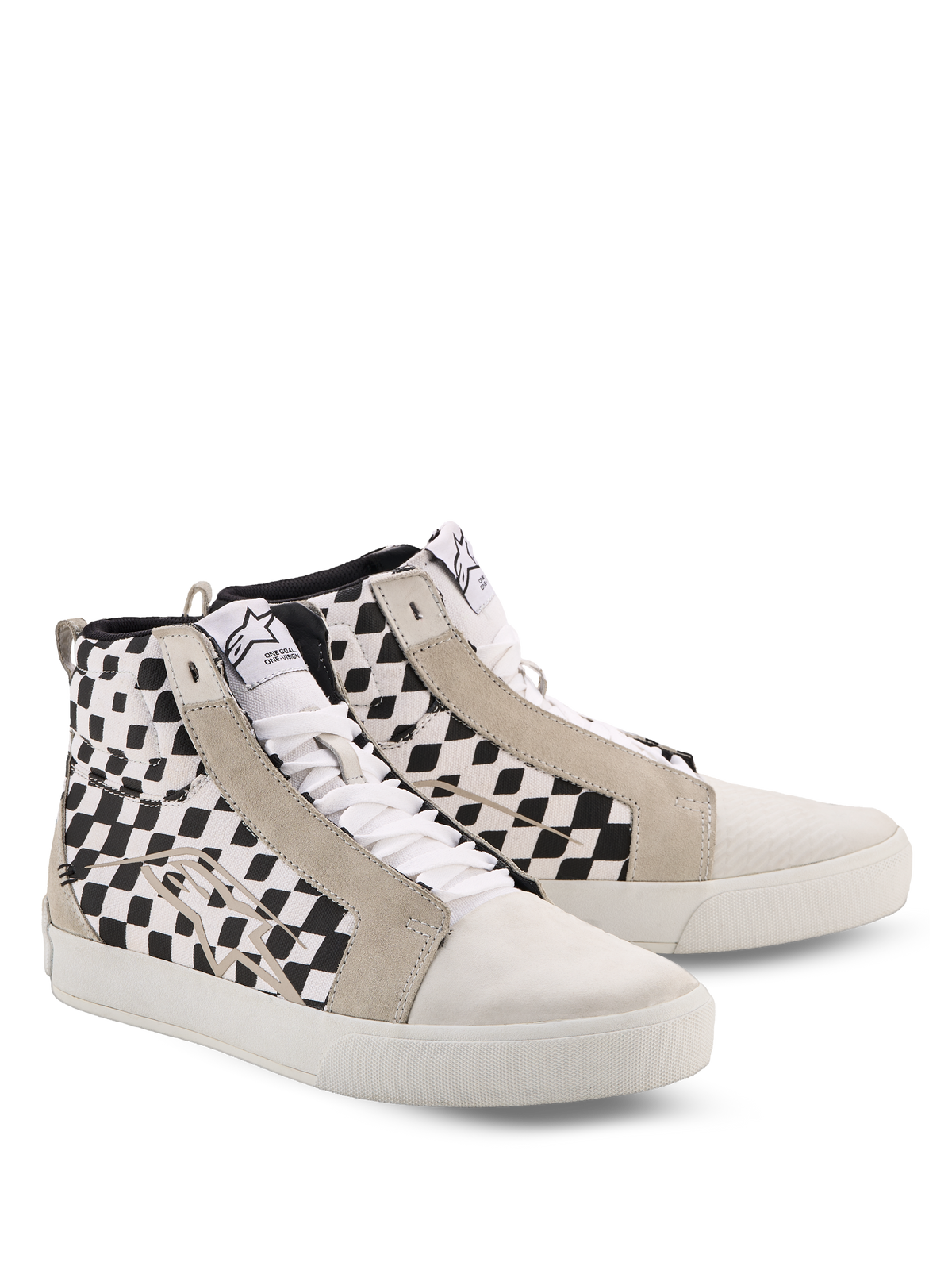
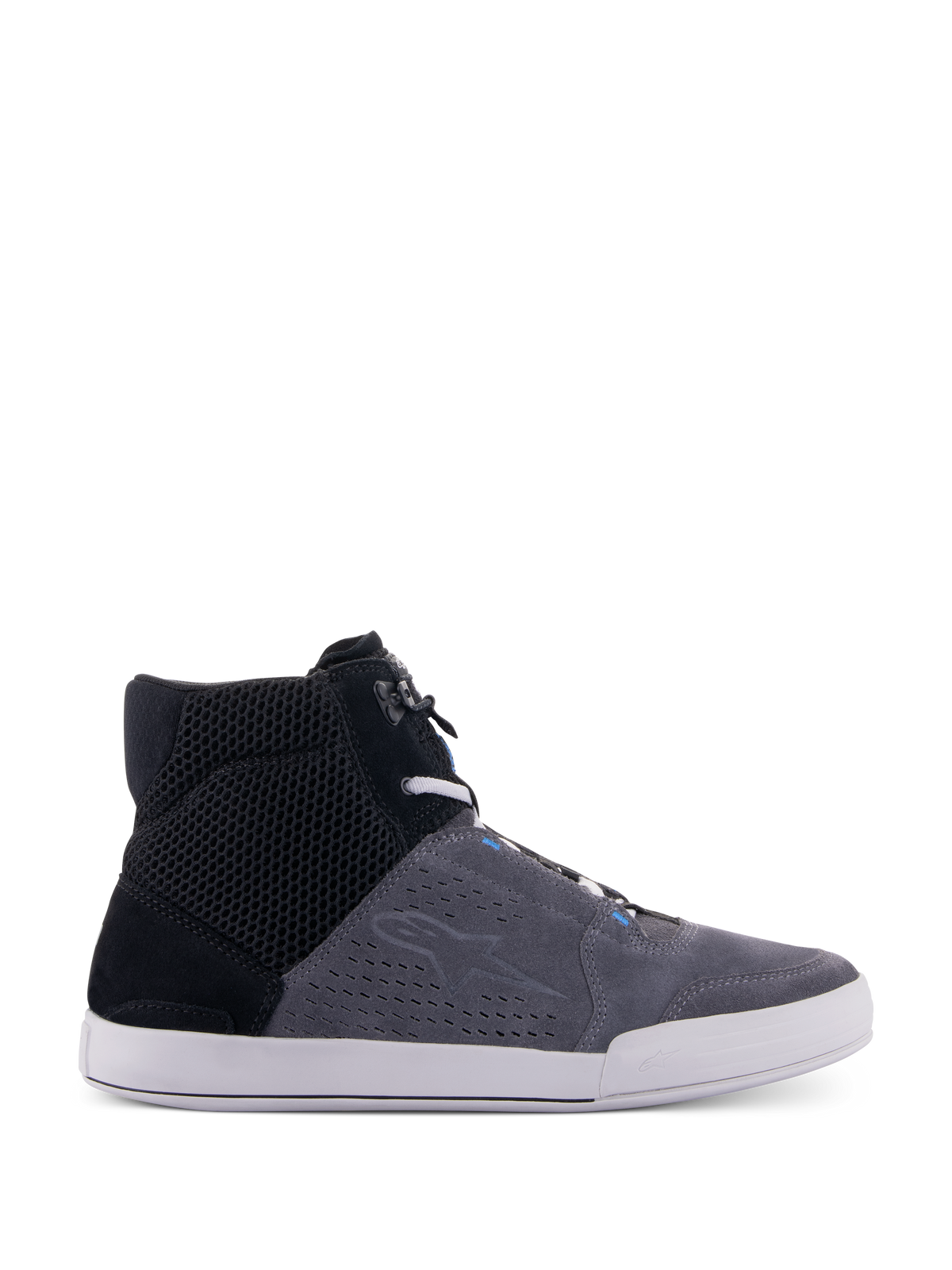








Często zadawane pytania Ukryj FAQ
Czy buty motocyklowe są bezpieczne i czy mają certyfikat CE?
Buty motocyklowe są projektowane z myślą o ochronie podczas jazdy i wykorzystują rozwiązania takie jak wzmocnione noski i zapiętki, dyski przy kostkach, usztywnioną podeszwę środkową oraz podeszwy zewnętrzne odporne na olej i paliwo. Wiele modeli ma certyfikat CE zgodny z normą EN 13634 dla obuwia motocyklowego, która ocenia odporność na ścieranie, przecięcie, sztywność poprzeczną oraz opcjonalnie ochronę przed uderzeniami w okolicy kostek. Dokładną certyfikację i poziom ochrony sprawdzisz na stronie konkretnego produktu.
Buty motocyklowe stawiają na codzienną mobilność, a jednocześnie zapewniają znacznie wyższy poziom ochrony niż zwykłe sneakersy. Jeśli zależy Ci na maksymalnym zakresie osłony, w tym ochronie goleni, rozważ pełnowysokie buty motocyklowe dostępne w naszej kolekcji butów drogowych.
Jaka jest różnica między butami motocyklowymi, butami motocyklowymi z wysoką cholewką a zwykłymi sneakersami?
| Typ obuwia | Główne zastosowanie i zakres osłony | Komfort chodzenia | Typowa certyfikacja |
|---|---|---|---|
| Buty motocyklowe | Jazda miejska i drogowa; średnia wysokość z ochroną kostki i wzmocnioną strefą zmiany biegów. | Wysoki — elastyczniejsze podeszwy i lżejsza konstrukcja do codziennego użytkowania. | Często CE EN 13634 (Level 1/2, zależnie od modelu). |
| Buty motocyklowe z wysoką cholewką | Jazda sportowa i touring; wyższa cholewka zapewnia osłonę goleni i większą sztywność. | Umiarkowany — sztywniejsze dla lepszej ochrony; najlepsze na dłuższe trasy lub tor. | Zwykle CE EN 13634, często z wyższymi poziomami ochrony. |
| Zwykłe sneakersy | Wyłącznie codzienne użytkowanie poza motocyklem; bez specjalistycznych wzmocnień. | Bardzo wysoki — ale nie są projektowane do ochrony podczas jazdy. | Zazwyczaj bez certyfikatu CE do zastosowań motocyklowych. |
Na track daye organizatorzy zwykle wymagają pełnowysokich butów, dlatego warto sprawdzić regulamin wydarzenia i zapoznać się z drogowymi butami motocyklowymi. Do jazdy miejskiej zobacz miejskie buty motocyklowe, a do jazdy sportowo-ulicznej i touringowej sprawdź buty motocyklowe do jazdy drogowej oraz buty motocyklowe touringowe.
Czy buty motocyklowe są wygodne do chodzenia i codziennych dojazdów?
Tak. Buty motocyklowe łączą ochronę podczas jazdy z komfortem poza motocyklem dzięki lżejszym cholewkom, amortyzującym, a jednocześnie odpornym na skręcanie podeszwom środkowym oraz przyczepnym podeszwom zewnętrznym, które sprawdzają się zarówno na podnóżkach, jak i na nawierzchni. Wiele modeli wykorzystuje oddychające panele mesh na ciepłe dni albo wodoodporne membrany na mokre dojazdy, co ułatwia dopasowanie komfortu do klimatu i przebiegów.
W porównaniu z pełnowysokimi butami, buty motocyklowe zwykle zapewniają bardziej naturalne odczucie podczas codziennego chodzenia, a jednocześnie oferują wzmocnione strefy i wsparcie kostki zaprojektowane specjalnie do jazdy motocyklem.
Jak powinny leżeć buty motocyklowe i jak dobrać właściwy rozmiar?
Dopasowanie nastawione na osiągi powinno być stabilne w pięcie i śródstopiu, aby ograniczyć unoszenie stopy na podnóżkach, a jednocześnie zapewniać odpowiednią przestrzeń na palce, bez ucisku podczas hamowania i zmiany biegów. Zmierz długość stopy i porównaj wynik z tabelą rozmiarów, uwzględniając typową grubość skarpet. Jeśli wahasz się między dwoma rozmiarami, wybierz ten, który daje pewne trzymanie bez punktów ucisku, i sprawdź zakres ruchu potrzebny do zmiany biegów oraz obsługi tylnego hamulca.
But powinien naturalnie zginać się w przedniej części stopy, stabilizować kostkę i pozwalać dobrze wyczuwać elementy sterujące bez nadmiernego ucisku. Jeśli potrzebujesz korekty objętości lub lepszego wsparcia łuku stopy, możesz wymienić wkładki.
Jak czyścić i pielęgnować buty motocyklowe?
Wyjmij sznurówki i wkładki, usuń zabrudzenia szczotką, a następnie przetrzyj buty wilgotną ściereczką z łagodnym mydłem. Susz je na powietrzu, z dala od bezpośrednich źródeł ciepła; nie pierz ich w pralce i nie susz w suszarce bębnowej. W przypadku skóry używaj odpowiedniego środka do czyszczenia i pielęgnacji skóry. Dla cholewek tekstylnych lub z mikrofibry stosuj delikatny środek do tkanin technicznych i ponownie nakładaj impregnację, gdy woda przestaje perlić się na powierzchni.
Regularnie sprawdzaj stan podeszwy zewnętrznej, strefy zmiany biegów i okolic kostek pod kątem zużycia. Przechowuj buty w suchym miejscu, z dala od bezpośredniego światła słonecznego, aby chronić kleje i materiały ochronne.