
Liczba wyników: 52
-
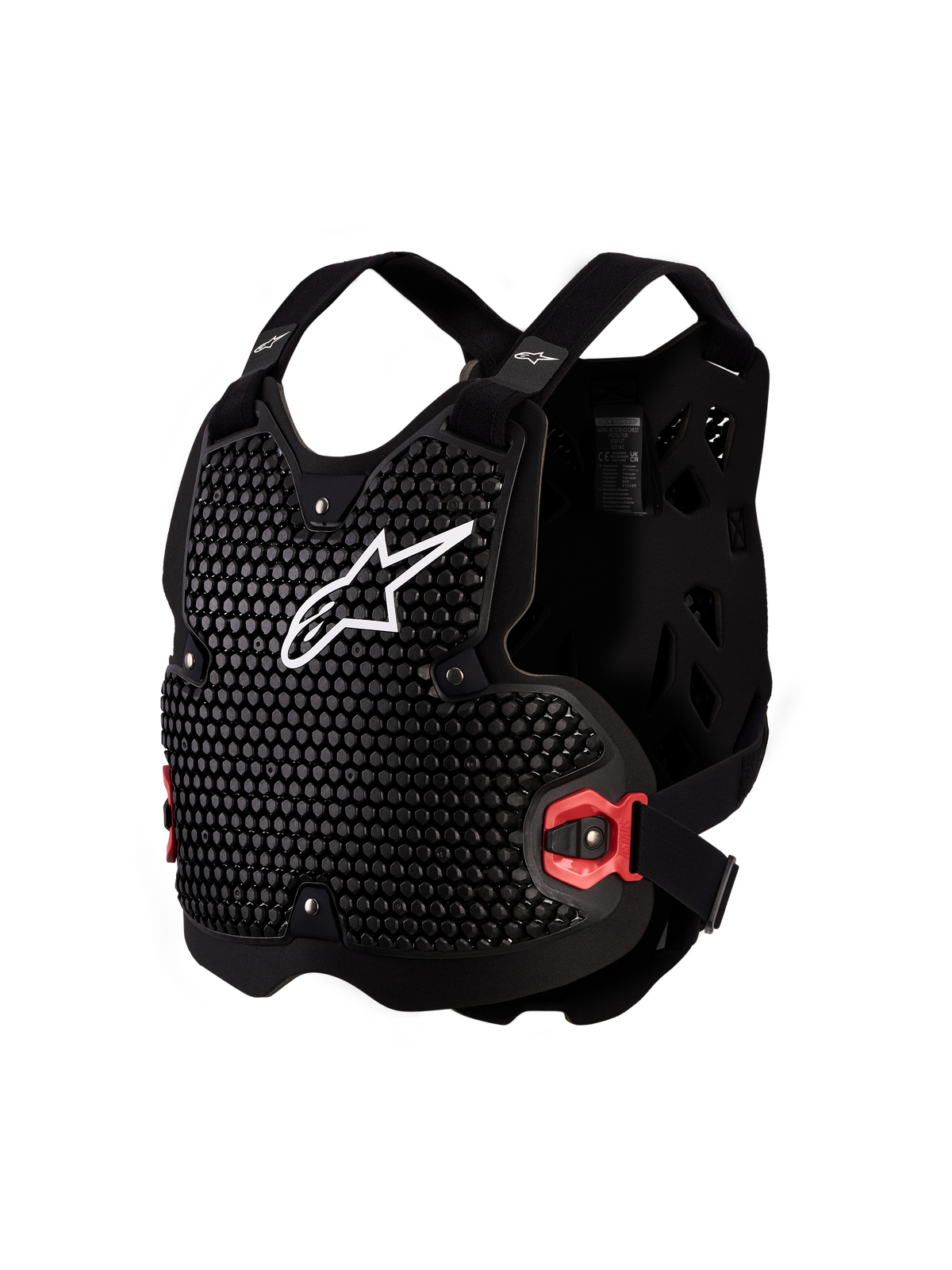
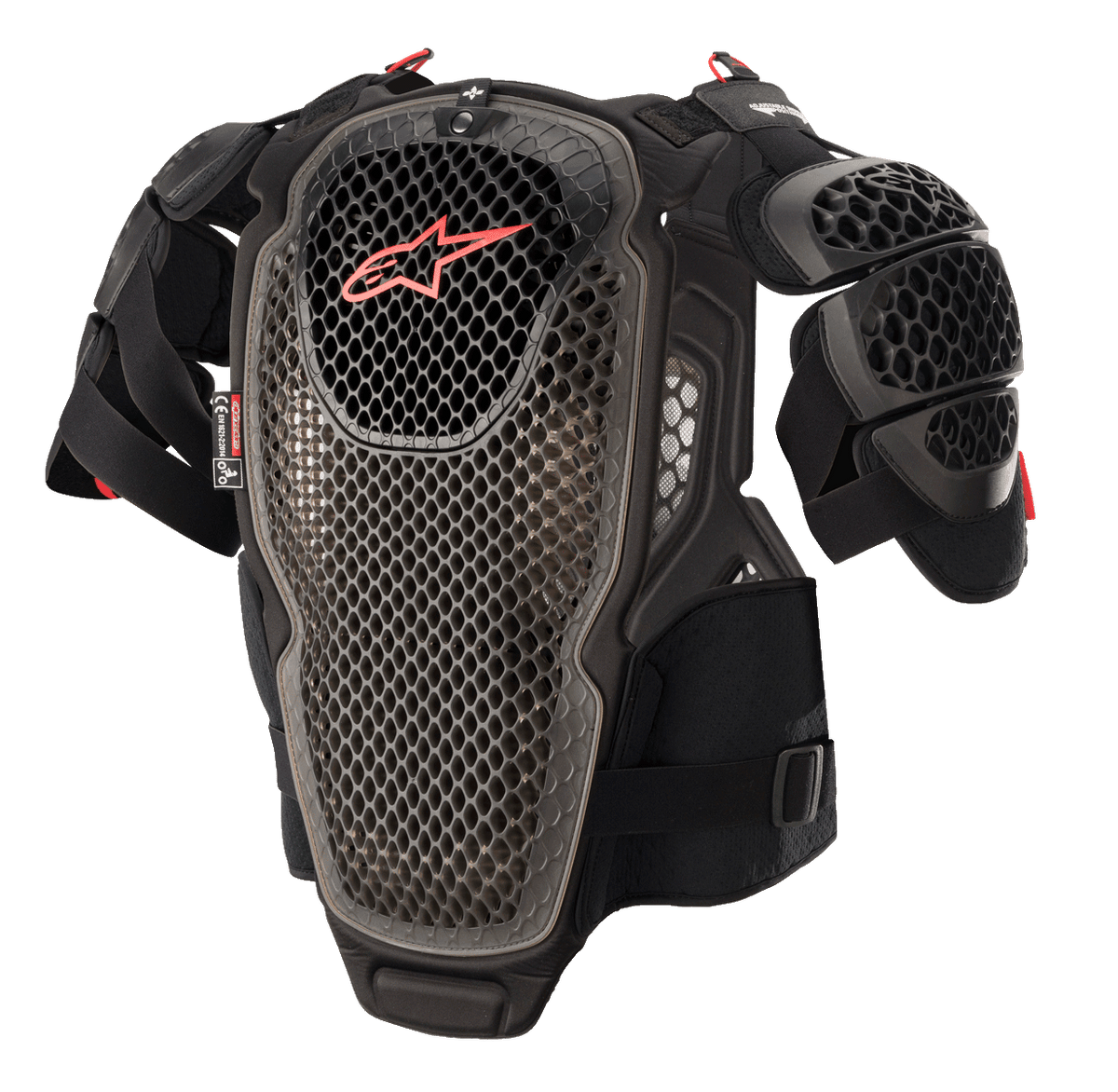
Ochraniacz Klatki Piersiowej Bionic Action V2 -
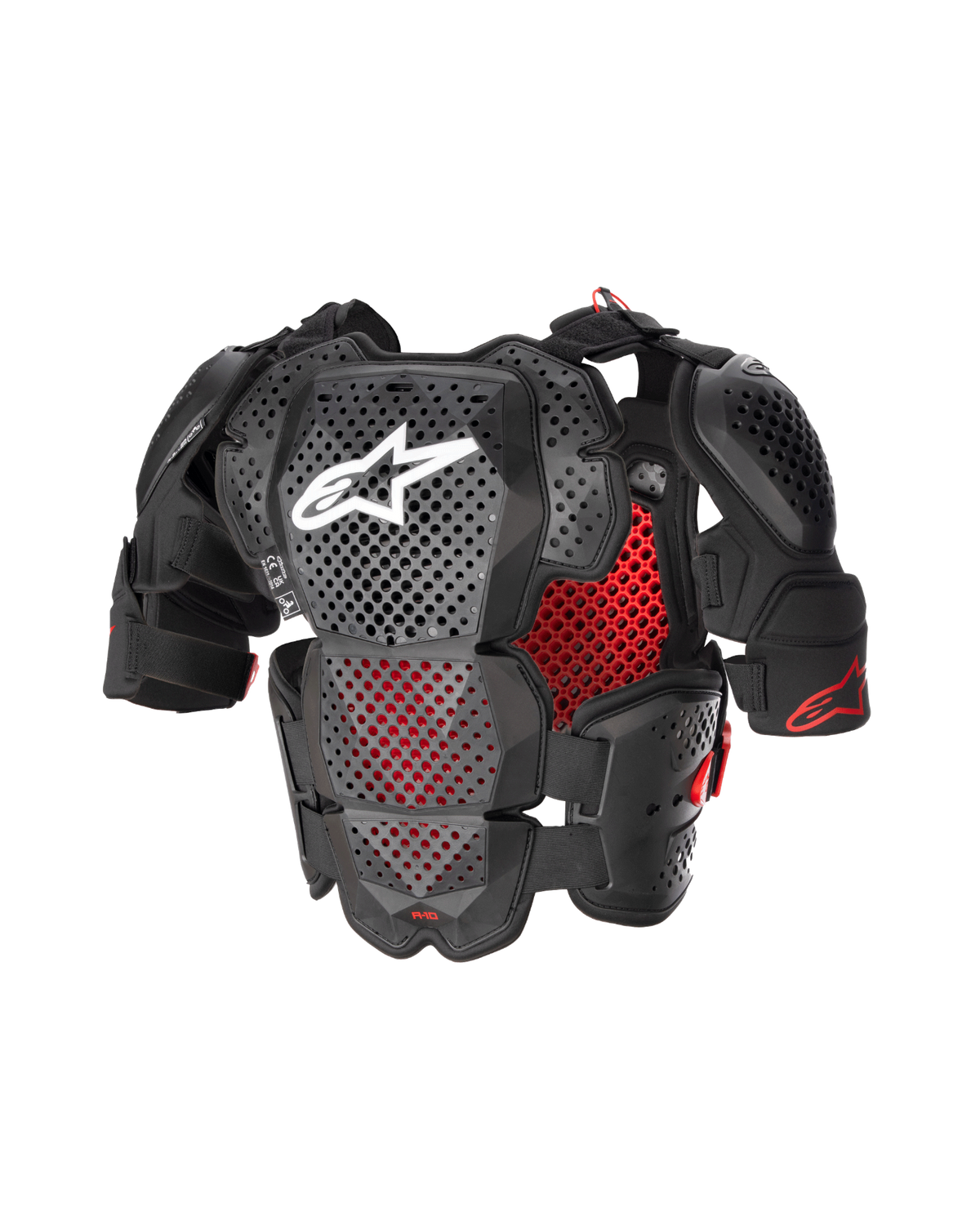
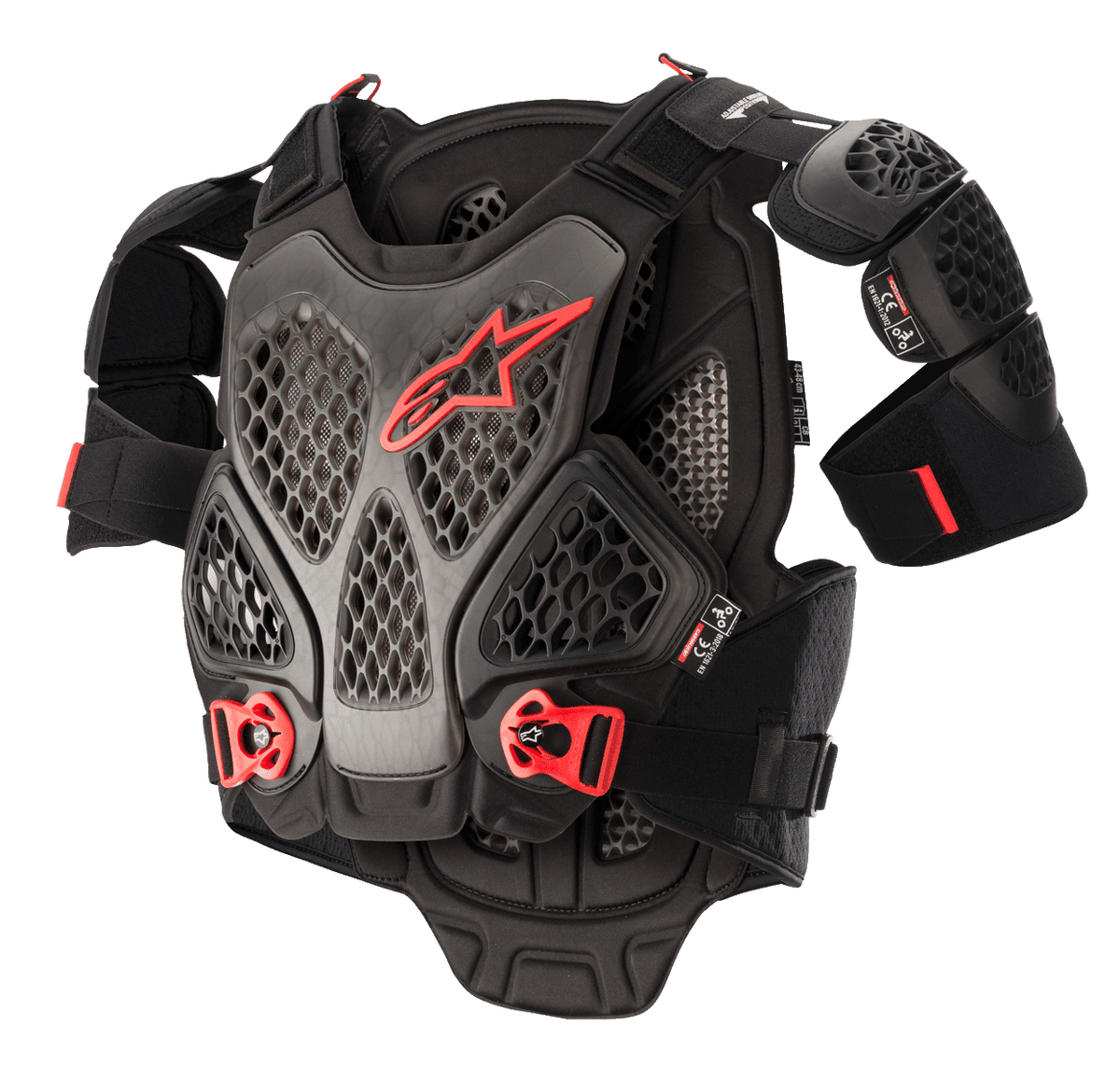
Pełny Ochraniacz Klatki Piersiowej A-10 V2 -
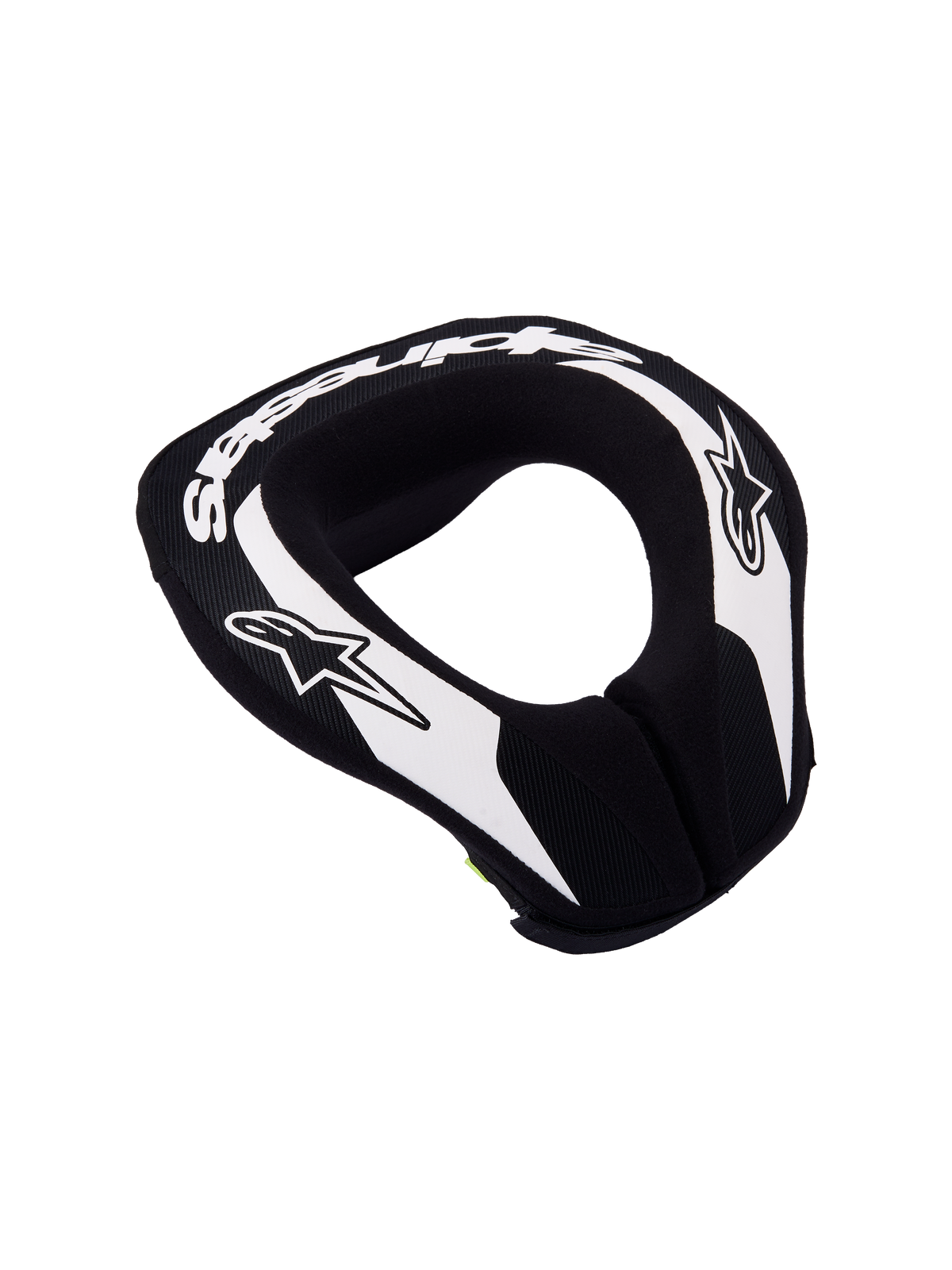
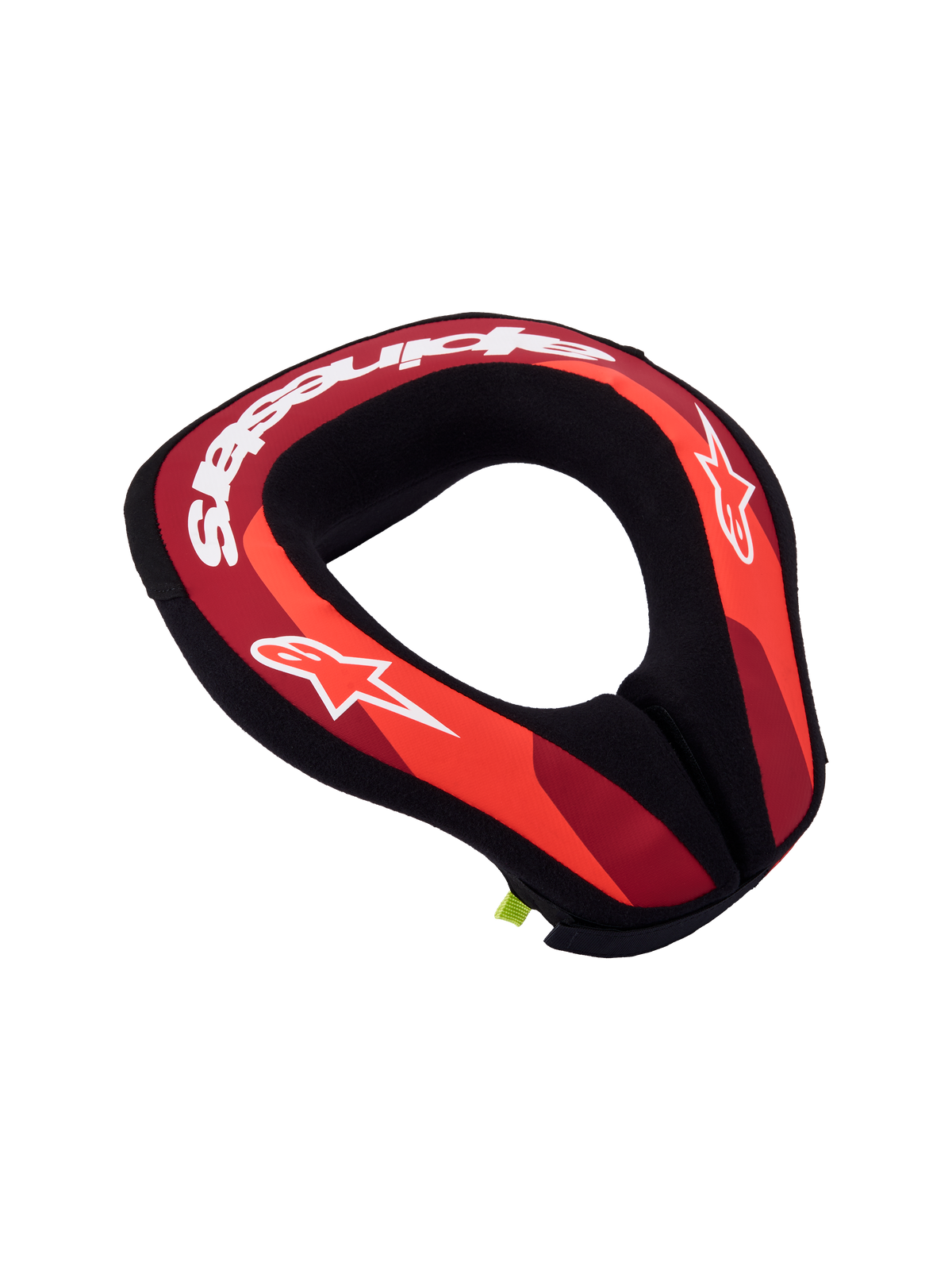
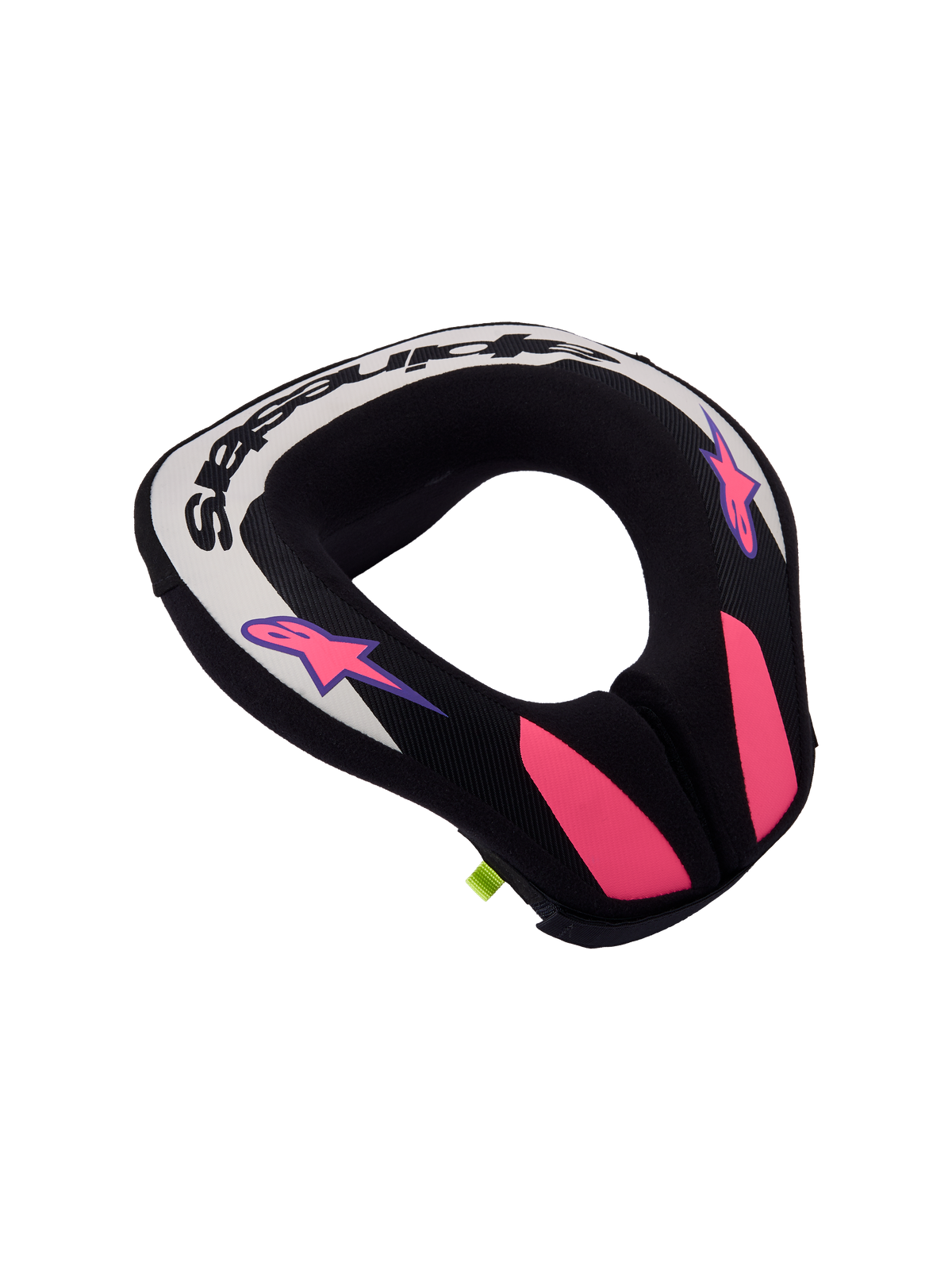
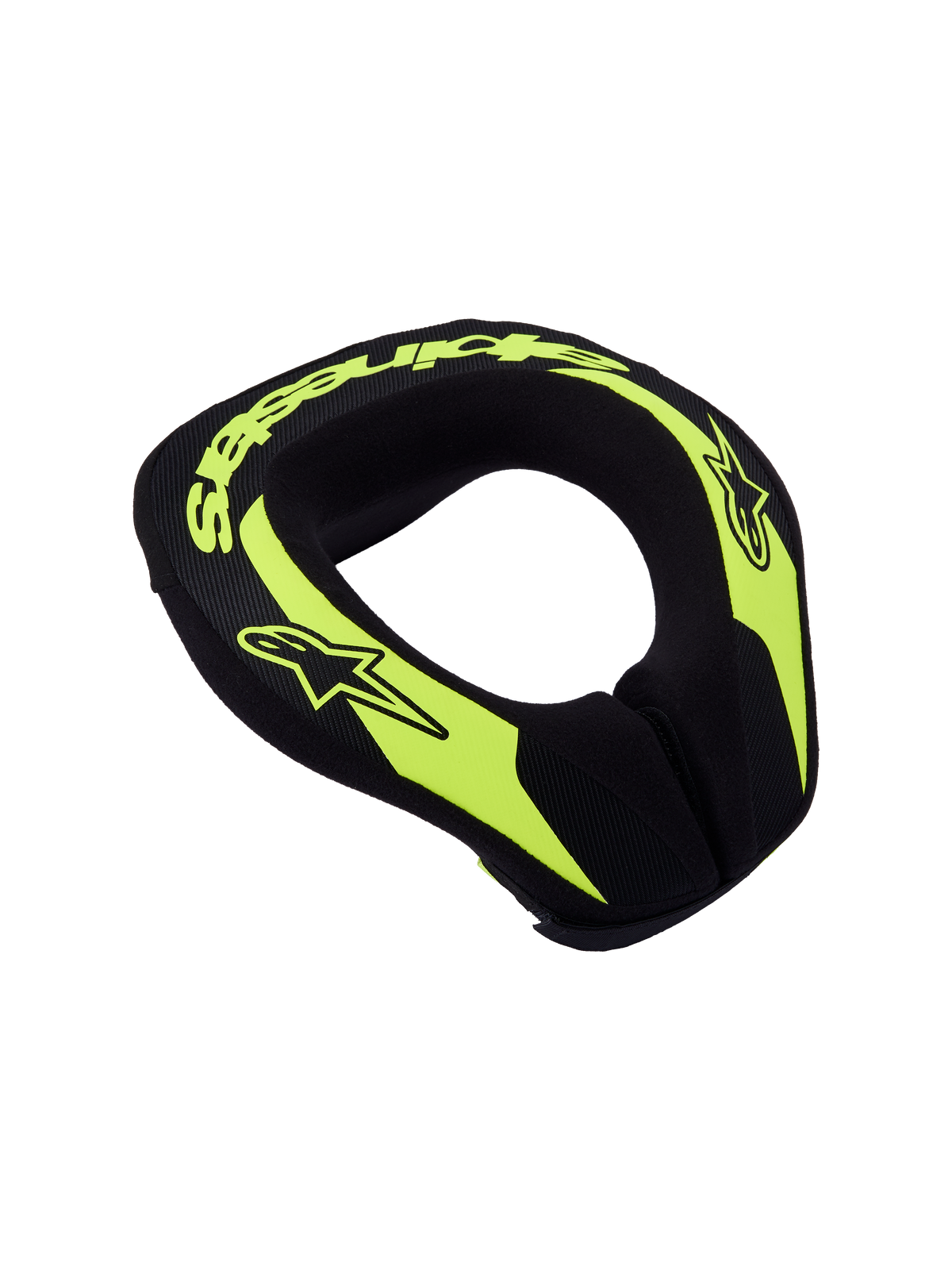
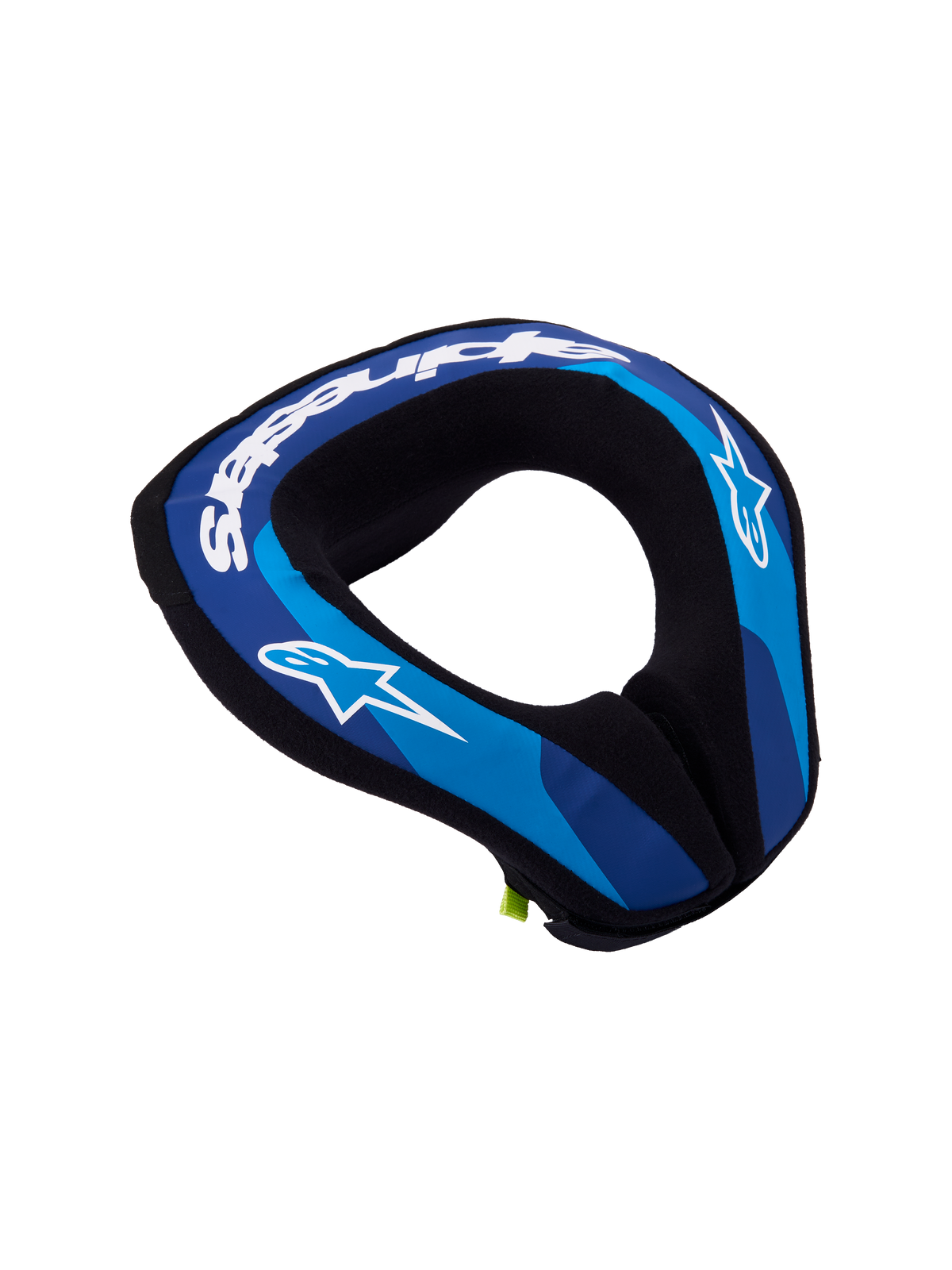
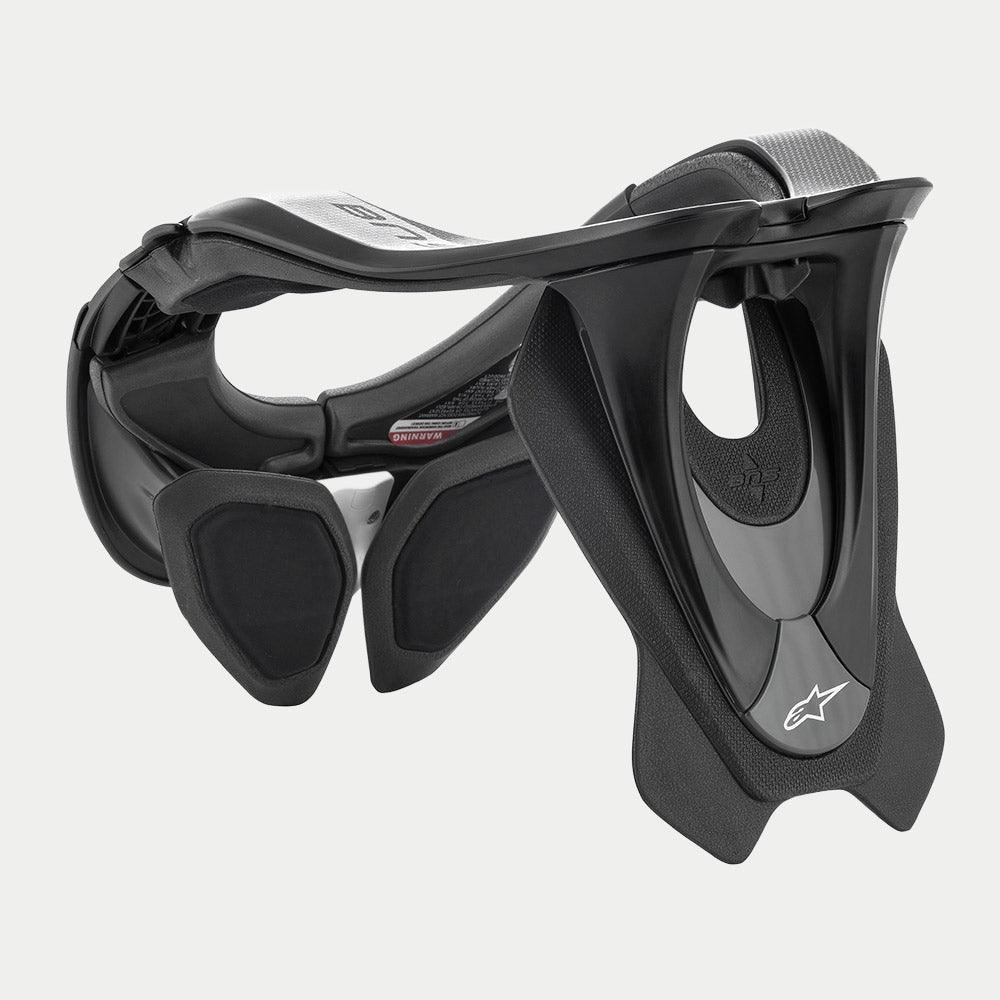
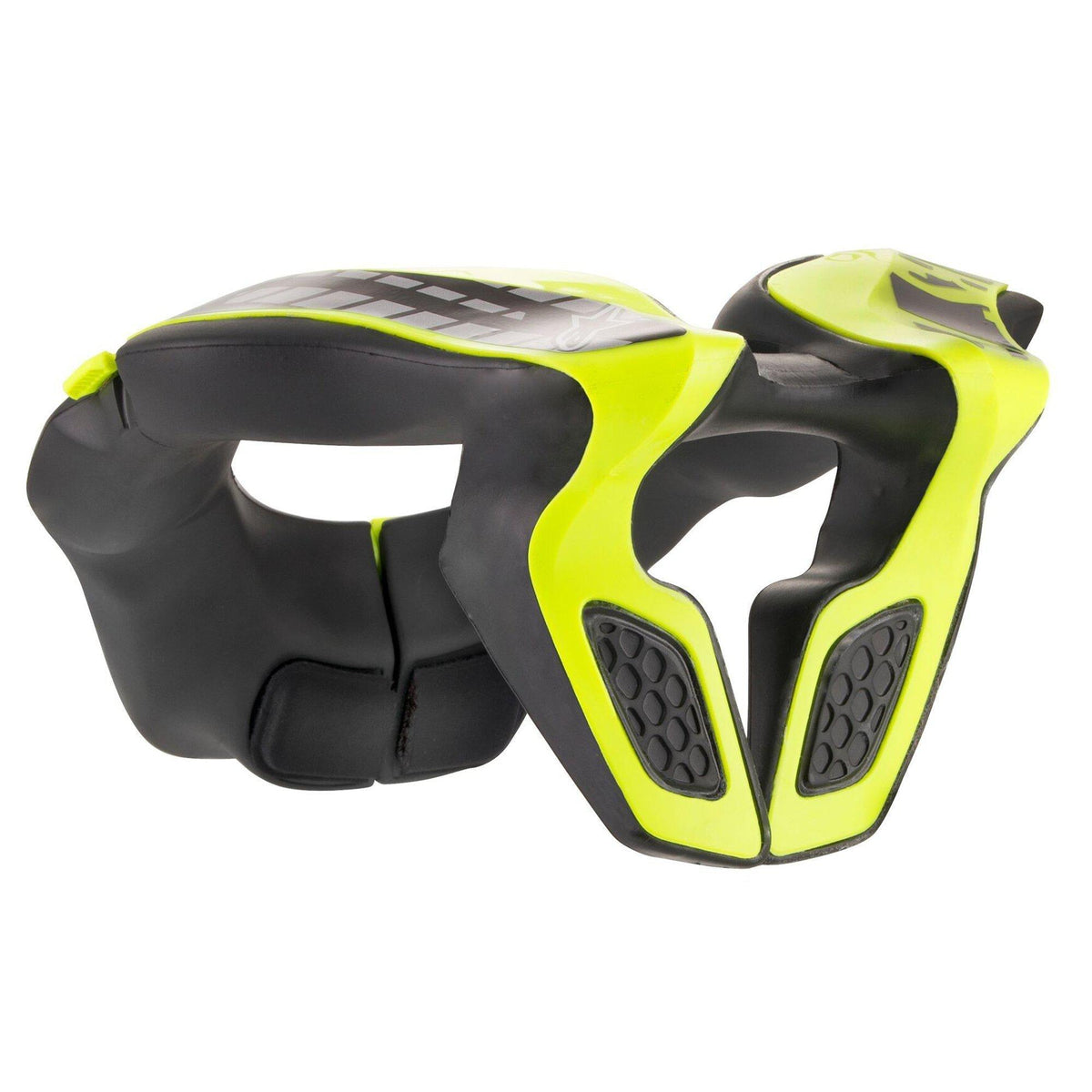
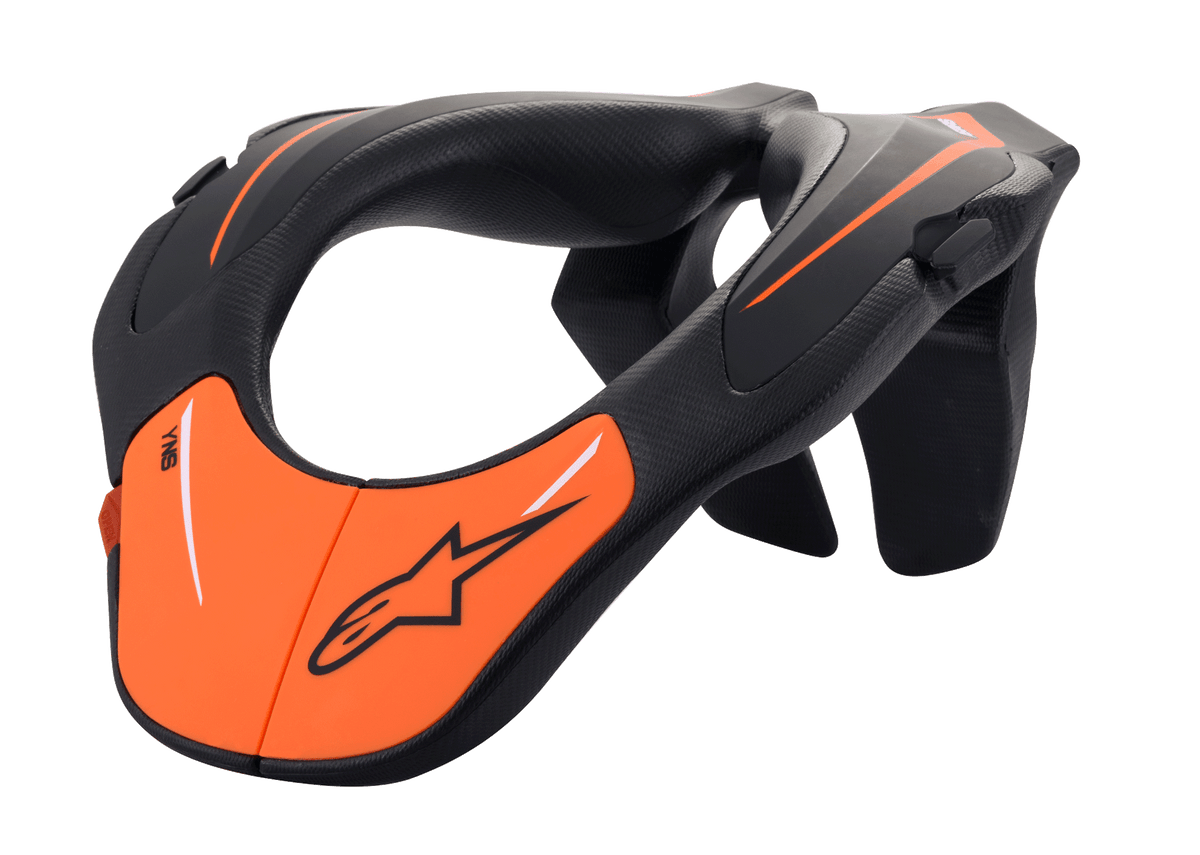
Kołnierz Ochronny Sequence Młodzieżowe -
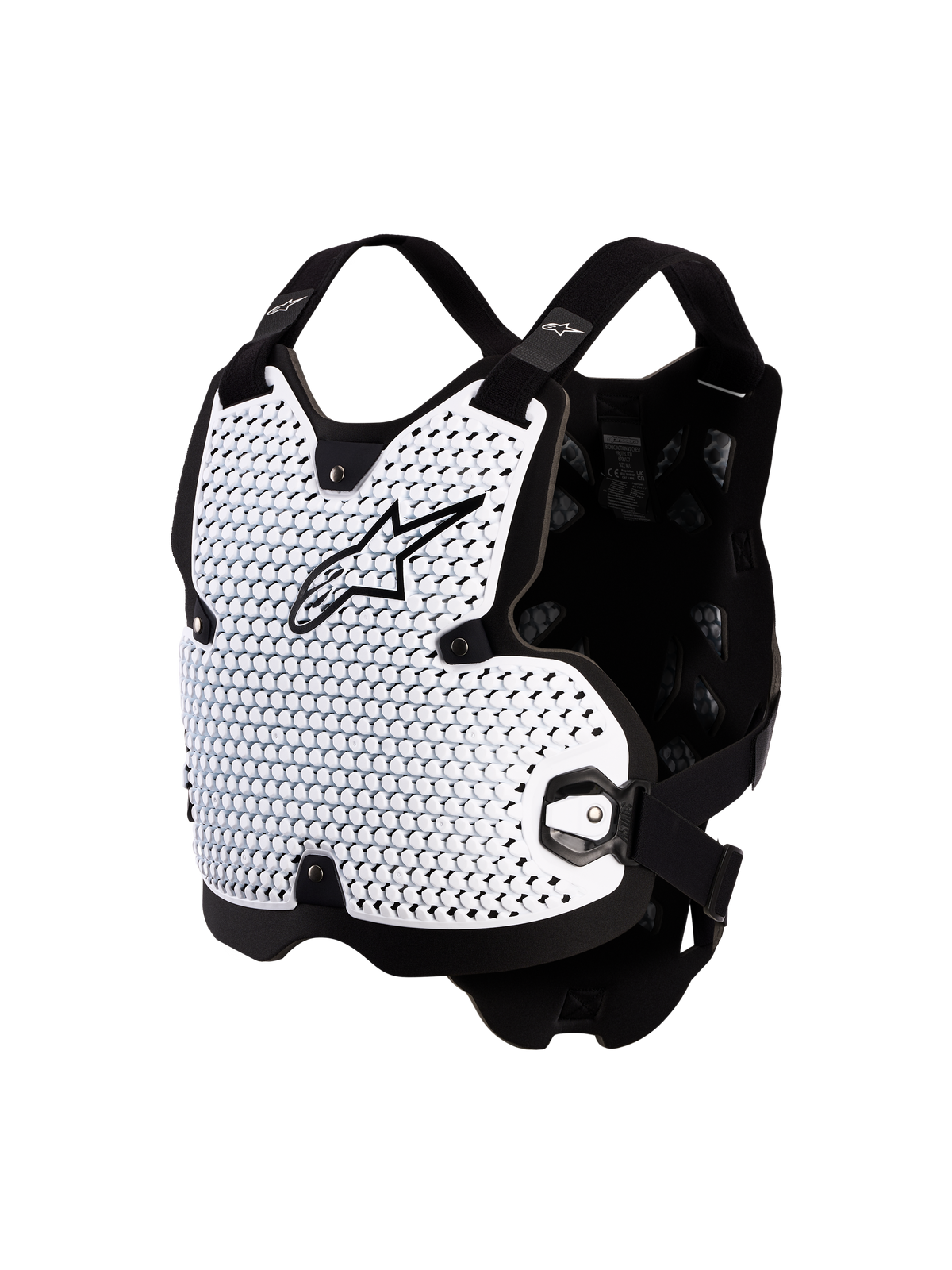
Ochraniacz Klatki Piersiowej Bionic Action V2 -
Kołnierz Ochronny Sequence Młodzieżowe -
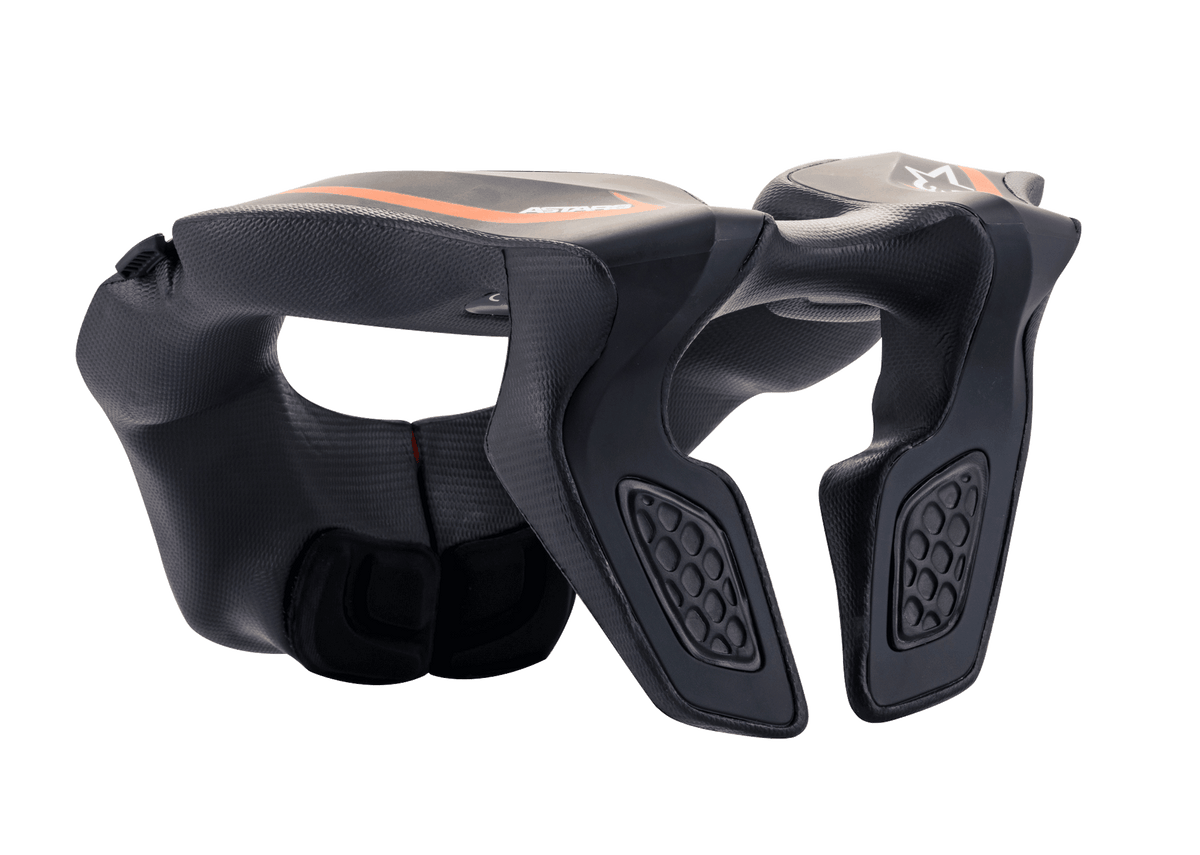
Kołnierz Ochronny Sequence Młodzieżowe -
Kołnierz Ochronny Sequence Młodzieżowe -
Kołnierz Ochronny Sequence Młodzieżowe -
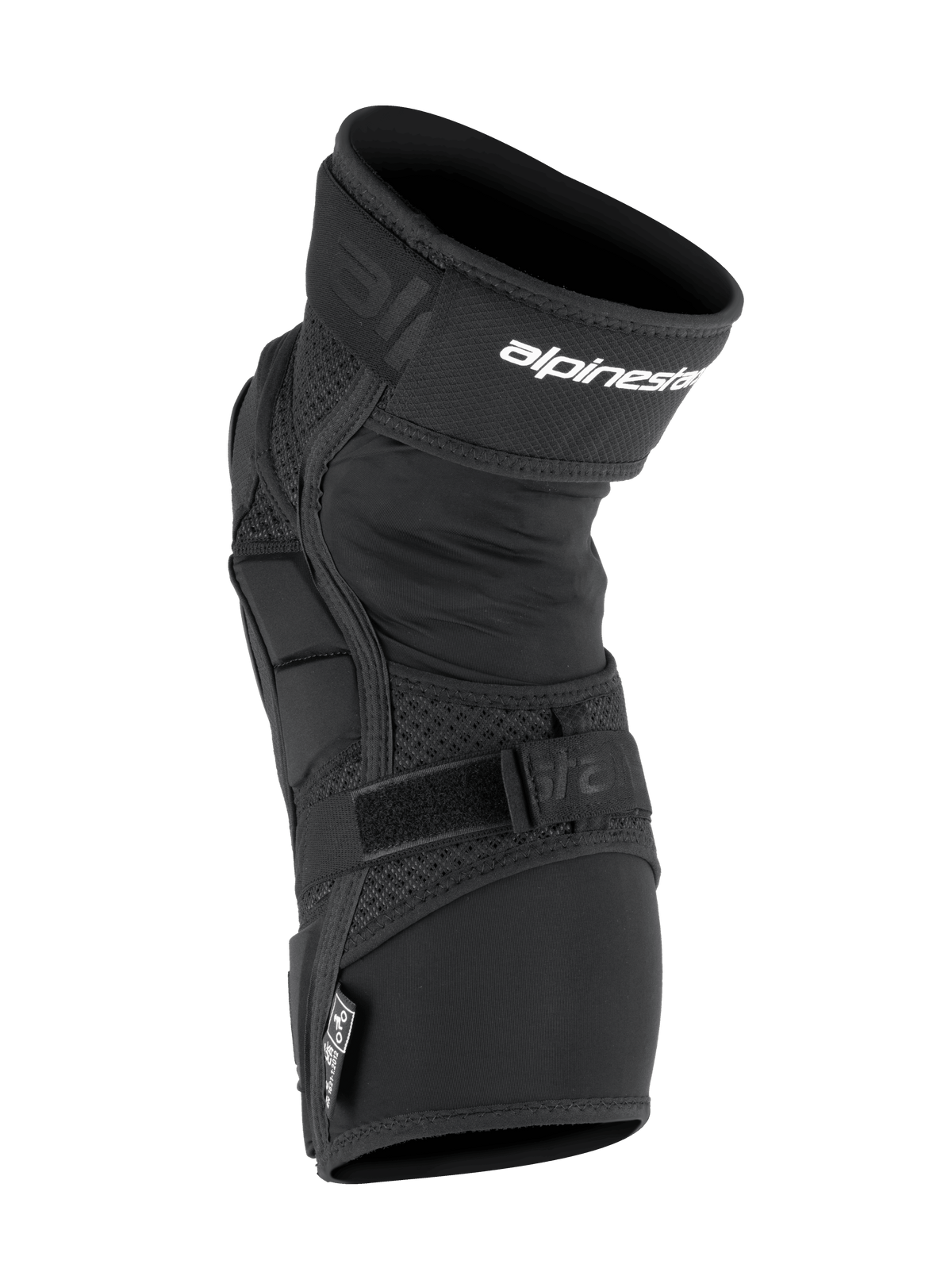
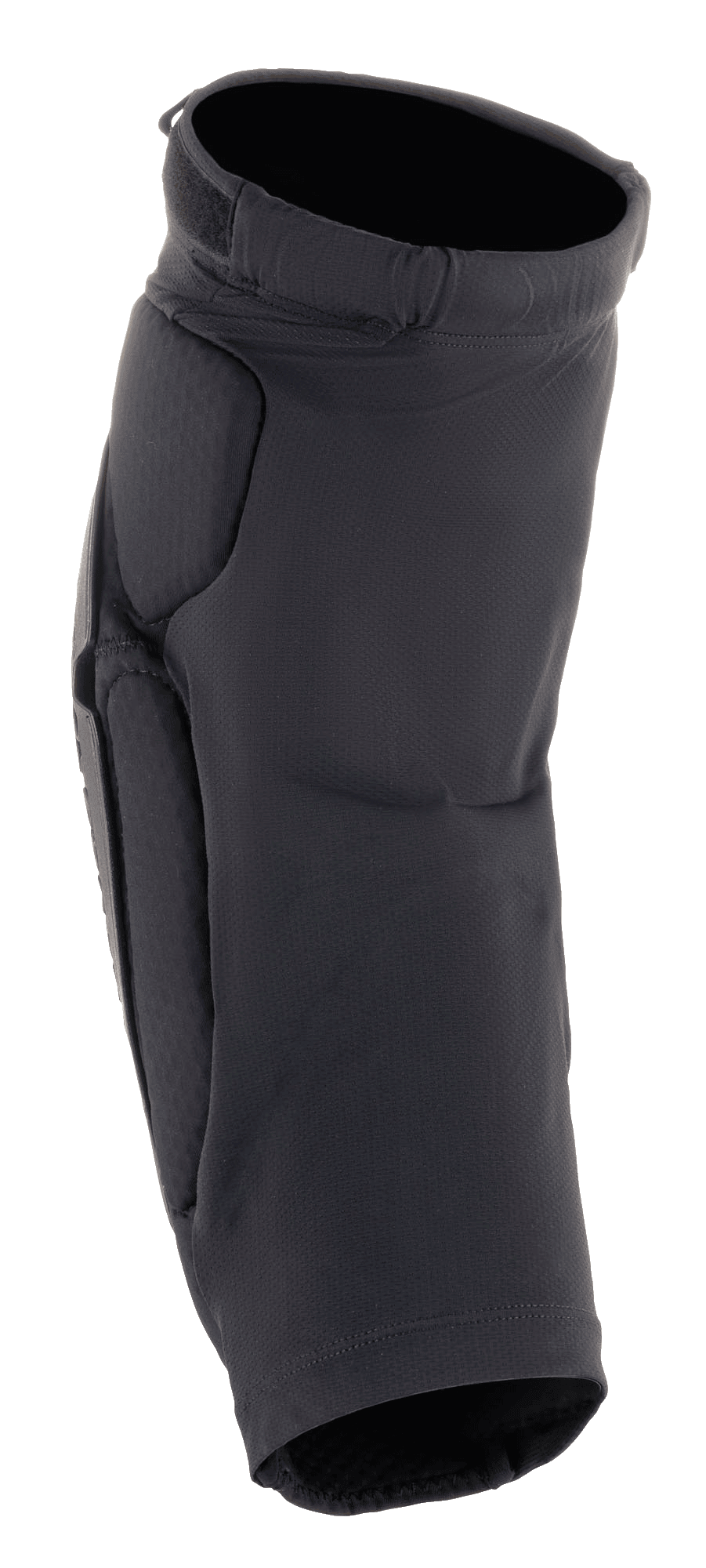
Ochraniacze Kolan SX-1 Plasma -
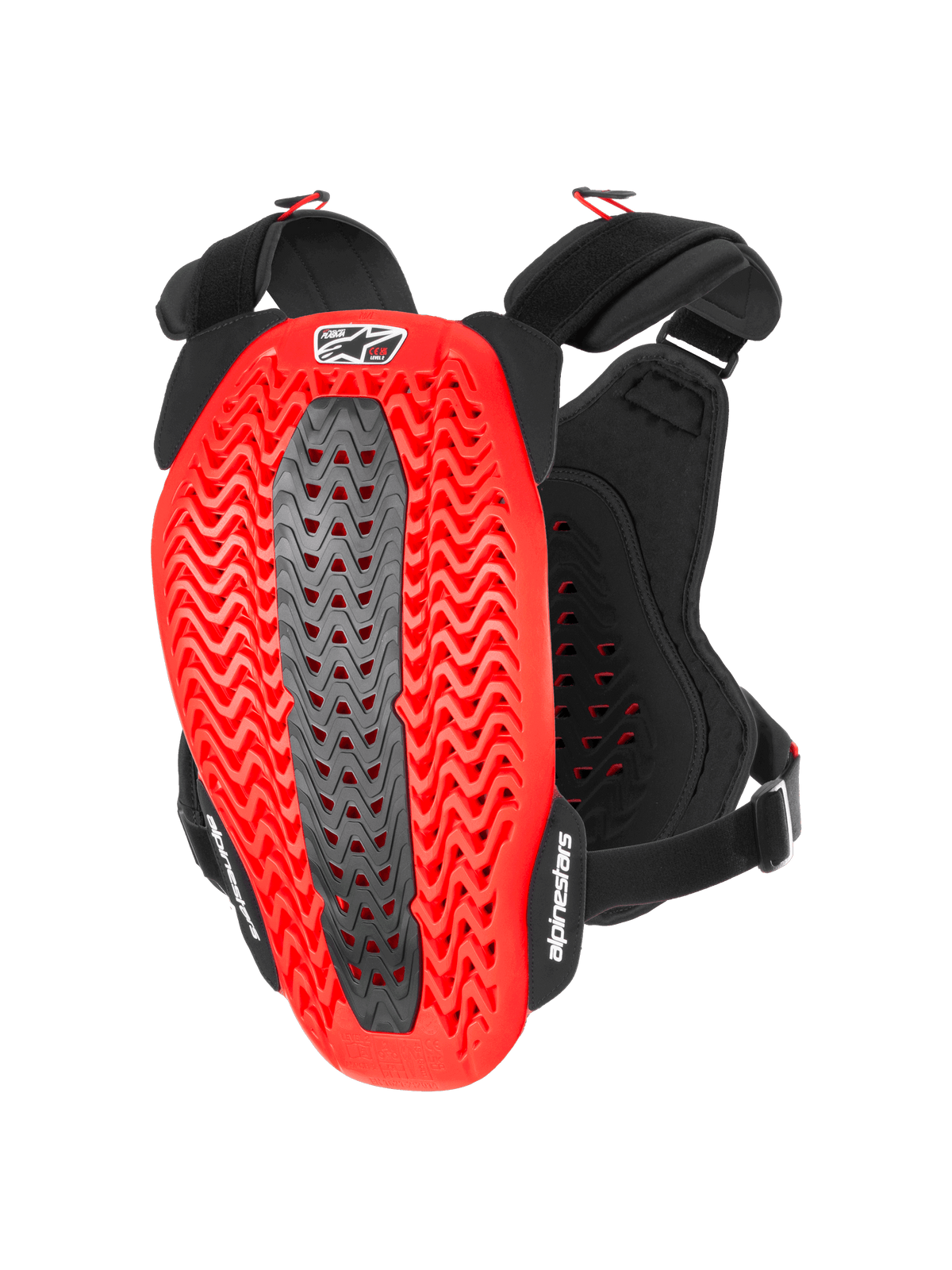
Ochraniacz Klatki Piersiowej A-4 Plasma -
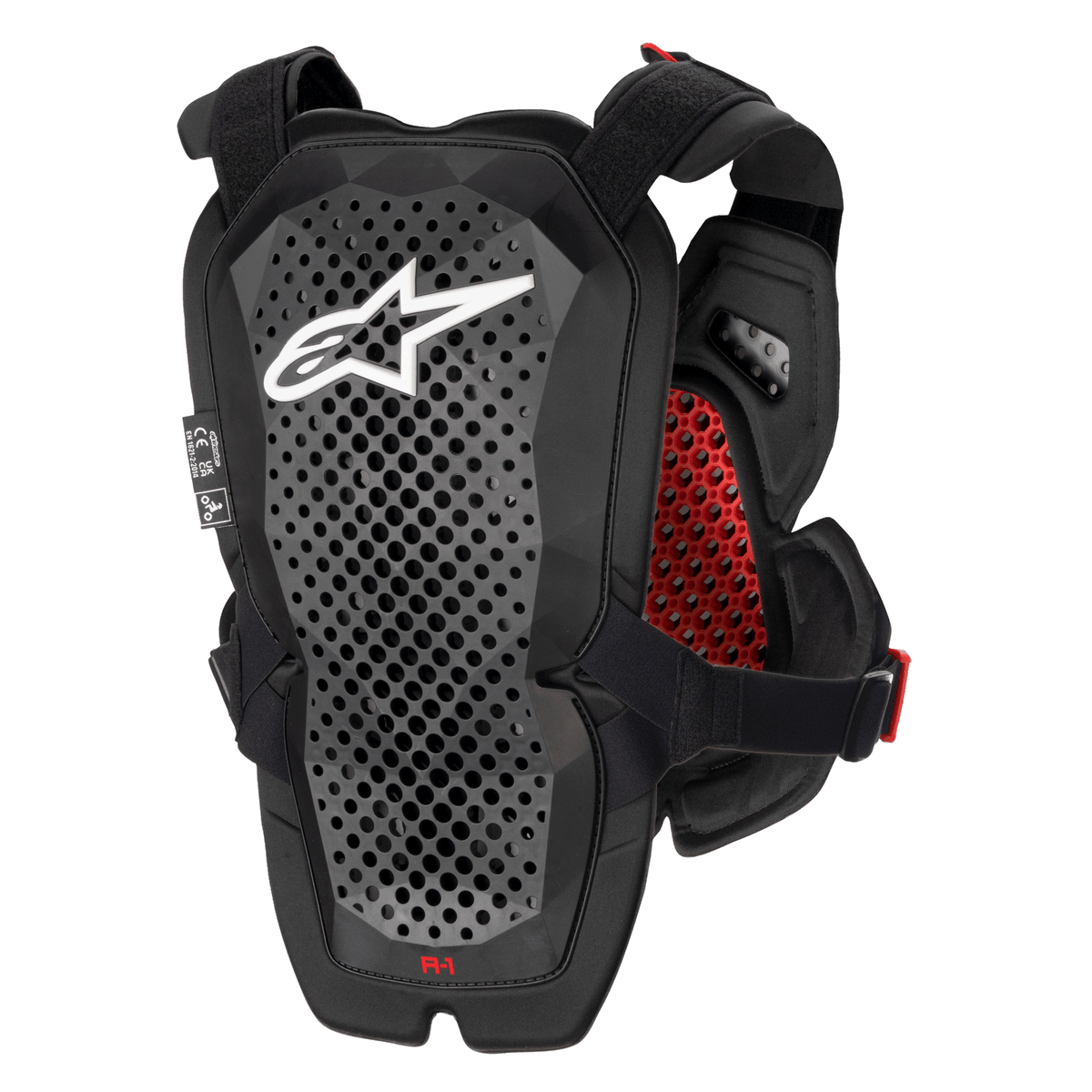
Ochraniacz Klatki Piersiowej A-1 Pro -
Ochraniacze Kolan Bionic Pro Plasma -
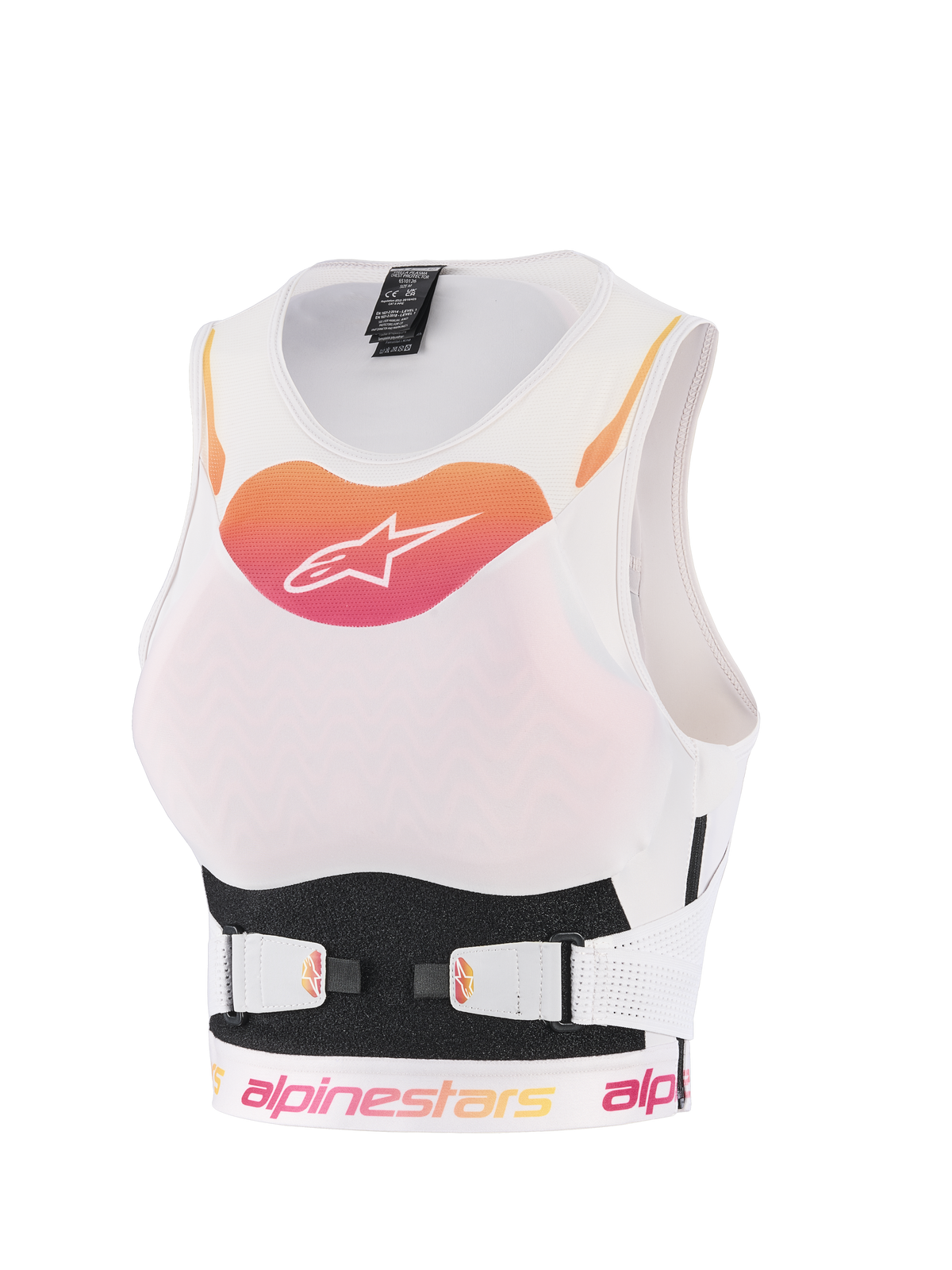
Ochraniacz Klatki Piersiowej Stella Plasma -
Ochraniacz Klatki Piersiowej Stella Plasma -
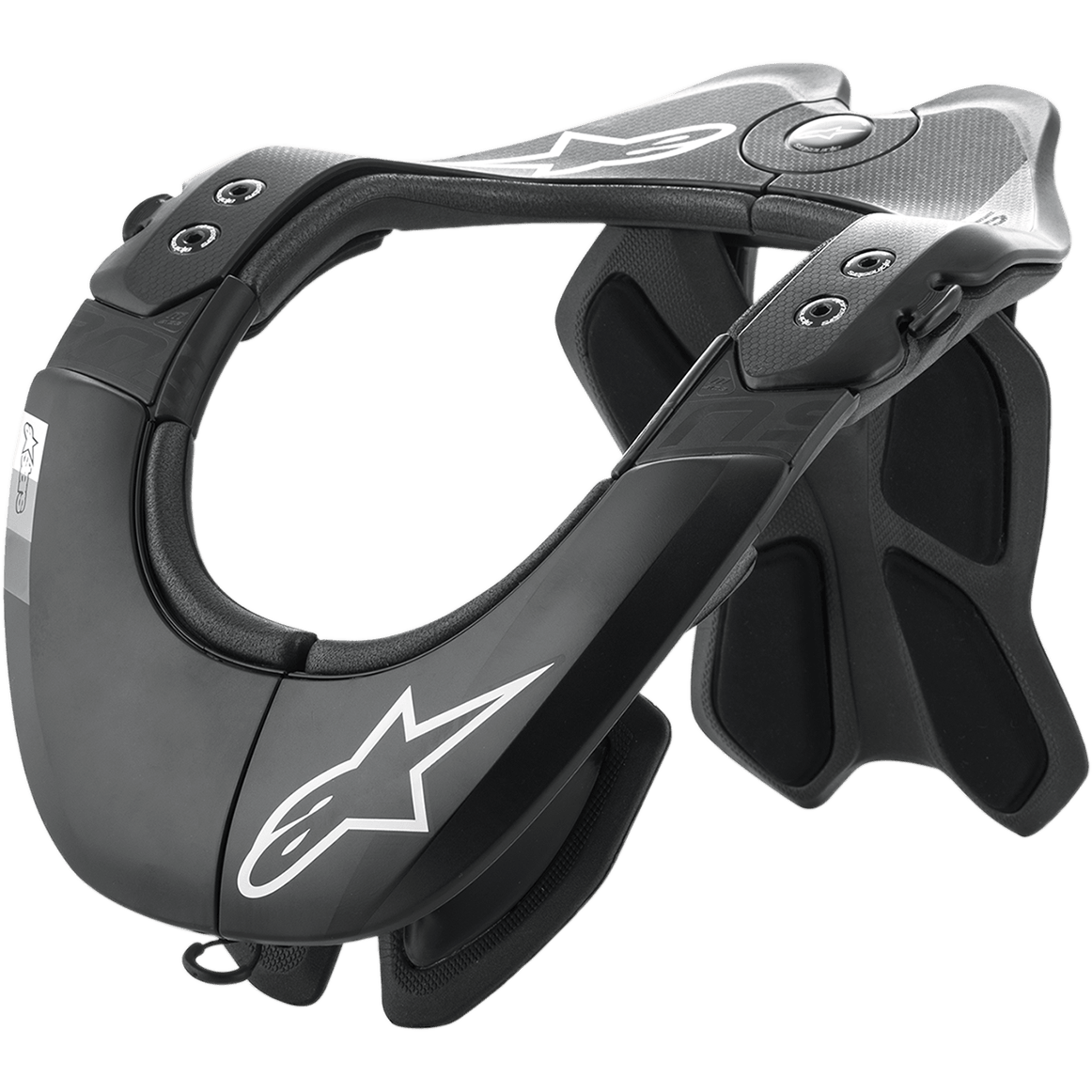
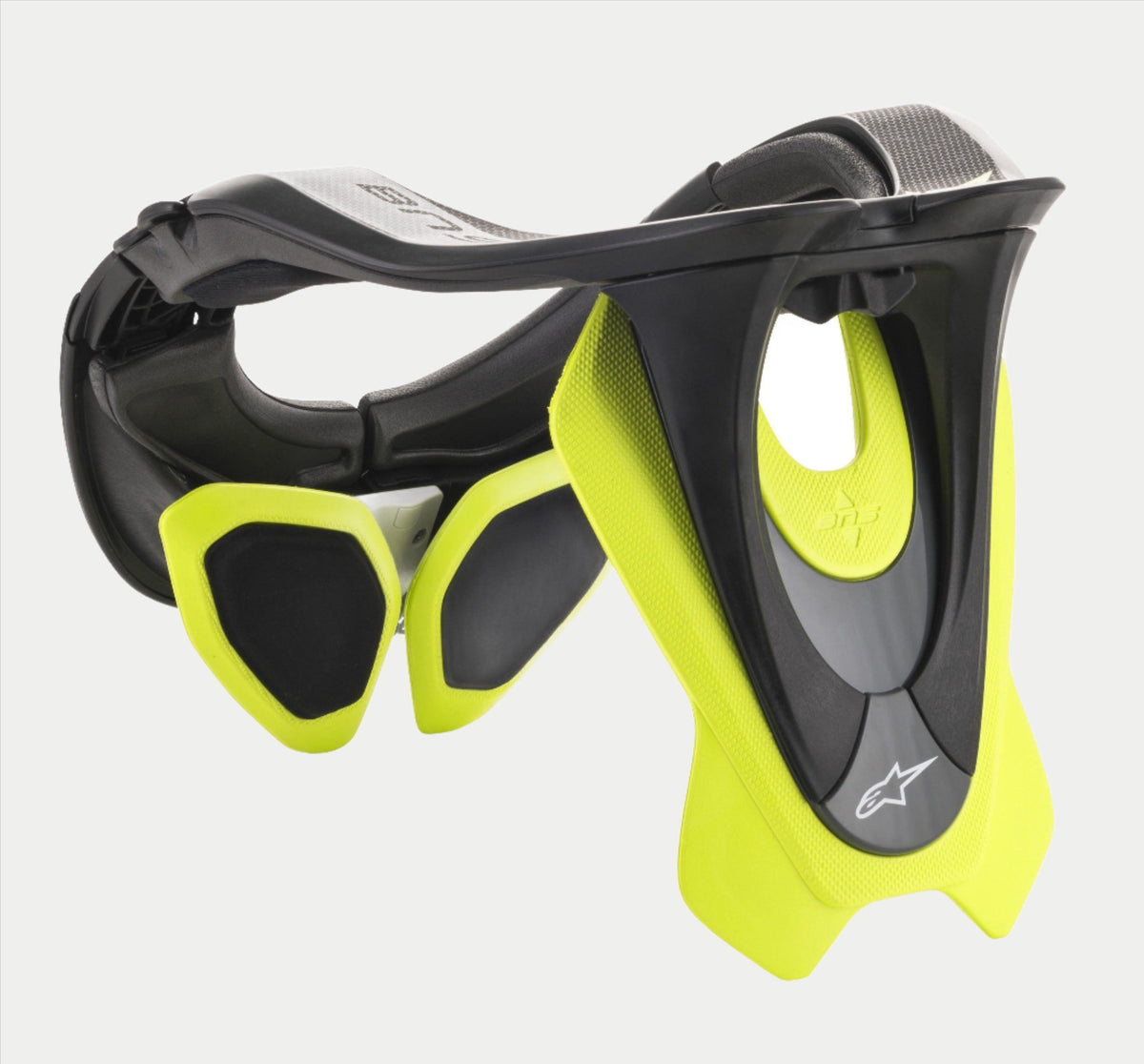
Kołnierz Ochronny Bns Tech 2 -
Ochraniacze Kolan Bionic Flex -
Ochraniacz Klatki Piersiowej A-6 -
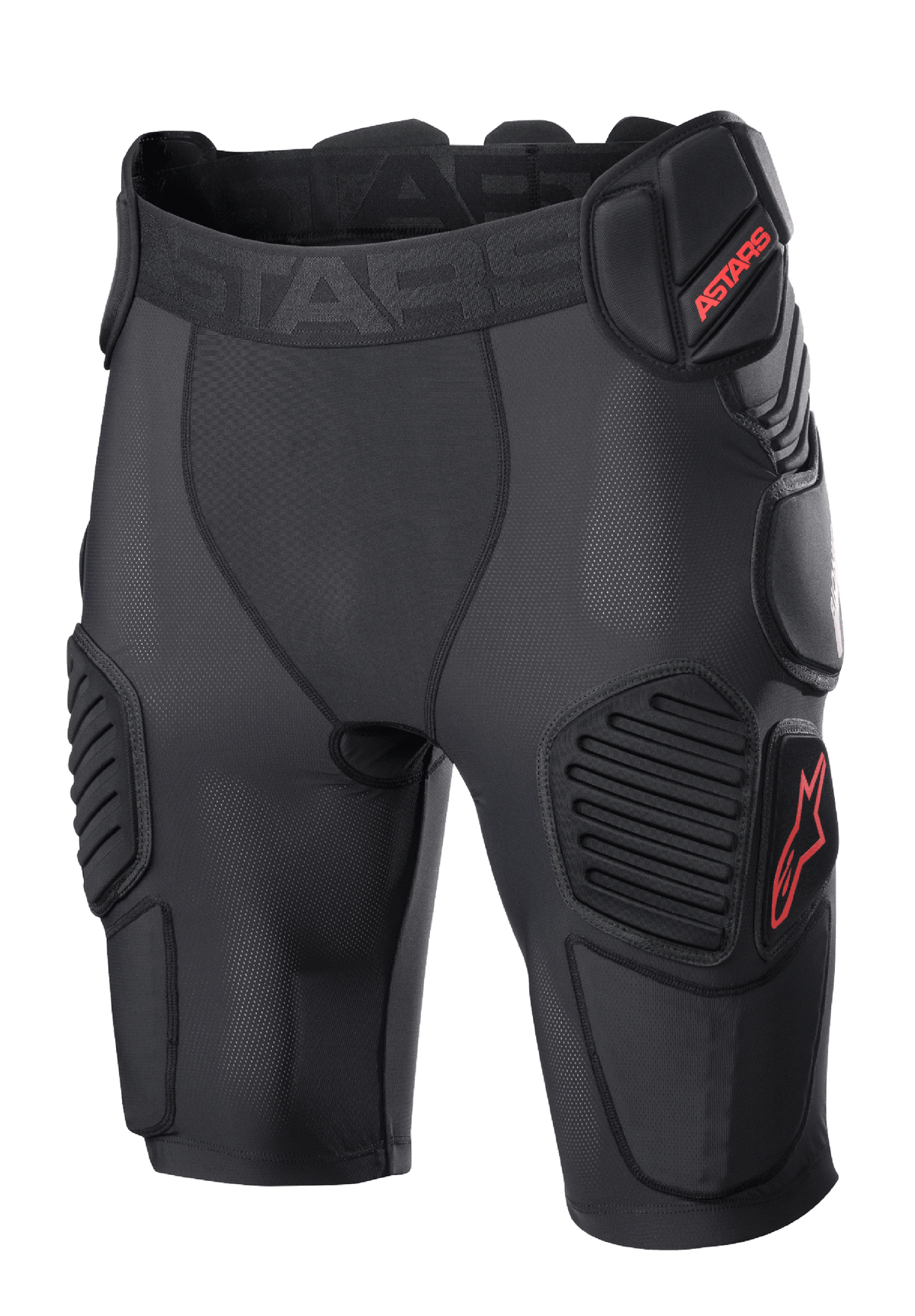
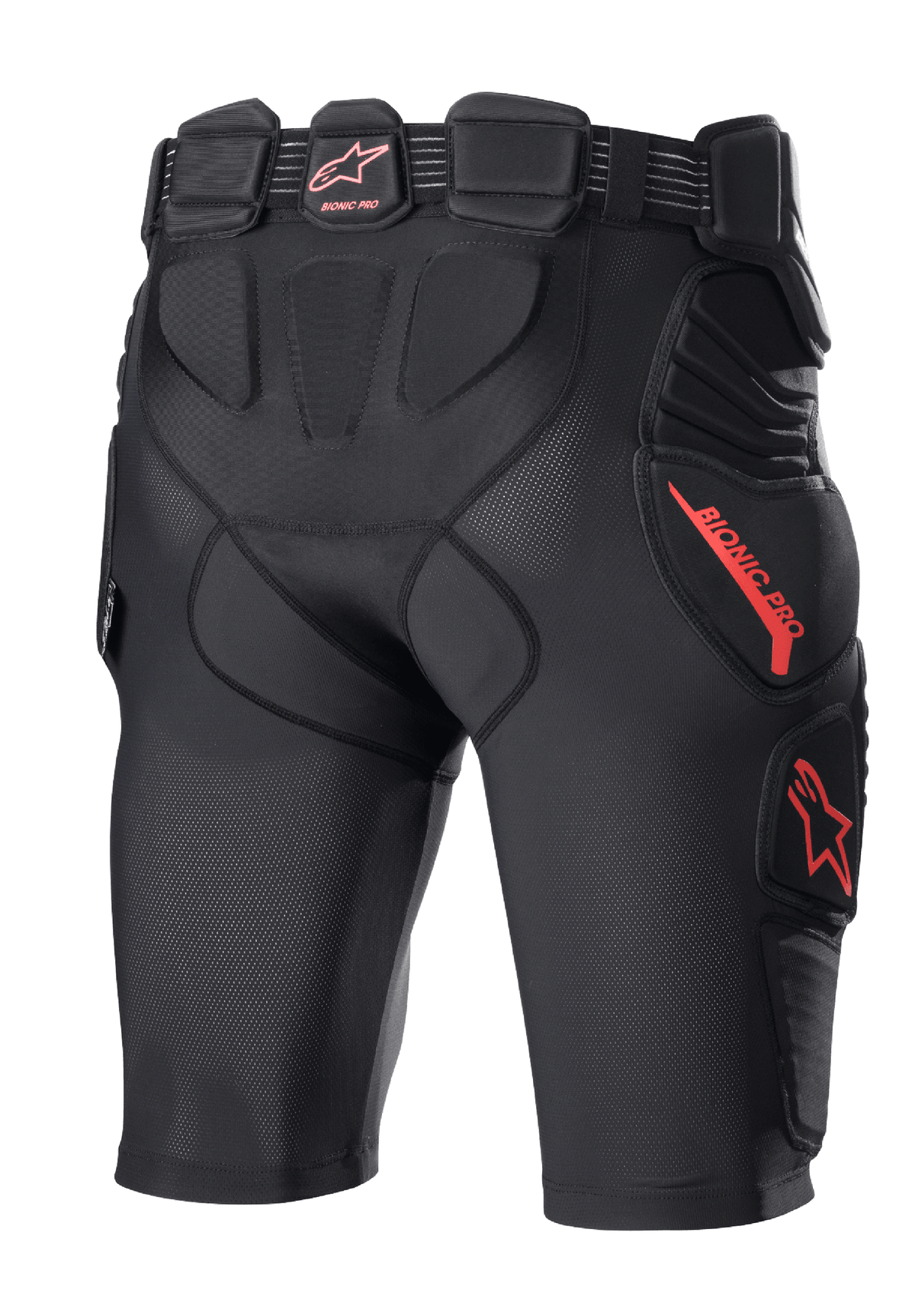
Spodenki Ochronne Bionic Pro -
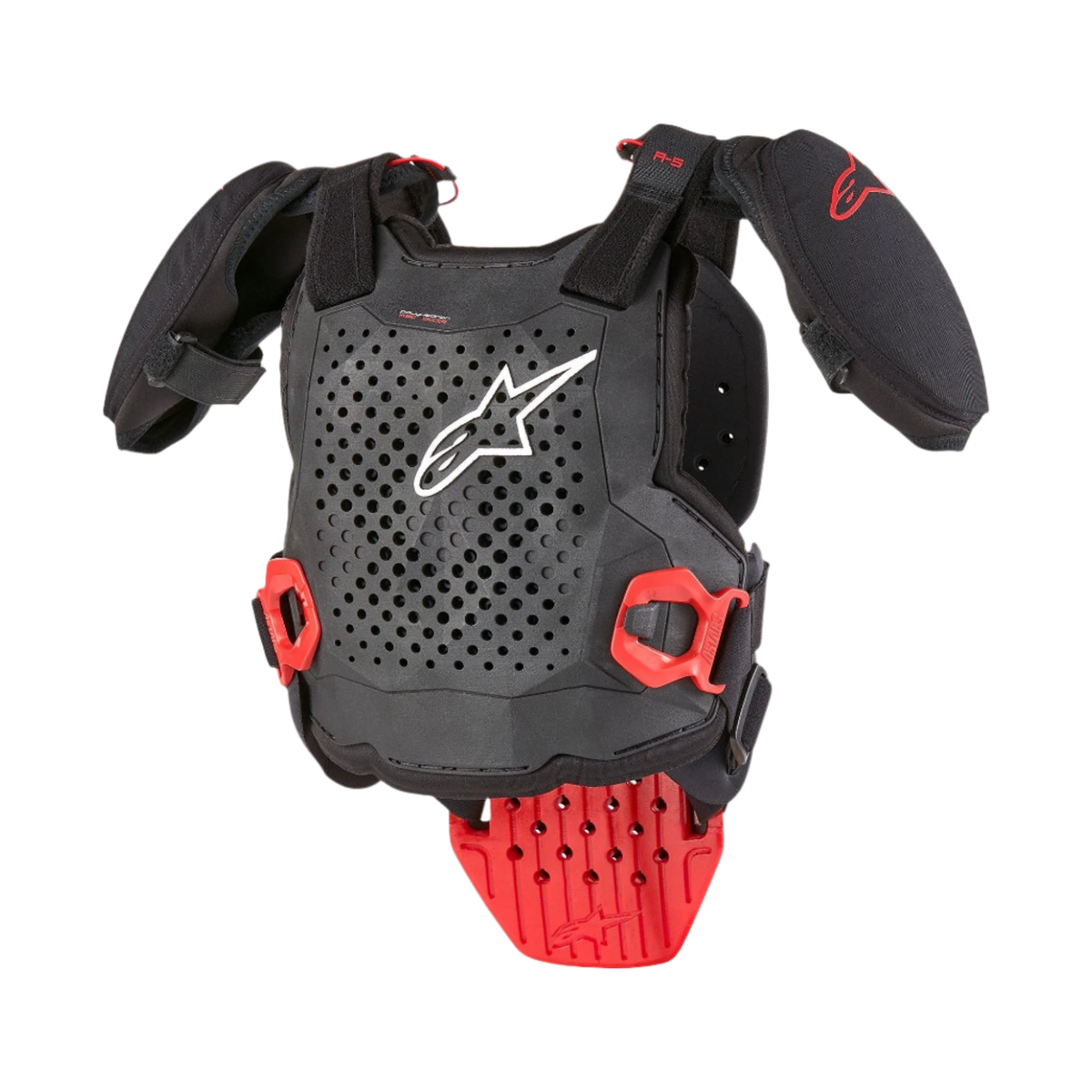
Ochraniacz Klatki Piersiowej A-5 Plasma -
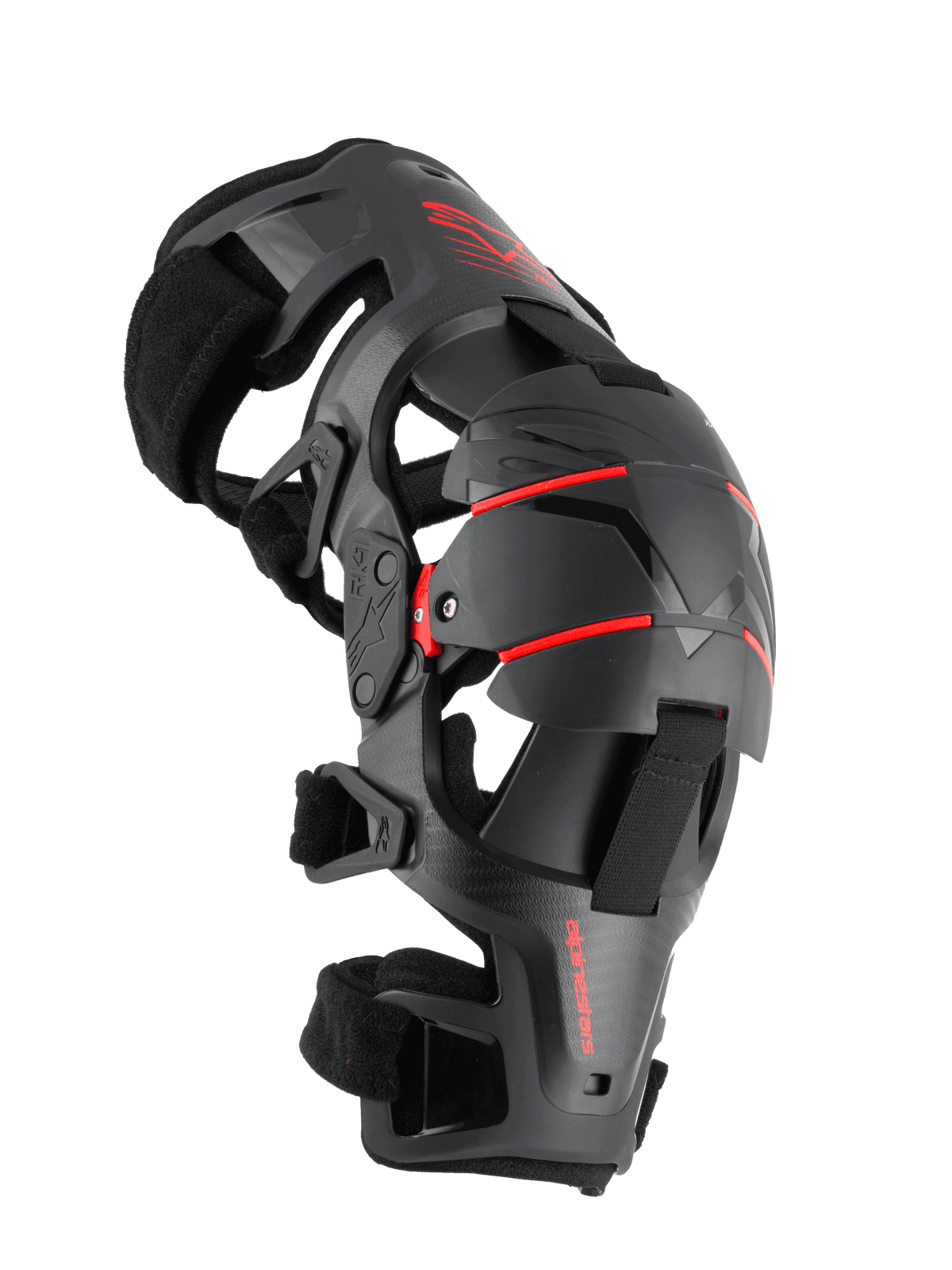
Ochraniacze Kolan Rk-1 Plasma -
Ochraniacze Kolan Bionic Plus -
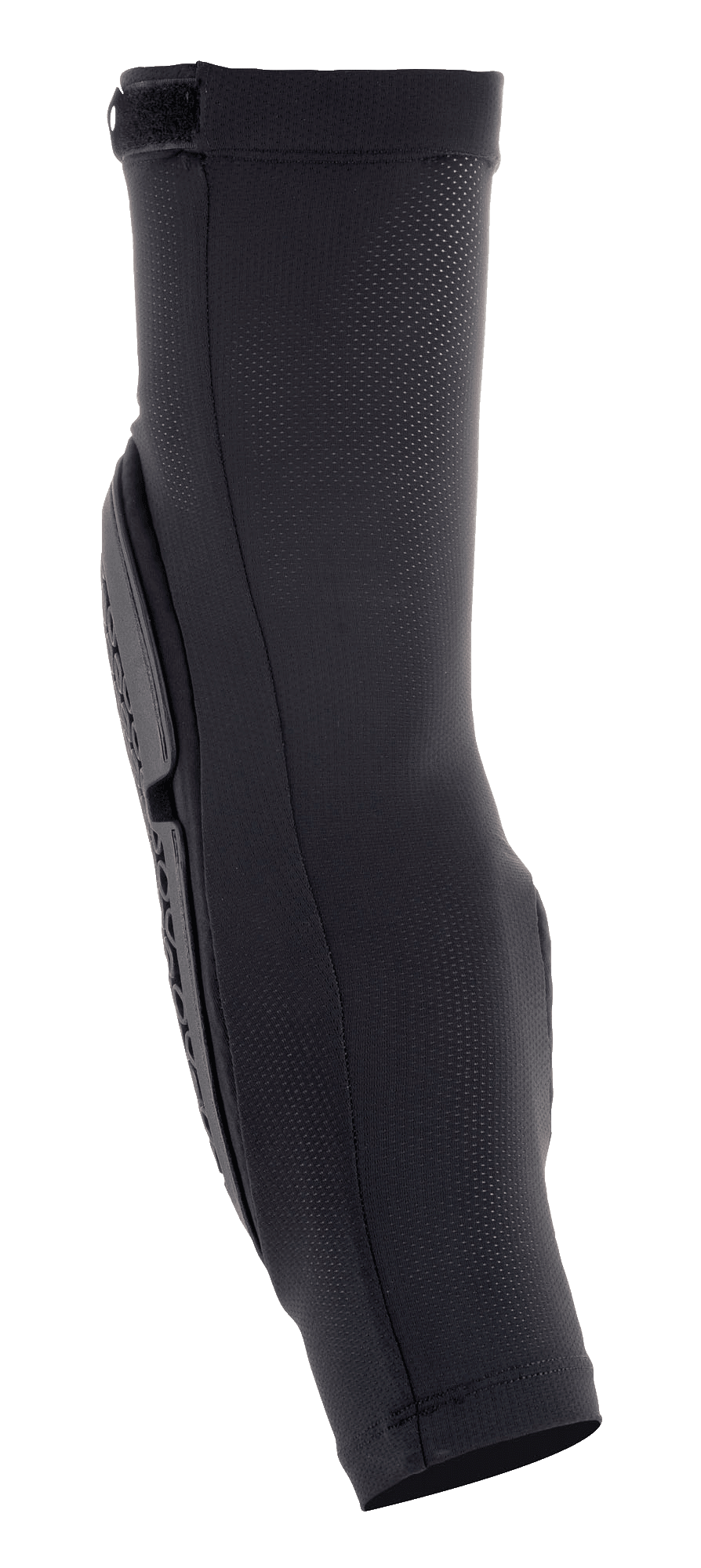
Ochraniacze Łokci Bionic Pro Plasma -
Spodenki Ochronne Bionic Action -
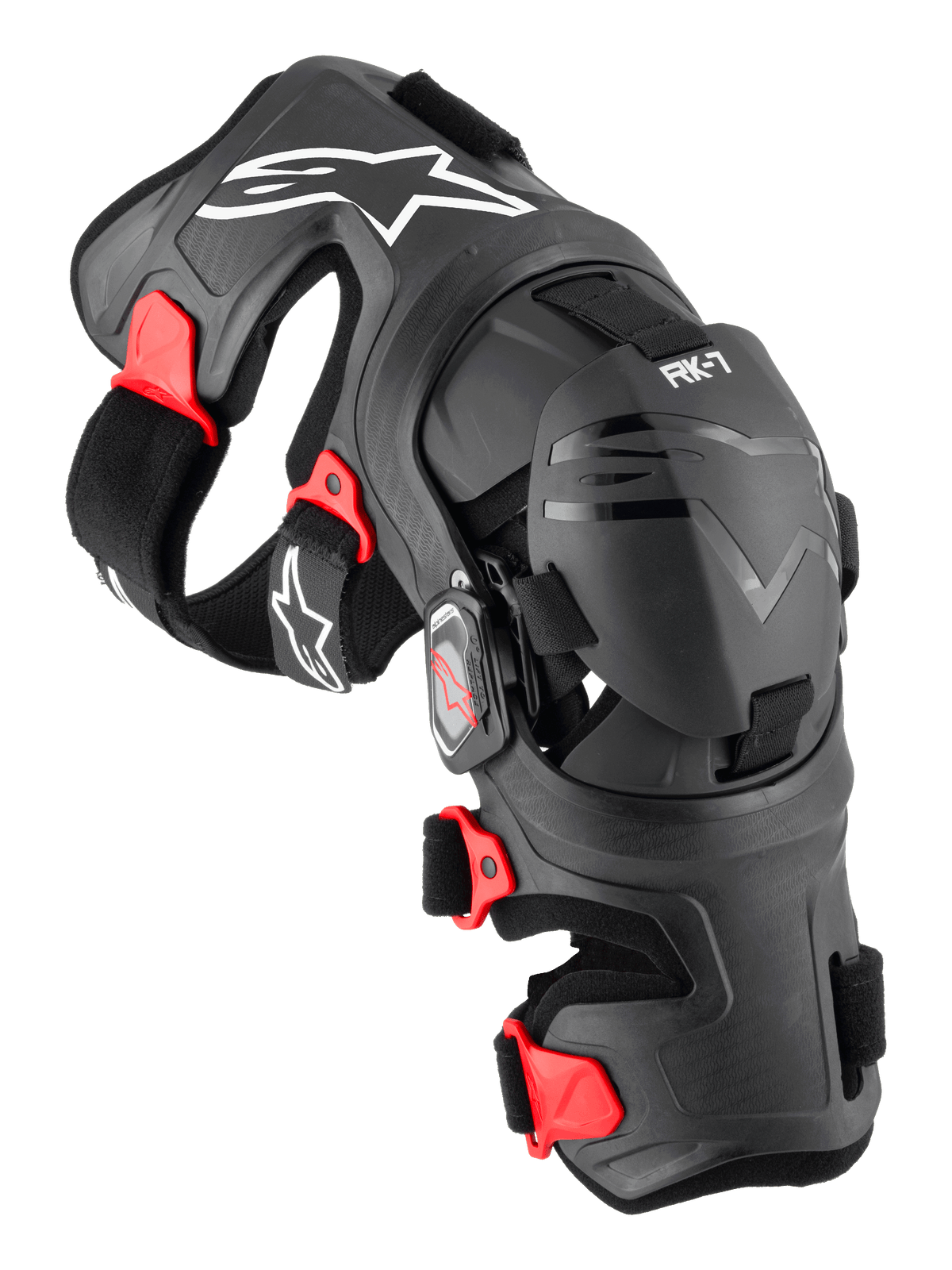
Ochraniacze Kolan RK-7 Plasma -
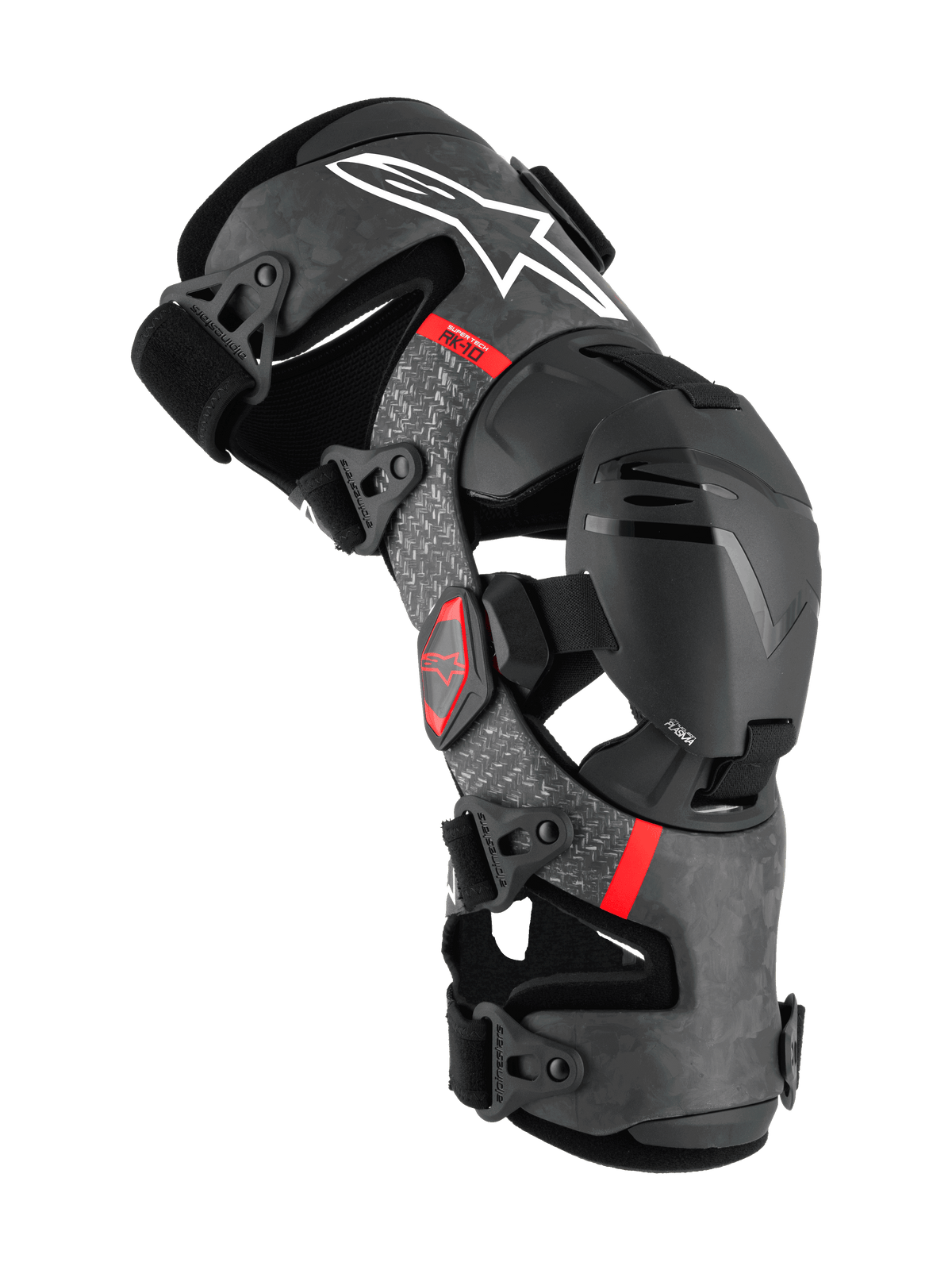
Ochraniacze Kolan Supertech Rk-10 Plasma -
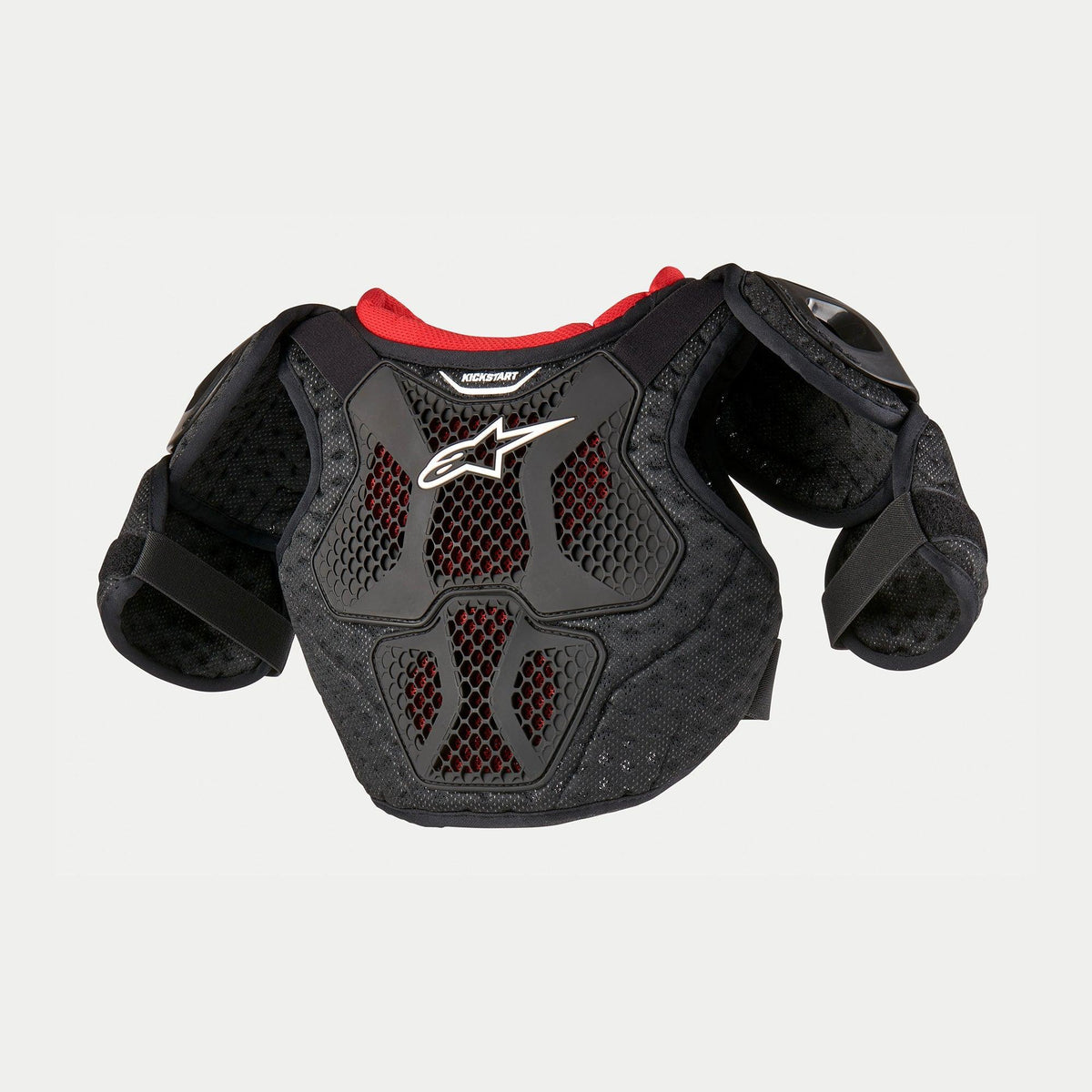
Ochraniacz Klatki Piersiowej Bionic Action Kickstart Młodzieżowe -
Kołnierz Ochronny Młodzieżowy -
Kołnierz Ochronny Bns Tech 2 -
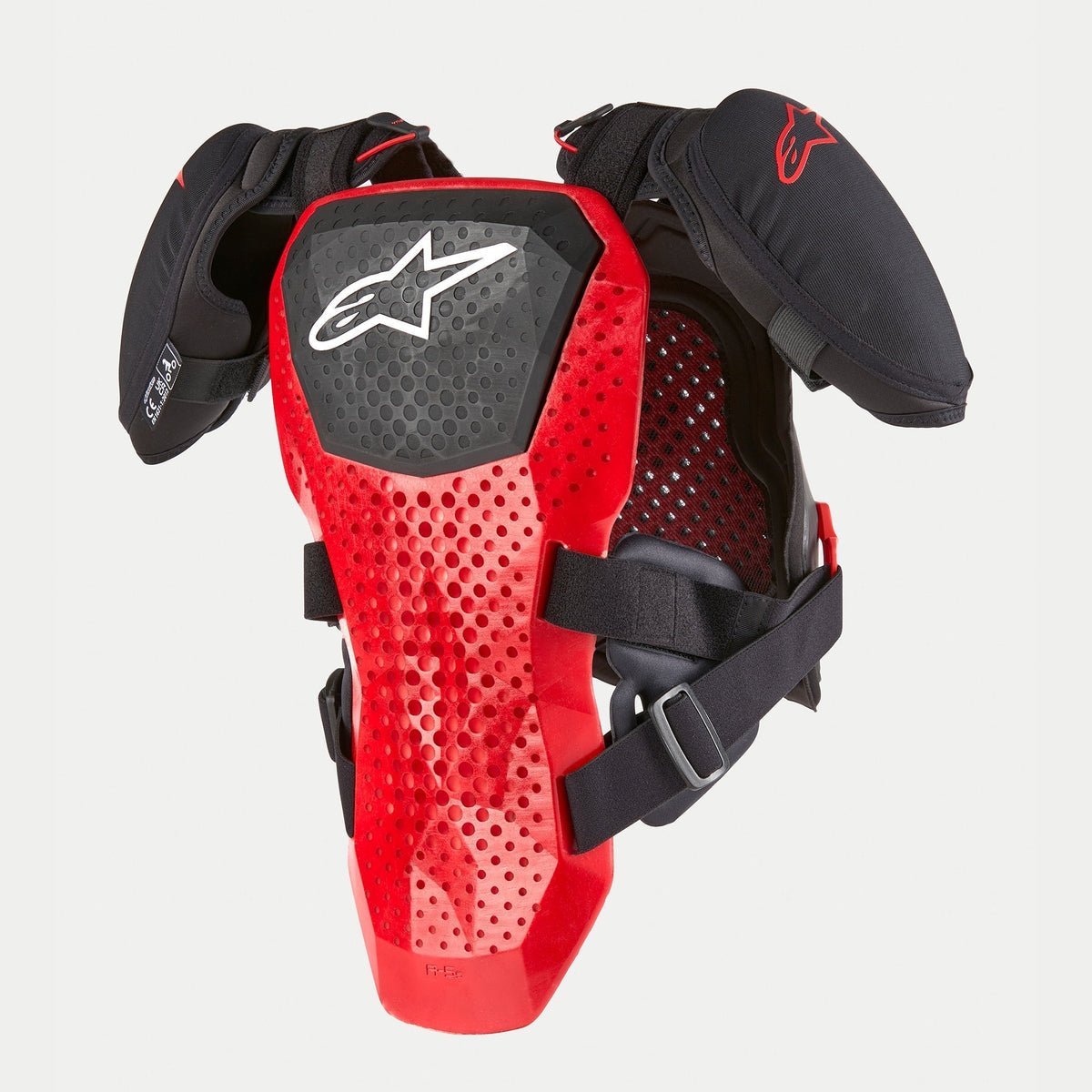
Ochraniacz Klatki Piersiowej A-5 S Młodzieżowy -
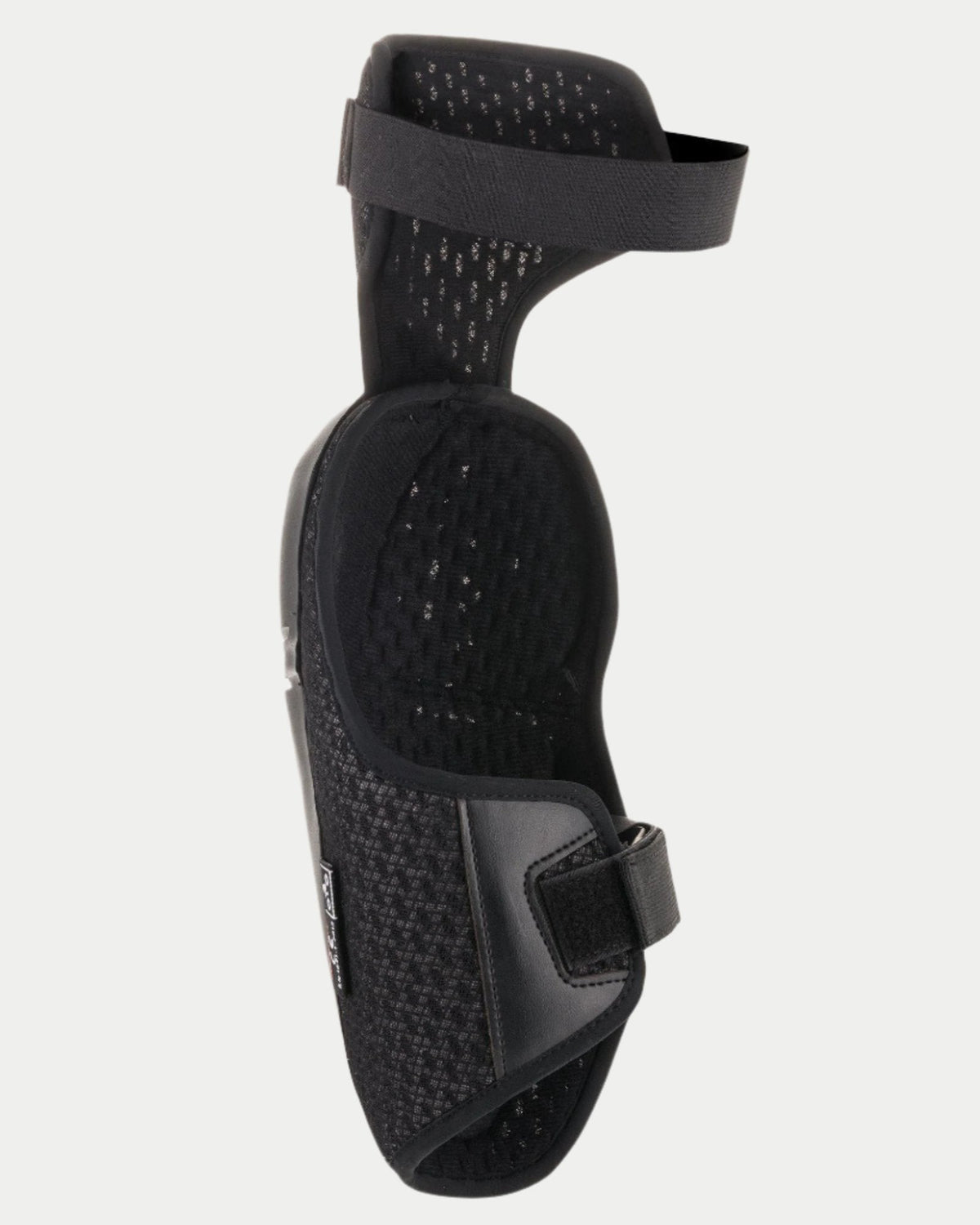
Ochraniacze Łokci Bionic Flex -
Kołnierz Ochronny Sequence Młodzieżowy -
Kołnierz Ochronny Młodzieżowy -
Pas Lędźwiowy Sequence Dziecięce -
Ochraniacze Kolan Bionic Plasma Młodzieżowe -
Ochraniacze Kolan SX-1 Młodzieżowe -
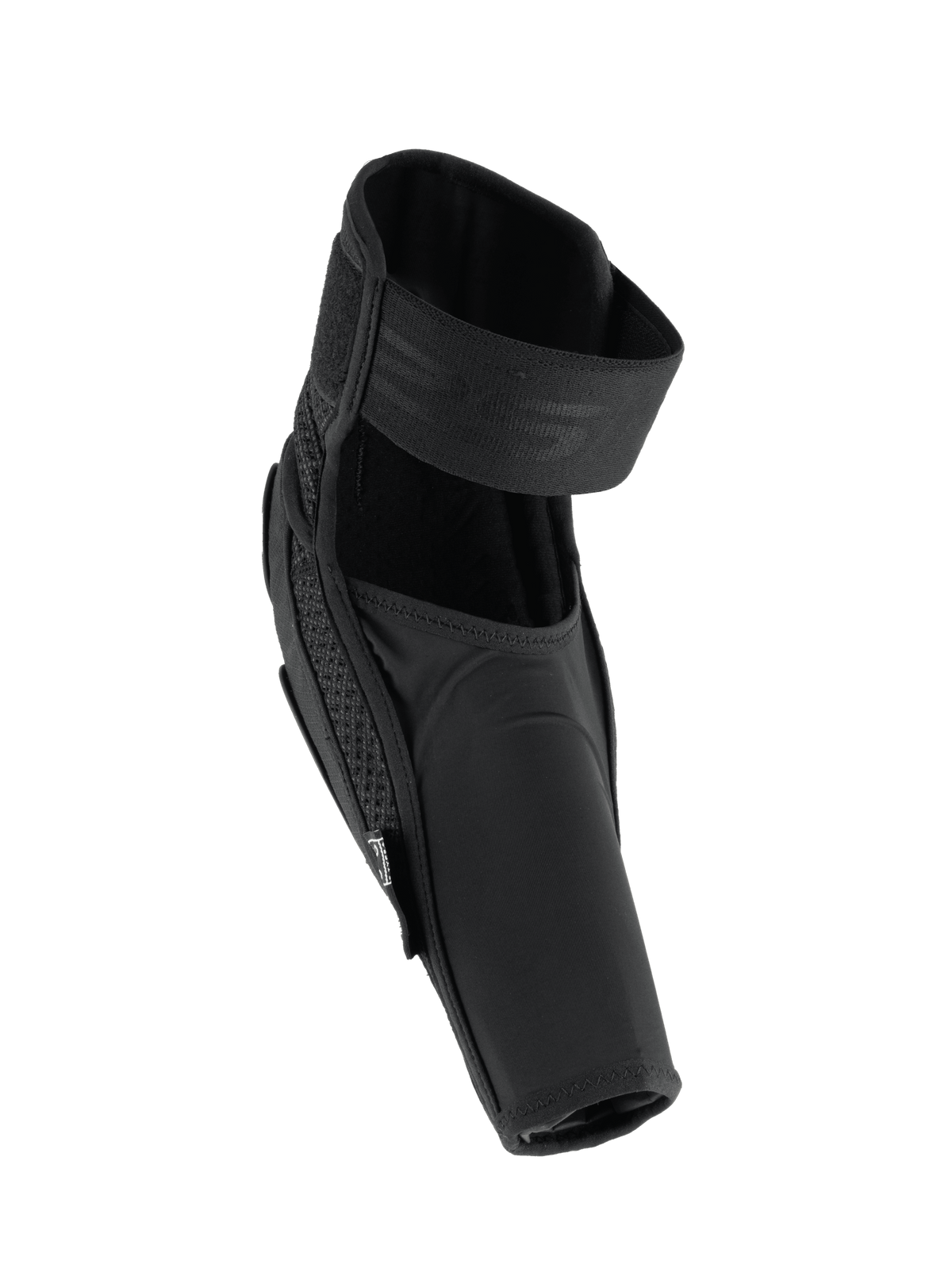
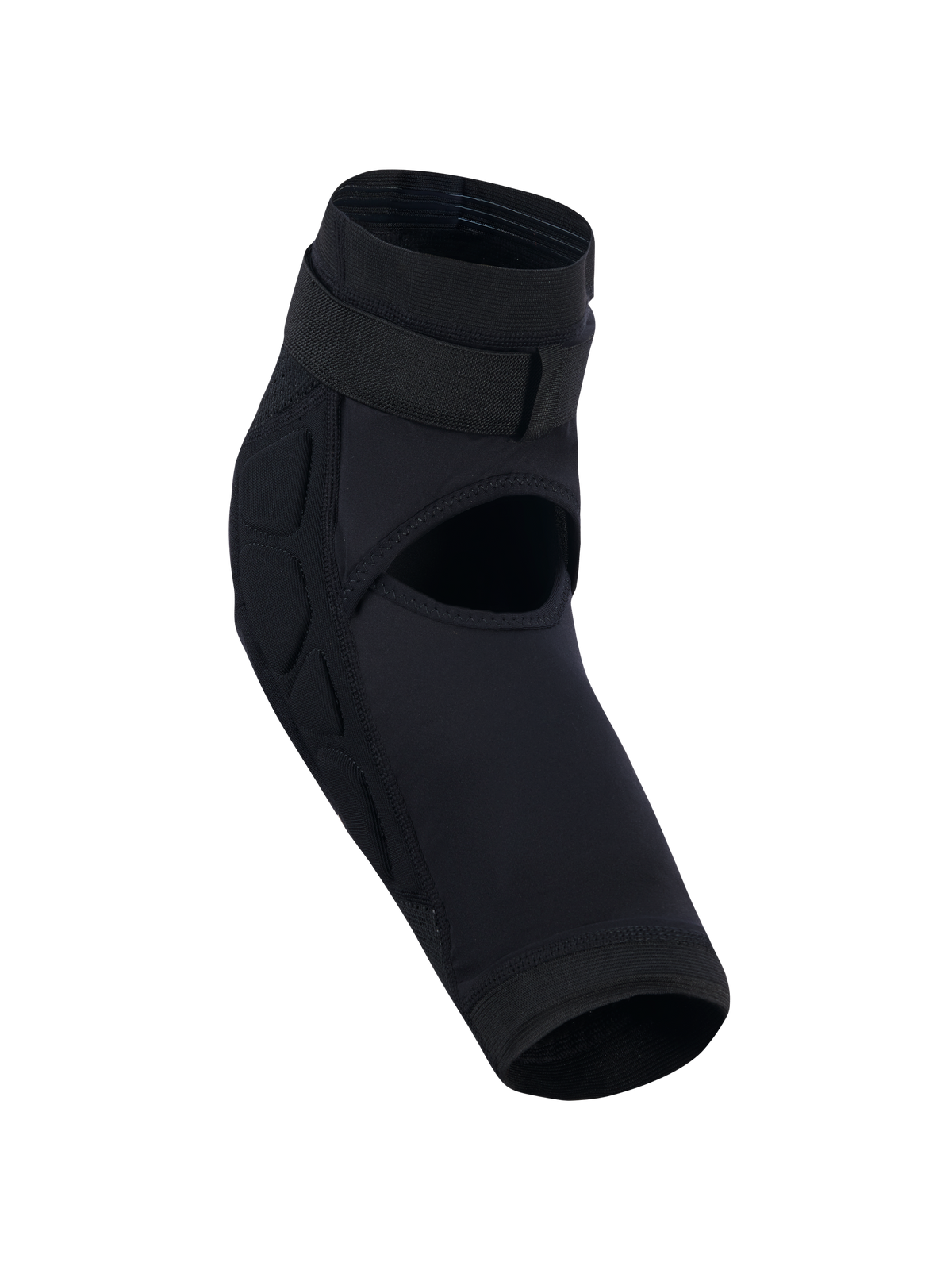
Ochraniacze Łokci Bionic Plus


















































Często zadawane pytania Ukryj FAQ
Czym różni się deflektor roost od ochrony ciała MX z certyfikatem CE?
Deflektory roost są przeznaczone przede wszystkim do ochrony przed kamieniami i odłamkami wyrzucanymi spod kół oraz lekkimi uderzeniami, natomiast ochraniacze klatki piersiowej i pleców z certyfikatem CE są projektowane tak, aby tłumić energię uderzenia podczas wypadku zgodnie z określonymi normami ochrony przed uderzeniami.
| Rodzaj ochrony | Główne przeznaczenie | Certyfikacja | Typowy sposób noszenia |
|---|---|---|---|
| Deflektor roost | Ochrona przed odłamkami i drobnymi uderzeniami | Często EN 14021 (osłona przed kamieniami) lub brak certyfikacji | Zwykle noszony na koszulce; bardzo dobra wentylacja |
| Ochraniacz klatki piersiowej i pleców | Pochłanianie energii uderzenia podczas wypadku | EN 1621-3 (klatka piersiowa) / EN 1621-2 (plecy), poziom 1 lub 2 | Często noszony pod koszulką, aby zapewnić dopasowanie blisko ciała |
Podczas jazdy na torze lub w bardziej wymagającym technicznie terenie wielu motocyklistów wybiera ochraniacze klatki piersiowej i pleców z certyfikatem CE ze względu na lepsze tłumienie uderzeń. W zależności od warunków czasem łączą je z lekką skorupą deflektora roost.
Czy ochronę ciała MX należy nosić pod koszulką czy na niej i jak powinna być dopasowana?
Smukłe ochraniacze klatki piersiowej i pleców z certyfikatem CE zazwyczaj nosi się pod koszulką, aby zapewnić stabilne dopasowanie blisko ciała. Deflektory roost często nosi się na koszulce, co ułatwia szybkie zakładanie i zdejmowanie oraz zapewnia maksymalny przepływ powietrza. Oba sposoby są właściwe, o ile ochraniacz pozostaje wyśrodkowany, nie podsuwa się do góry i nie ogranicza ruchów ramion ani głowy.
Dobierz rozmiar na podstawie obwodu klatki piersiowej i długości tułowia, a następnie wyreguluj paski tak, aby mostek, żebra i kręgosłup były osłonięte bez odstających miejsc. W pozycji do jazdy ochraniacz nie powinien stykać się z kaskiem, kolidować z kołnierzem ochronnym (jeśli jest używany) ani przesuwać się podczas hamowania i lądowań.
Jakie normy bezpieczeństwa dotyczą ochrony ciała MX i co oznaczają poziomy 1 i 2?
Osłony przed kamieniami do jazdy off-road mogą być oznaczone normą EN 14021, która dotyczy ochrony przed kamieniami i odłamkami wyrzucanymi spod kół. Ochraniacze pochłaniające energię uderzenia zazwyczaj mają oznaczenie EN 1621-3 dla klatki piersiowej oraz EN 1621-2 dla pleców. Każda z tych dwóch norm przewiduje poziomy 1 i 2 — poziom 2 oznacza niższą siłę przenoszoną na ciało, czyli lepsze tłumienie uderzeń w standardowych testach.
Wybierz poziom w zależności od akceptowanego ryzyka i stylu jazdy: poziom 2 zapewnia większe tłumienie uderzeń, ale może wiązać się z nieco większą masą lub słabszą wentylacją niż poziom 1. Zawsze sprawdzaj etykietę lub opis produktu, aby potwierdzić dokładną normę i poziom ochrony.
Czy mogę używać ochraniacza klatki piersiowej i pleców z kołnierzem ochronnym lub torbą hydracyjną?
Tak. Wiele systemów ochrony ciała MX jest projektowanych z myślą o kompatybilności z kołnierzami ochronnymi i torbami. Szukaj regulacji na ramionach, niskoprofilowych kołnierzy oraz modułowych paneli, aby kołnierz ochronny mógł prawidłowo opierać się na ramionach, a płyta ochronna pleców pozwalała umieścić bukłak z wodą bez tworzenia punktów nacisku.
Sprawdź cały zestaw na motocyklu, aby upewnić się, że kołnierz ochronny opiera się na przewidzianych powierzchniach, a paski torby nie przesuwają ochrony. Jeśli szukasz rozwiązań do podparcia szyi, sprawdź naszą kolekcję ochraniaczy szyi; dodatkowe opcje ochrony tułowia znajdziesz w kolekcji ochraniaczy klatki piersiowej MX.
Jak czyścić i pielęgnować ochronę ciała MX?
Jeśli to możliwe, wyjmij miękkie wkłady, zapnij paski i najpierw spłucz zabrudzenia. Elementy tekstylne pierz ręcznie w zimnej wodzie z łagodnym detergentem, a twarde skorupy przecieraj wilgotną ściereczką. Nie używaj wybielaczy, rozpuszczalników ani płynów zmiękczających.
Susz na powietrzu, z dala od bezpośrednich źródeł ciepła i promieni słonecznych, a elementy zamontuj ponownie dopiero po całkowitym wyschnięciu. Po każdym poważniejszym wypadku sprawdź stan ochrony — wymień ochraniacze z pęknięciami, zgniecioną pianką lub odkształconymi panelami, aby zachować właściwości ochronne podczas uderzenia.