
Liczba wyników: 53
-
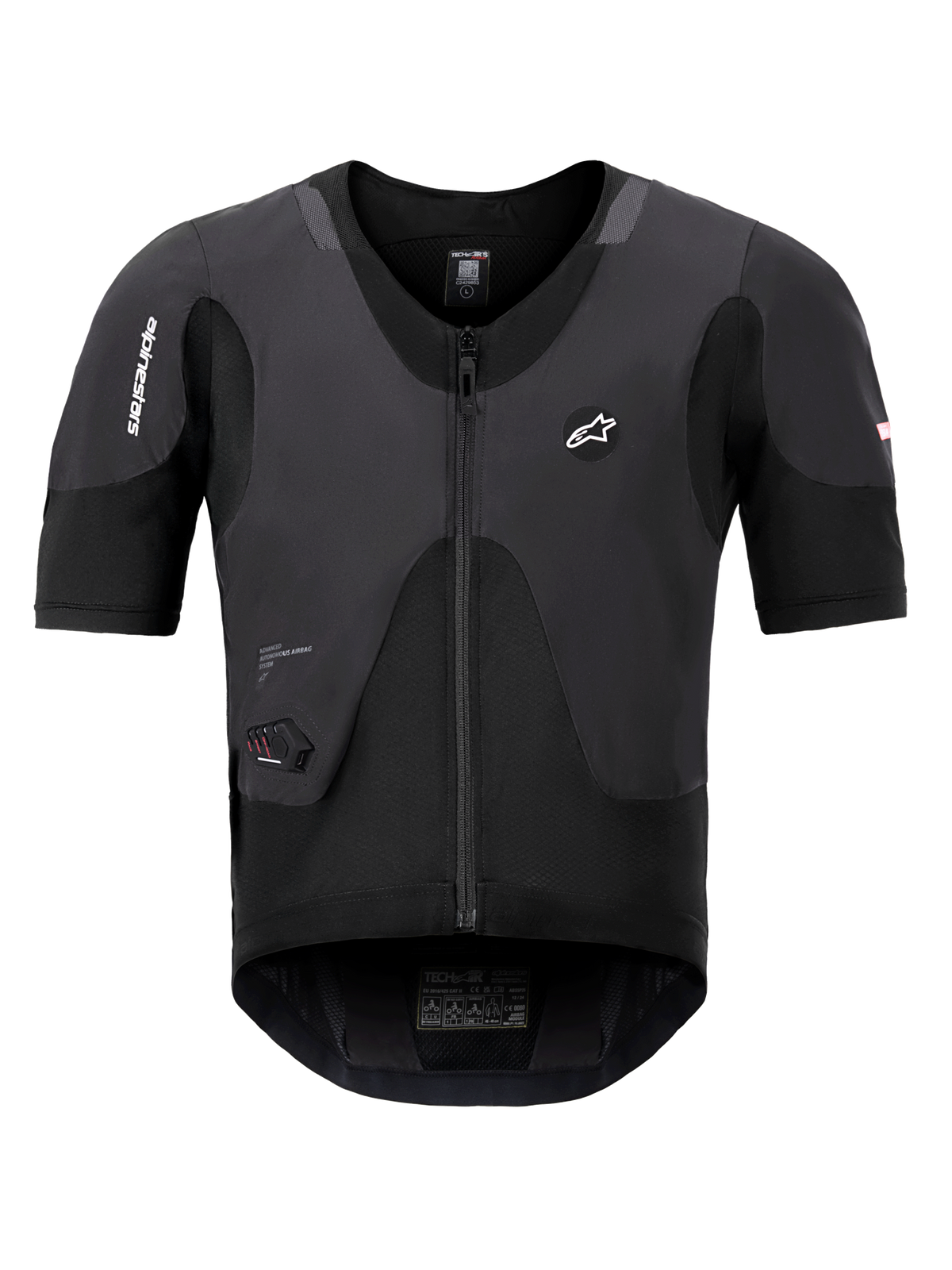
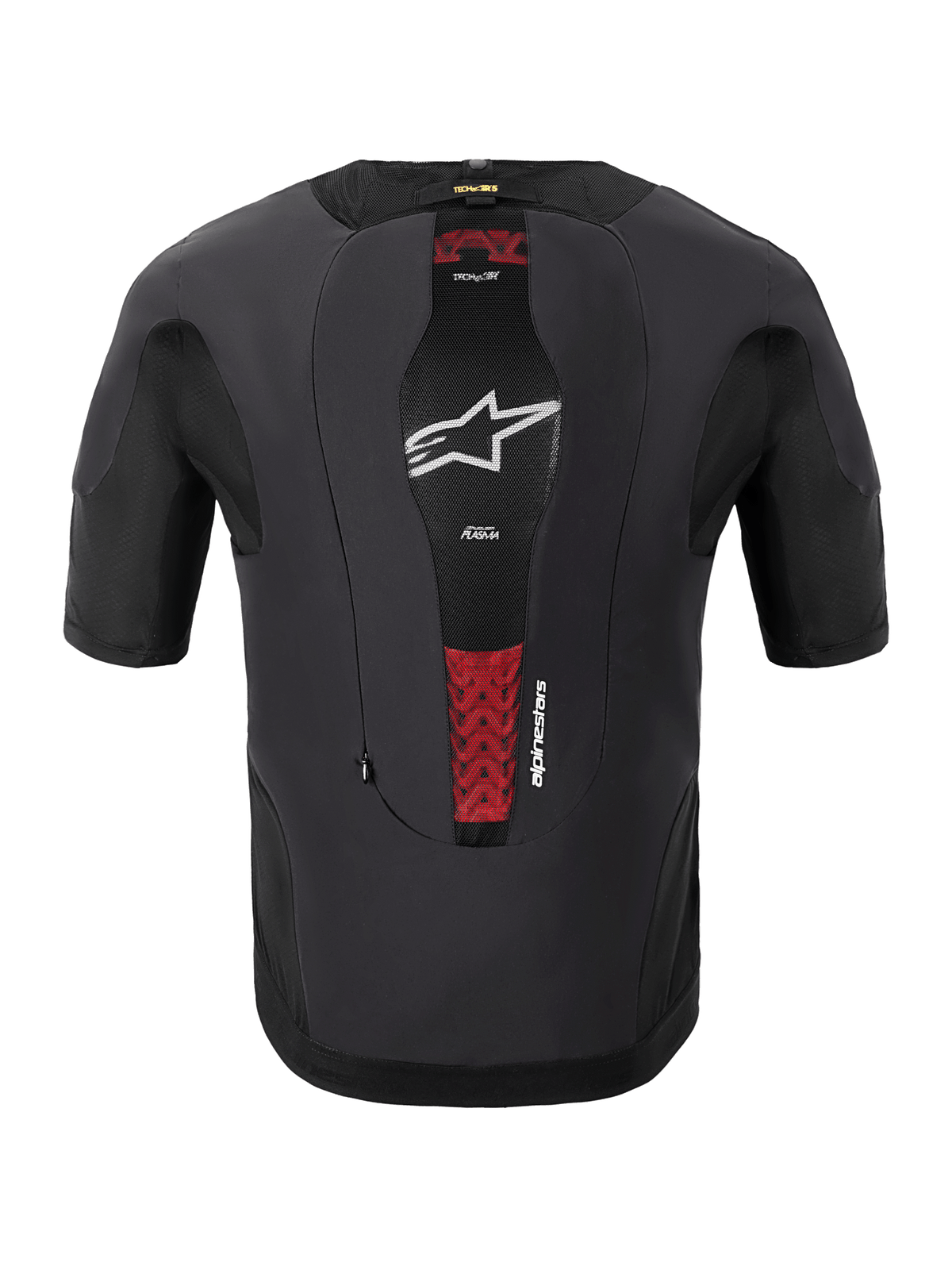
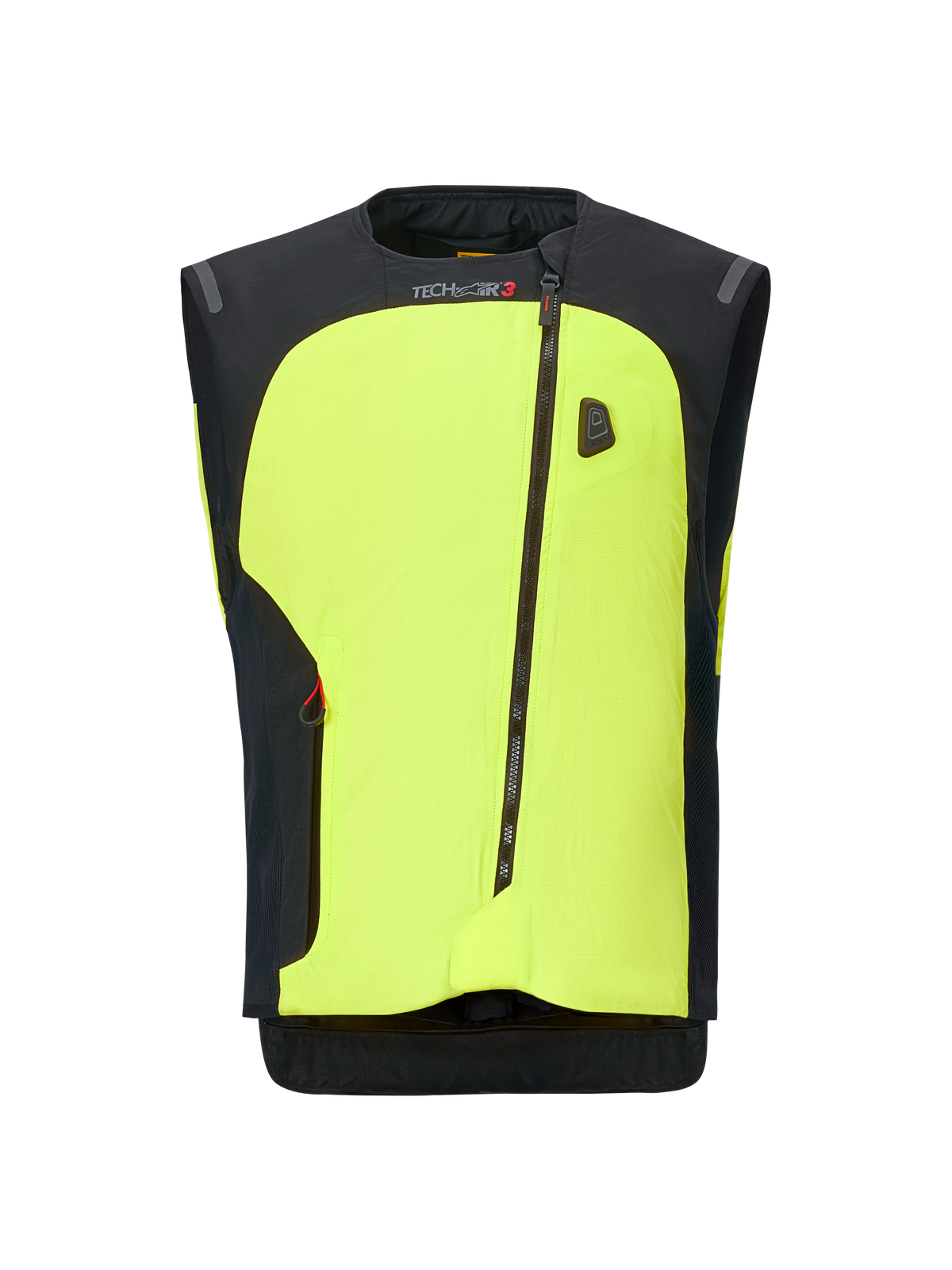
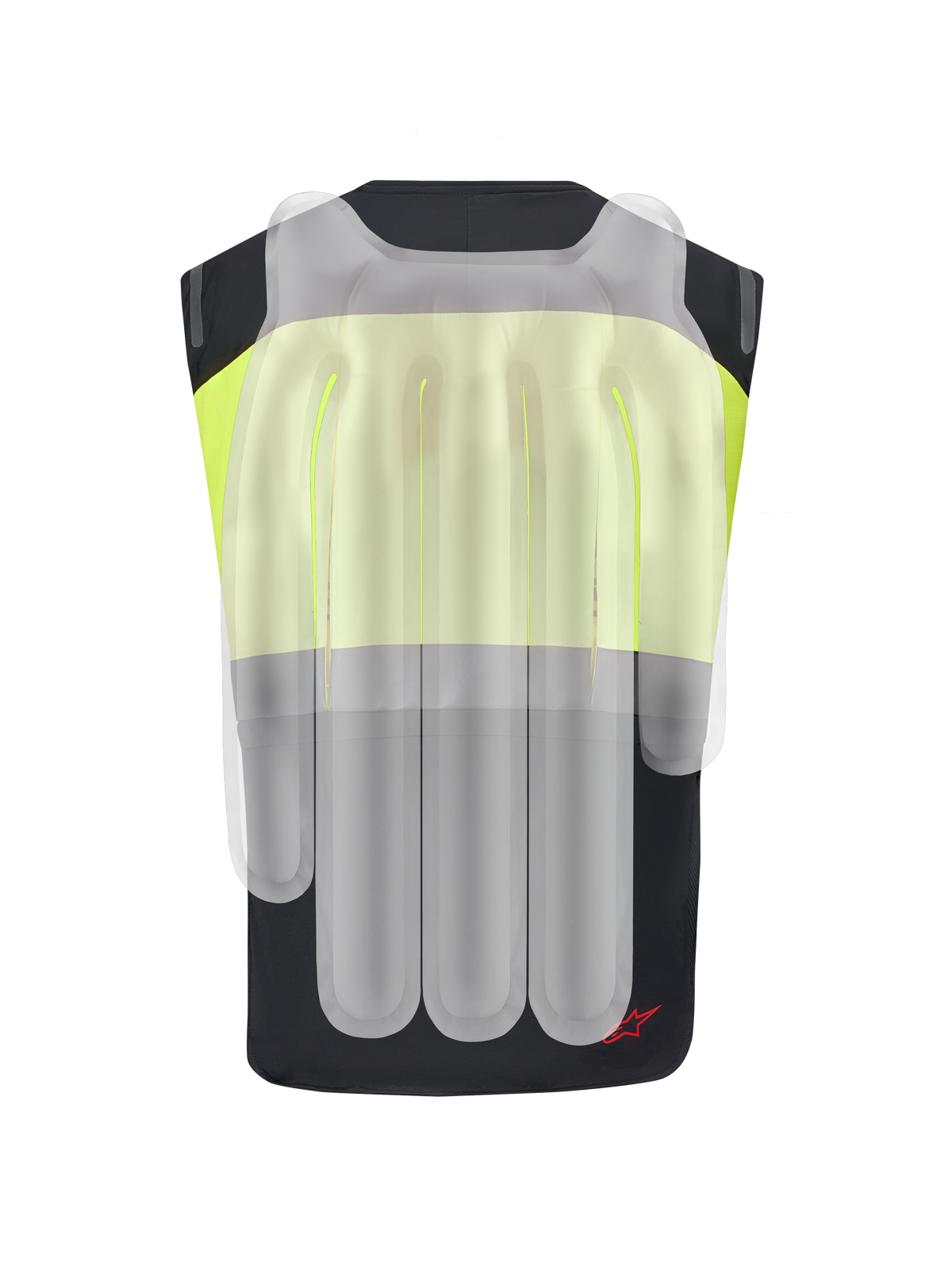
Poduszka Powietrzna Tech-Air® 5 Plasma -
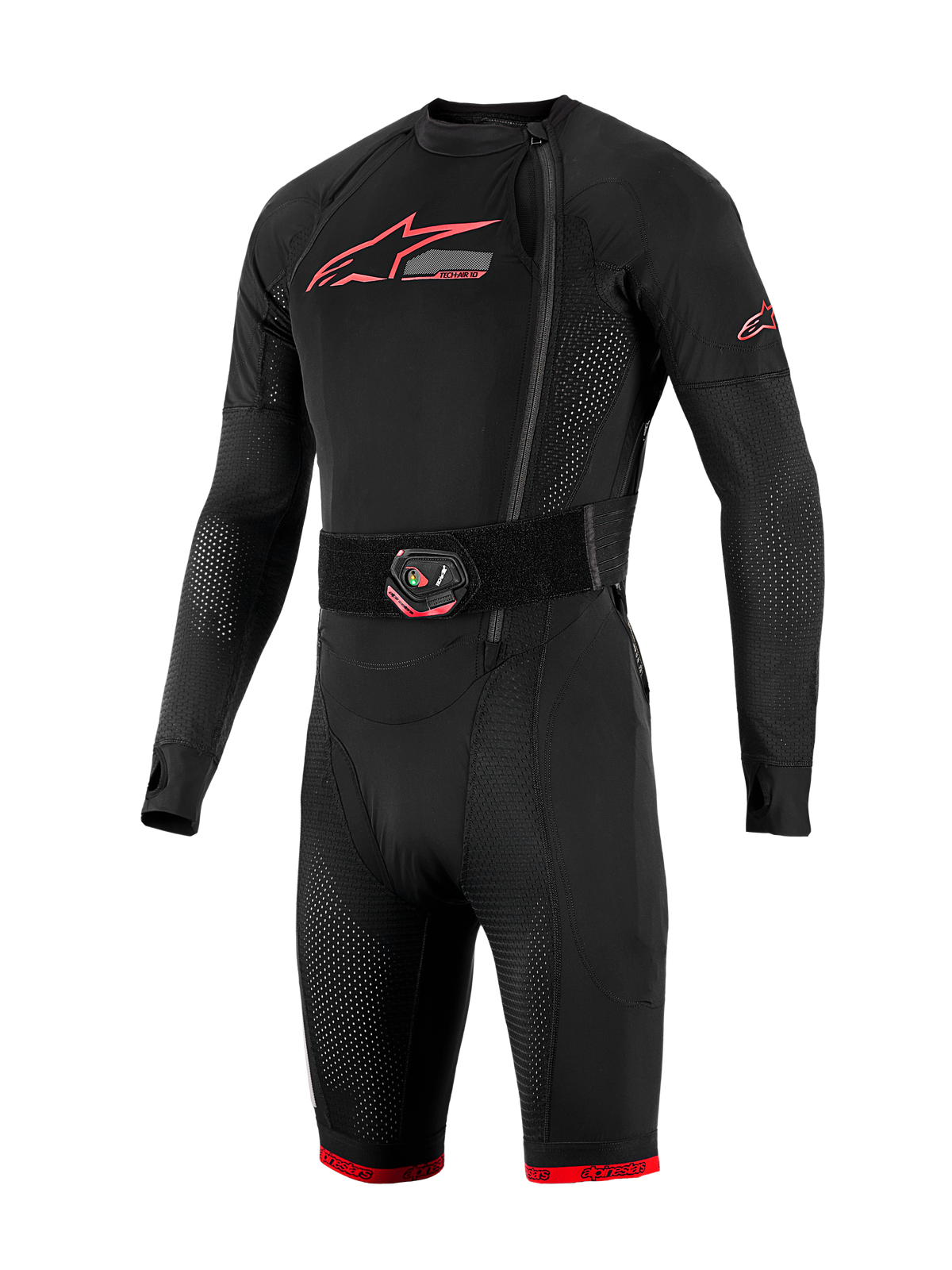
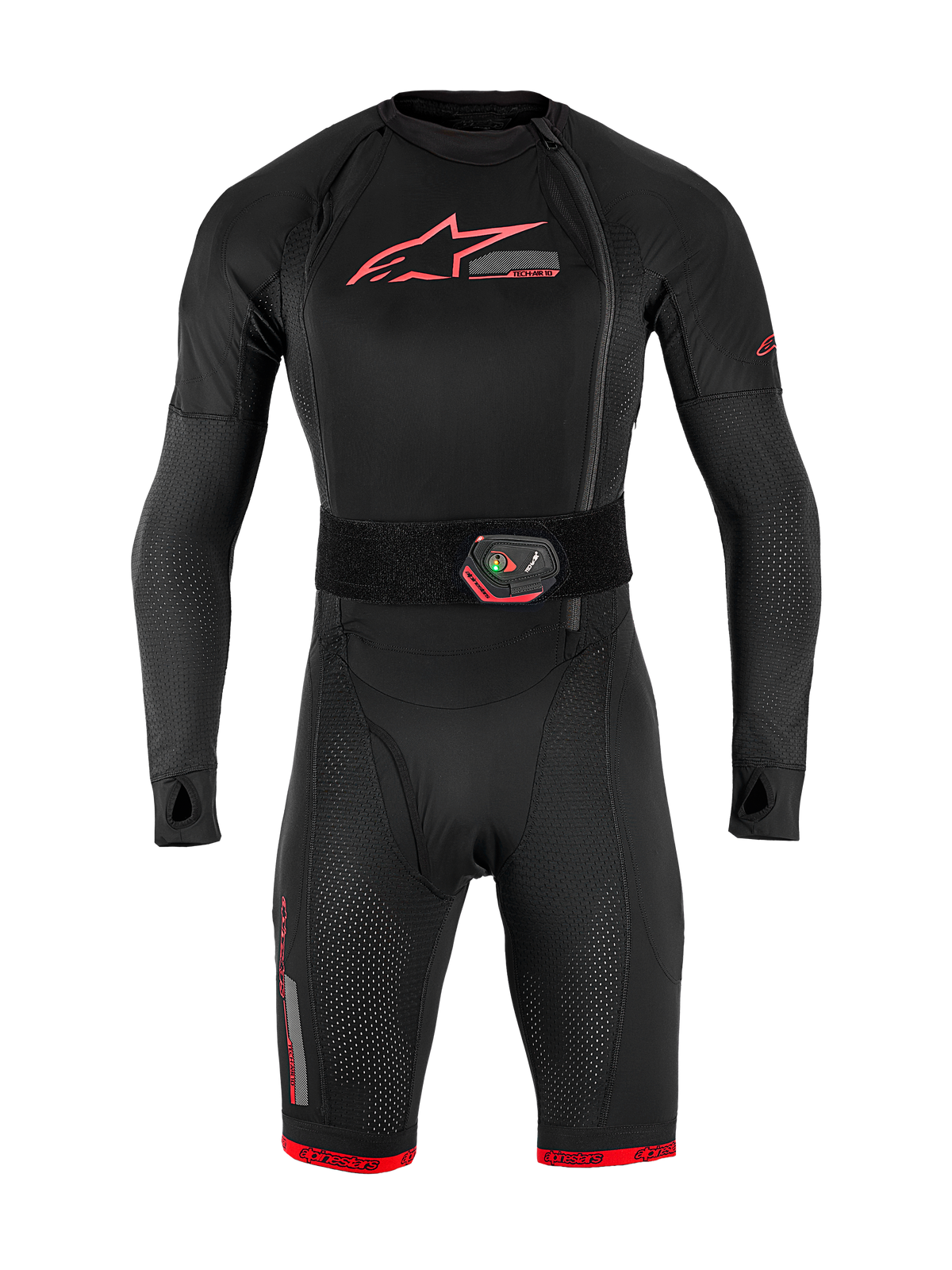
Poduszka Powietrzna Tech-Air® 10 V2 Race -
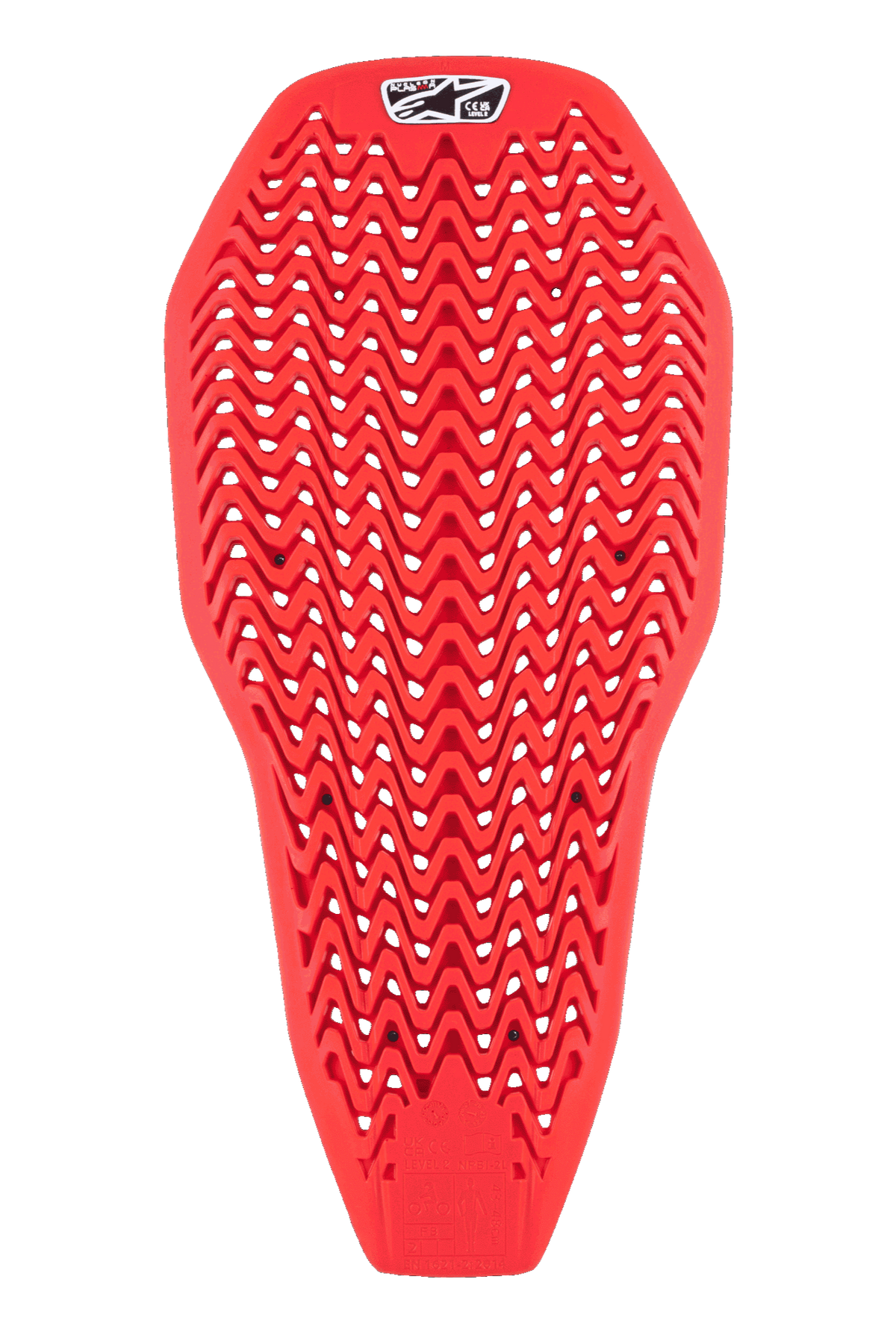
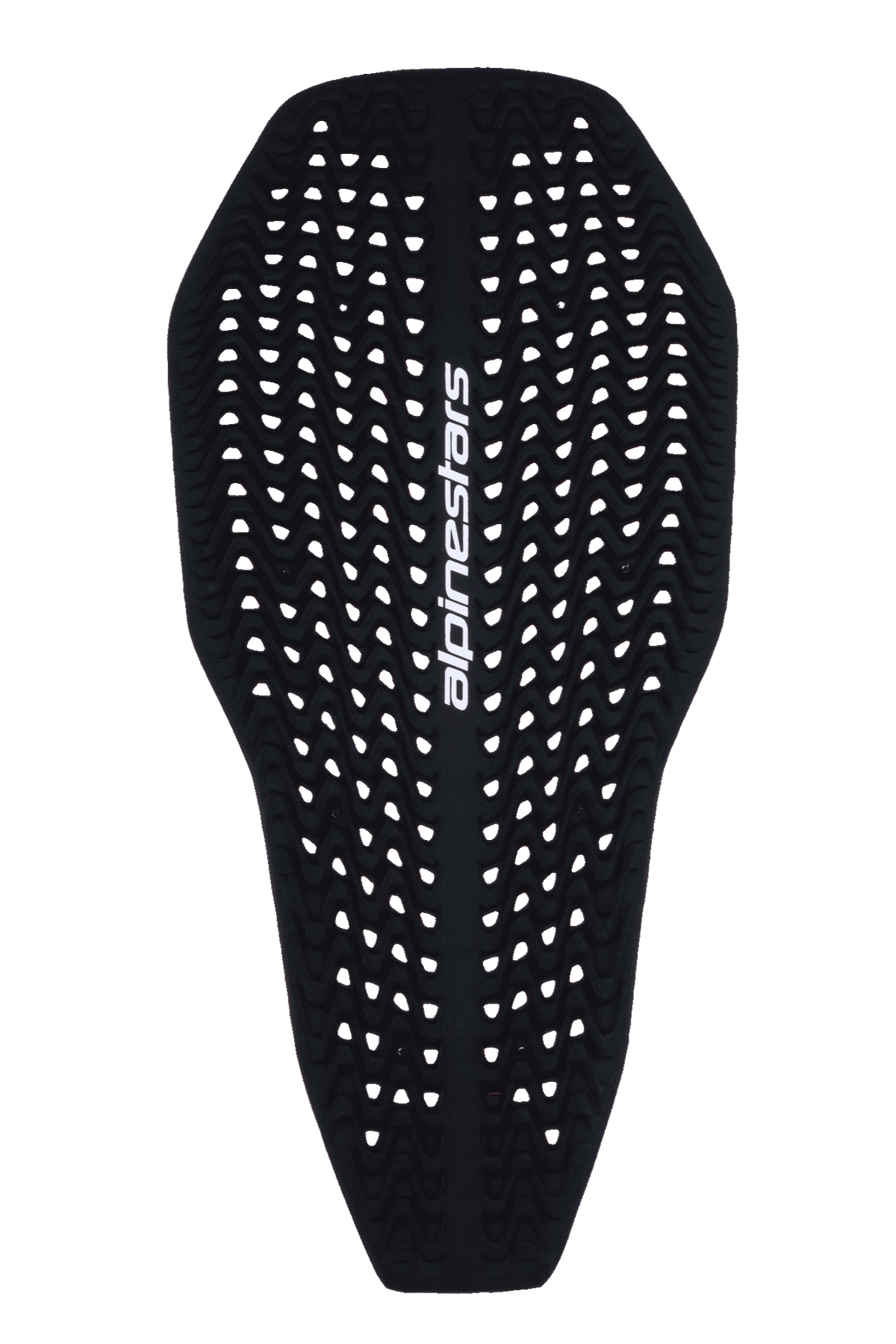
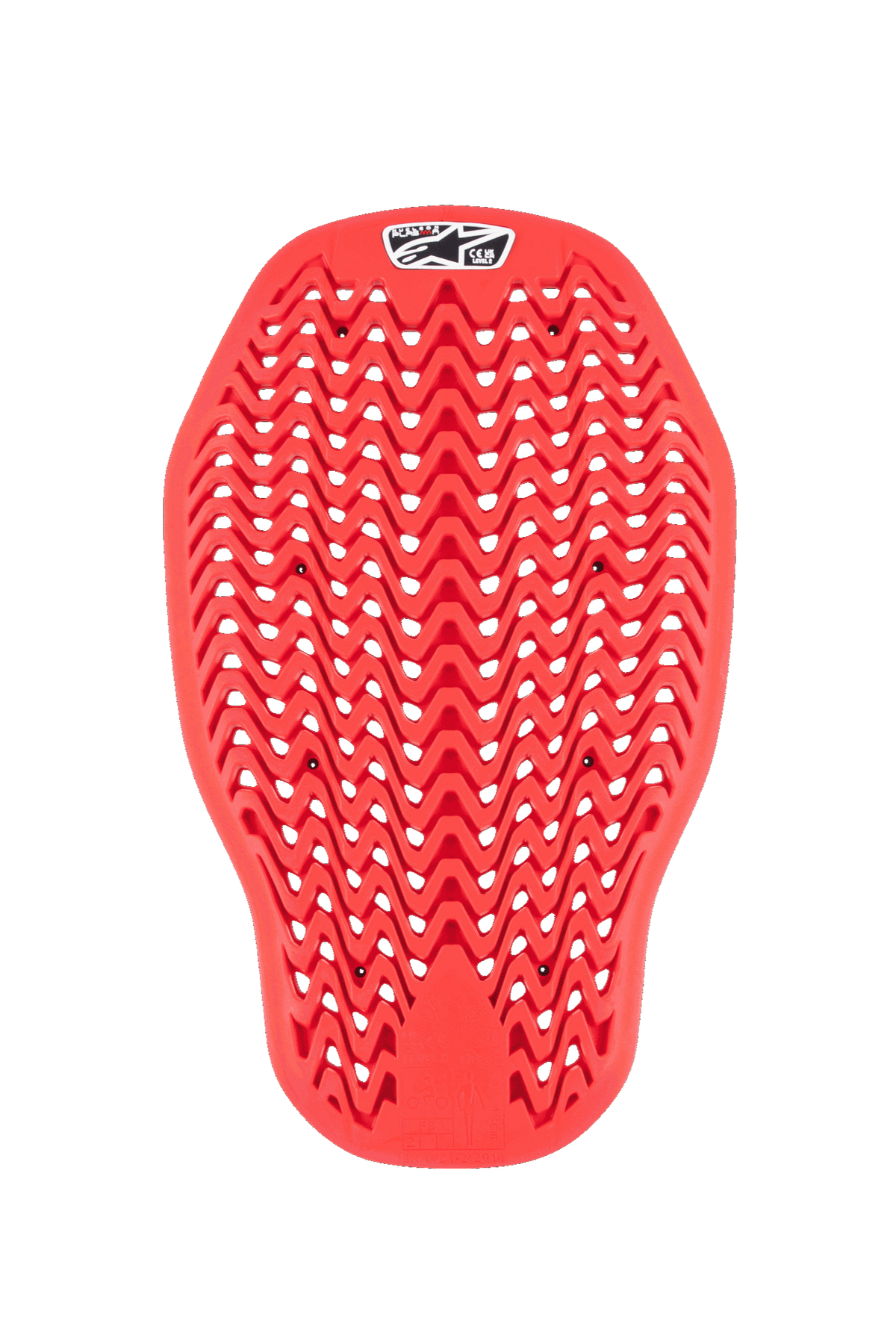
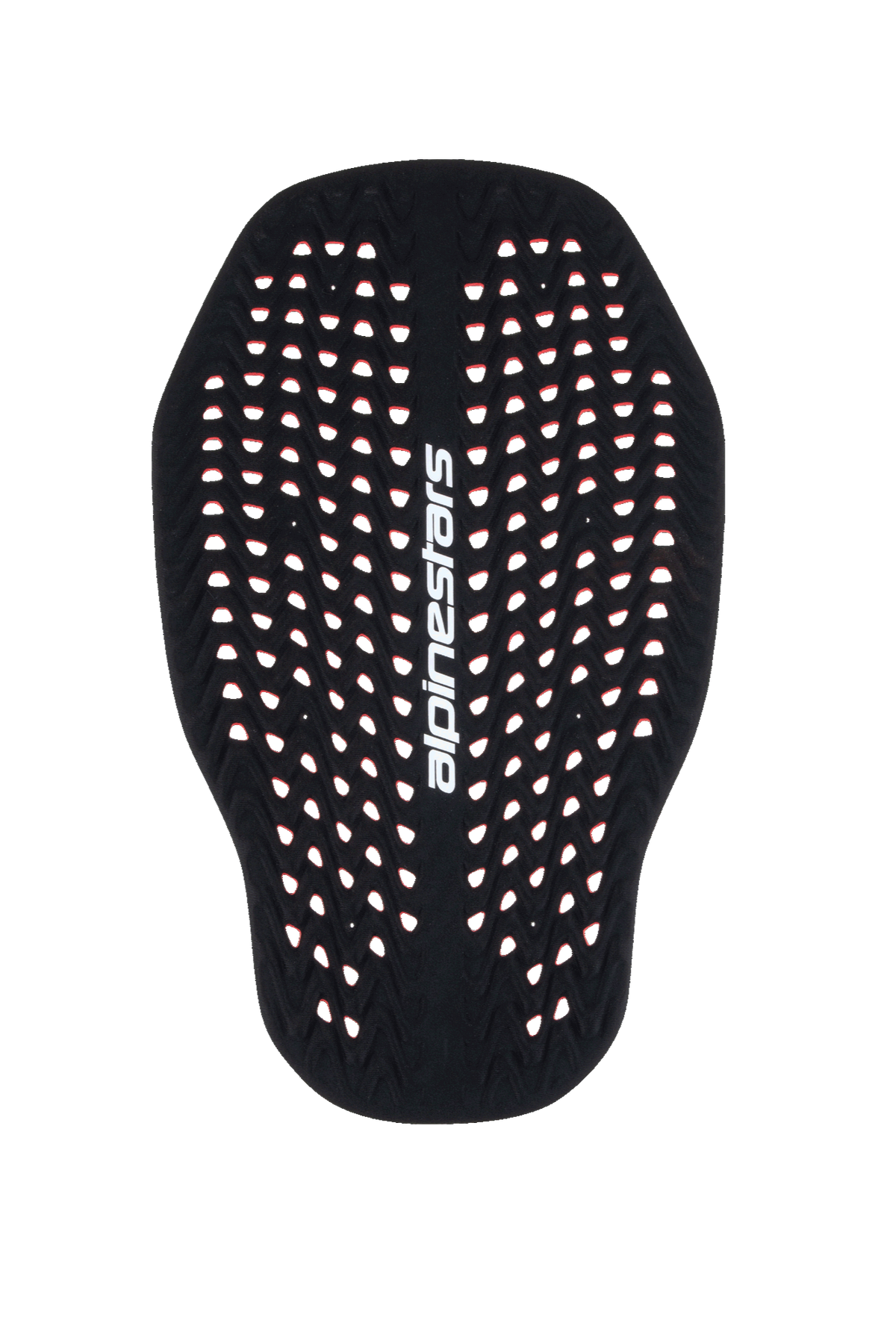
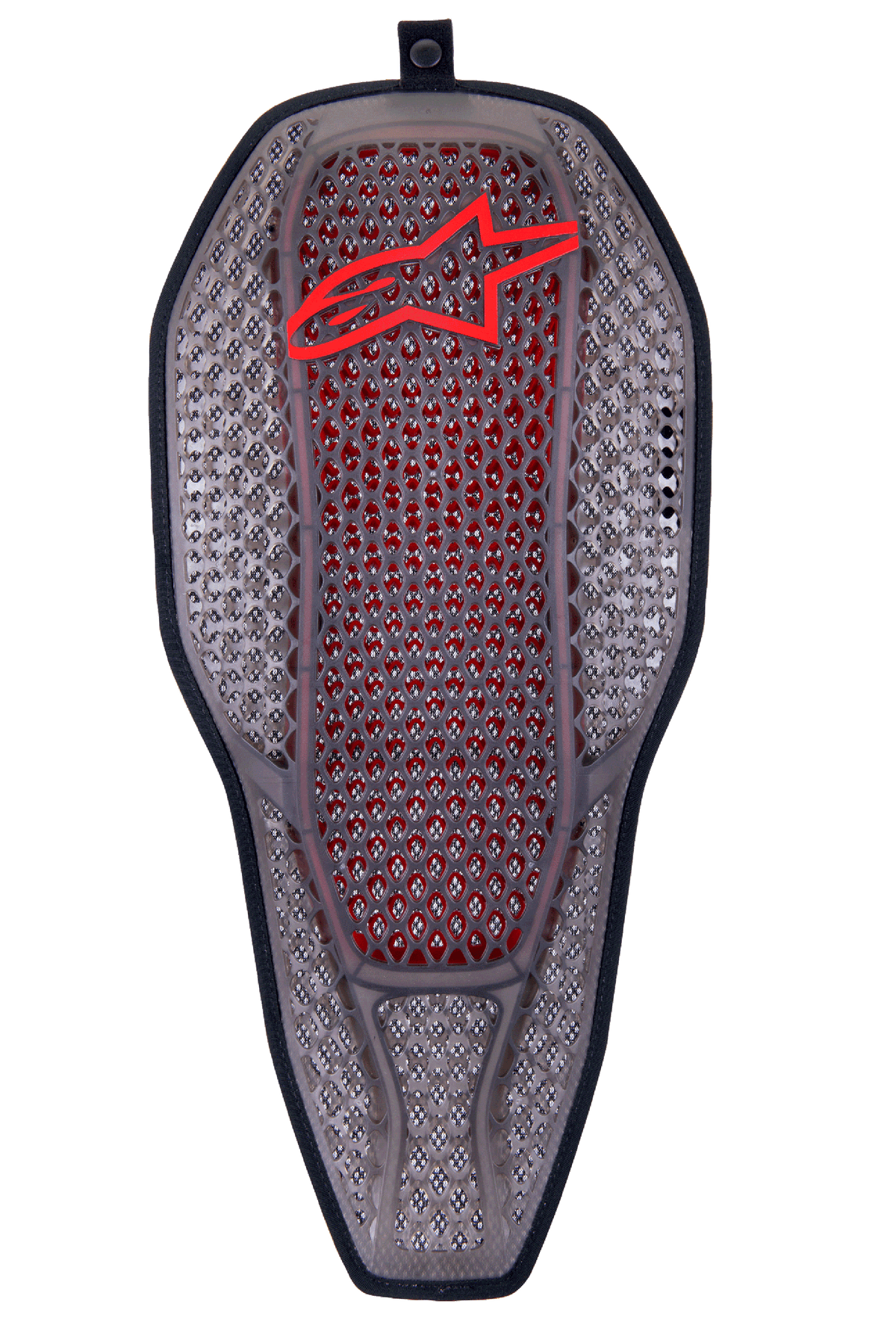
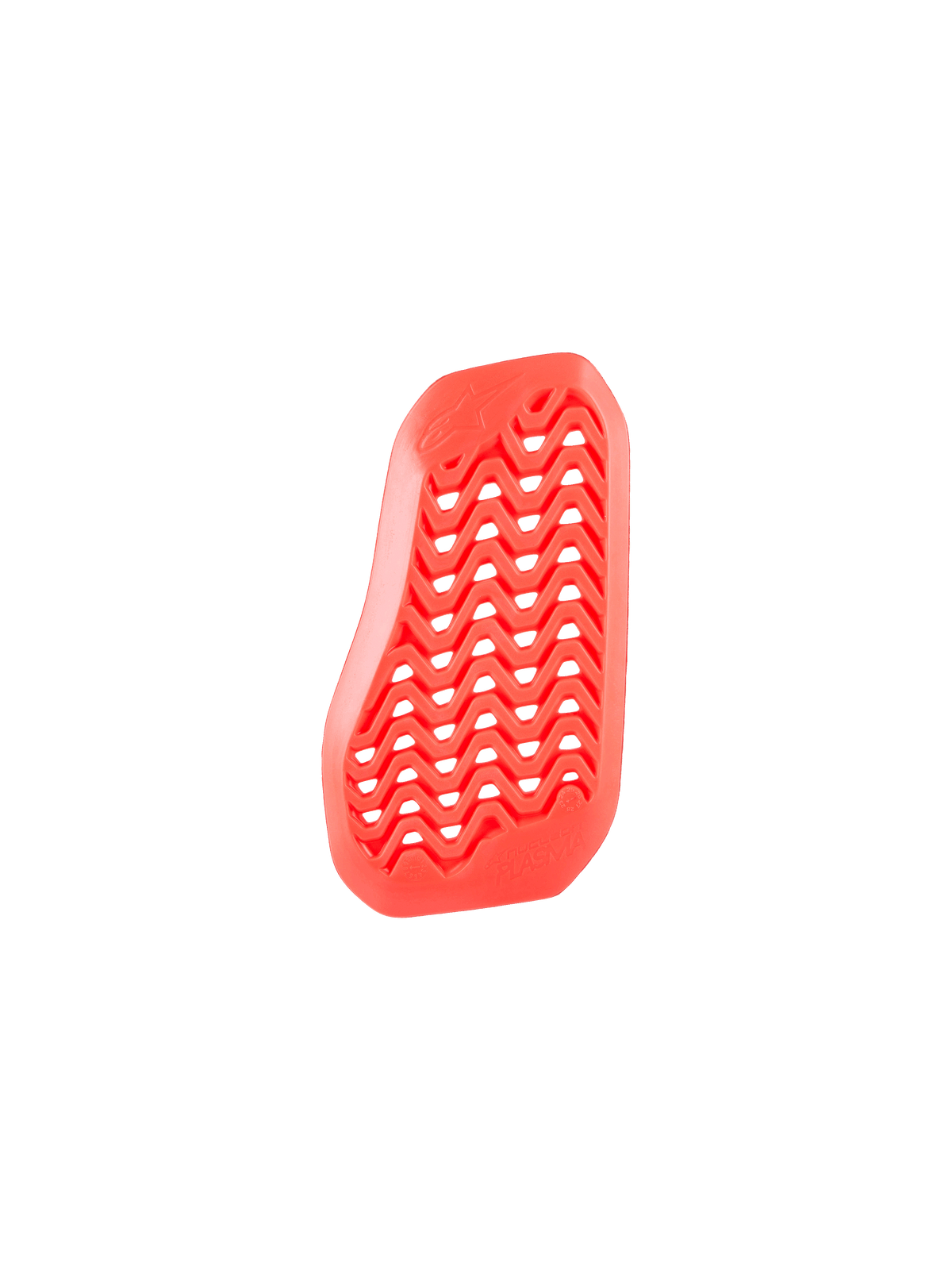
Wkład Do Ochraniacza Pleców Nucleon Plasma -
Wkład Do Ochraniacza Pleców Nucleon Plasma -
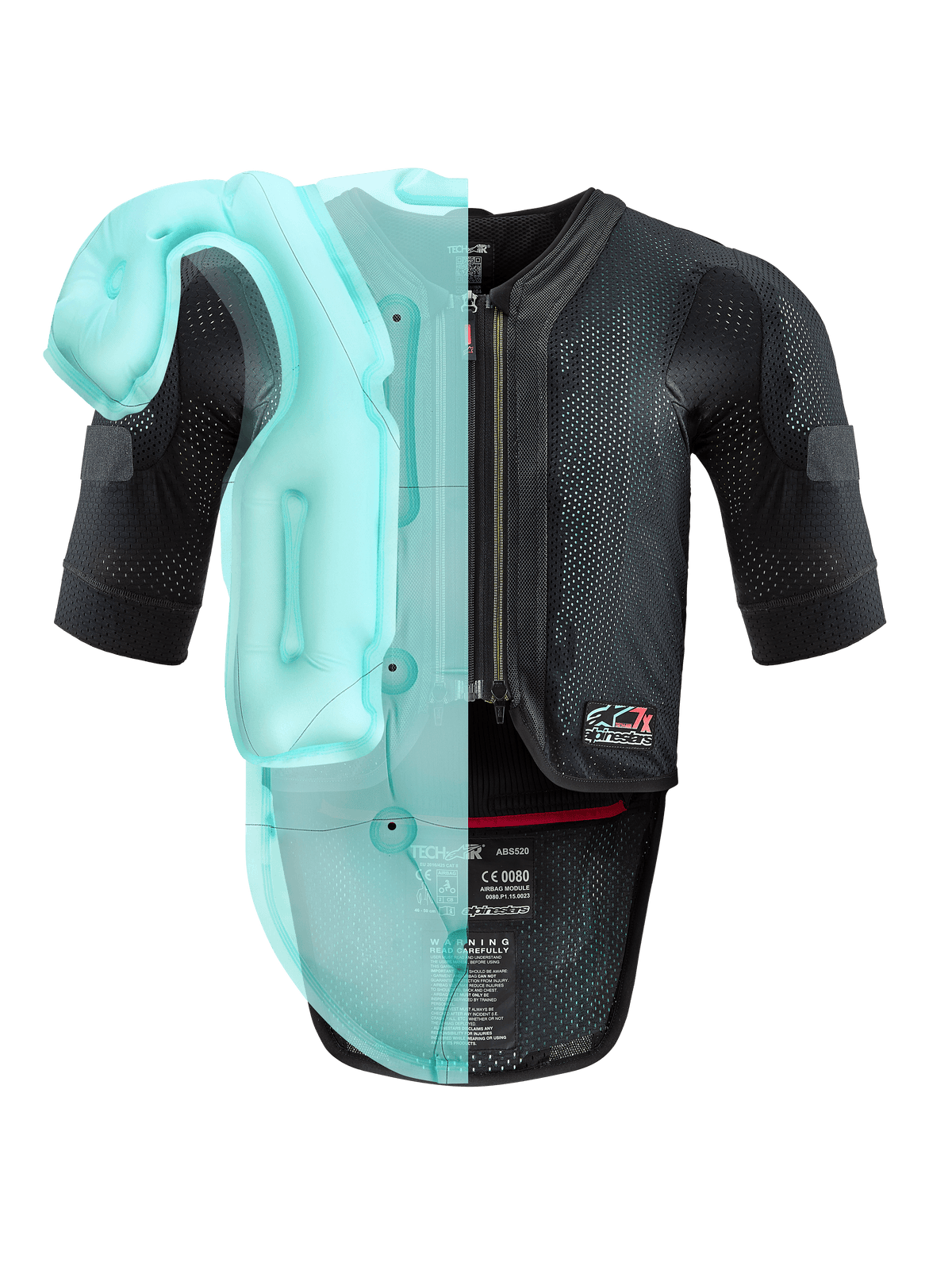
Poduszka Powietrzna Tech-Air® 7X -
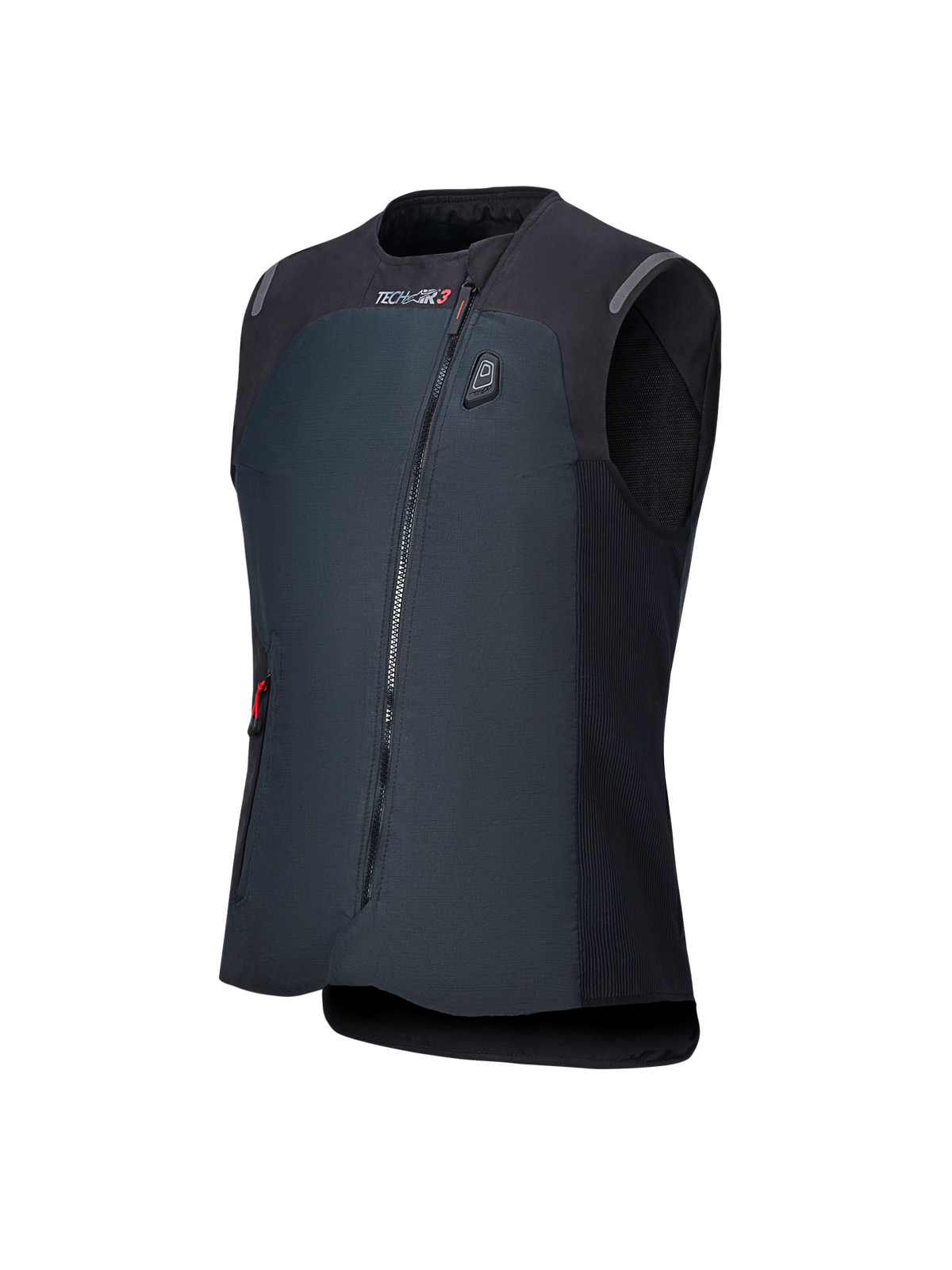
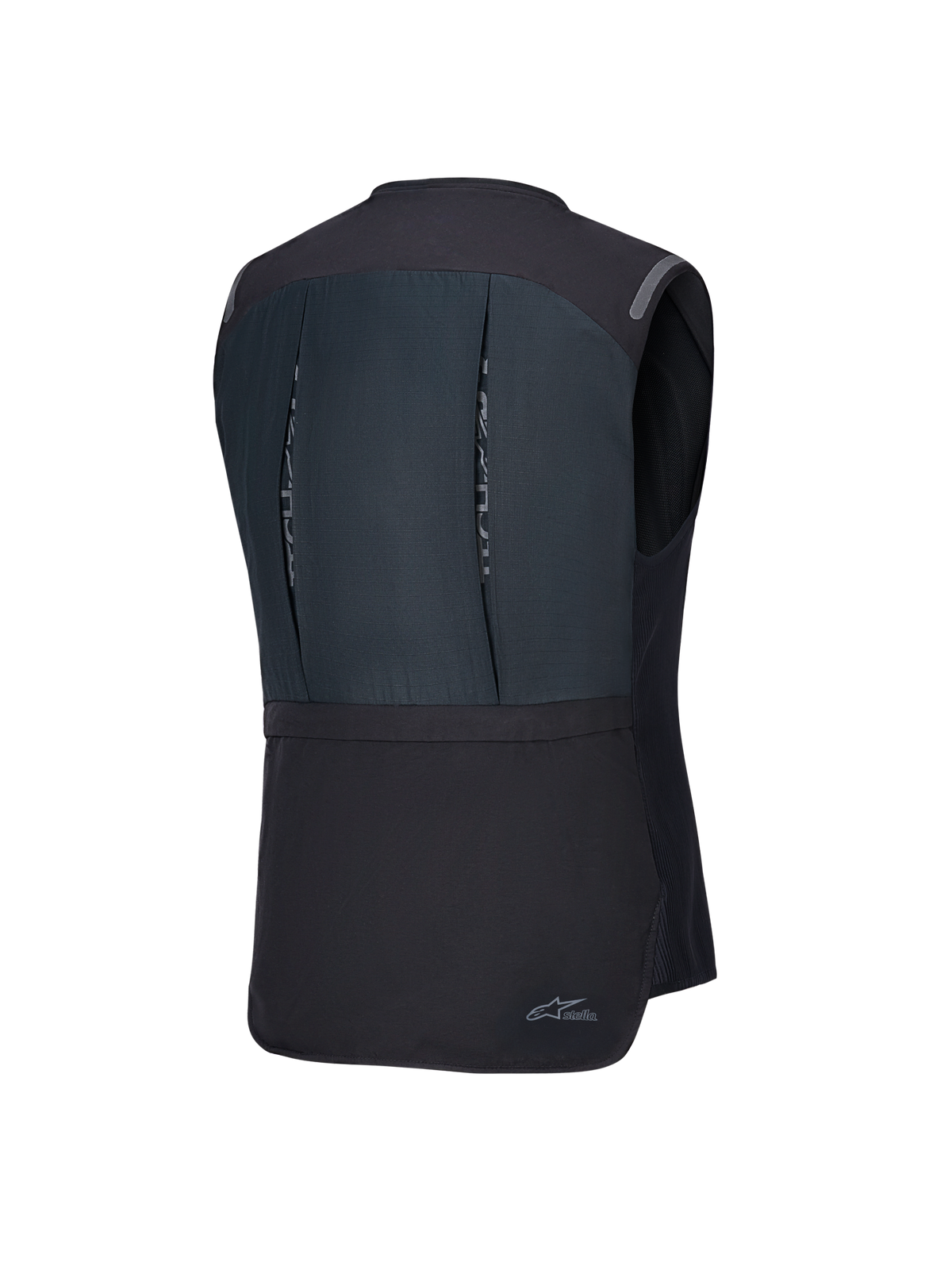
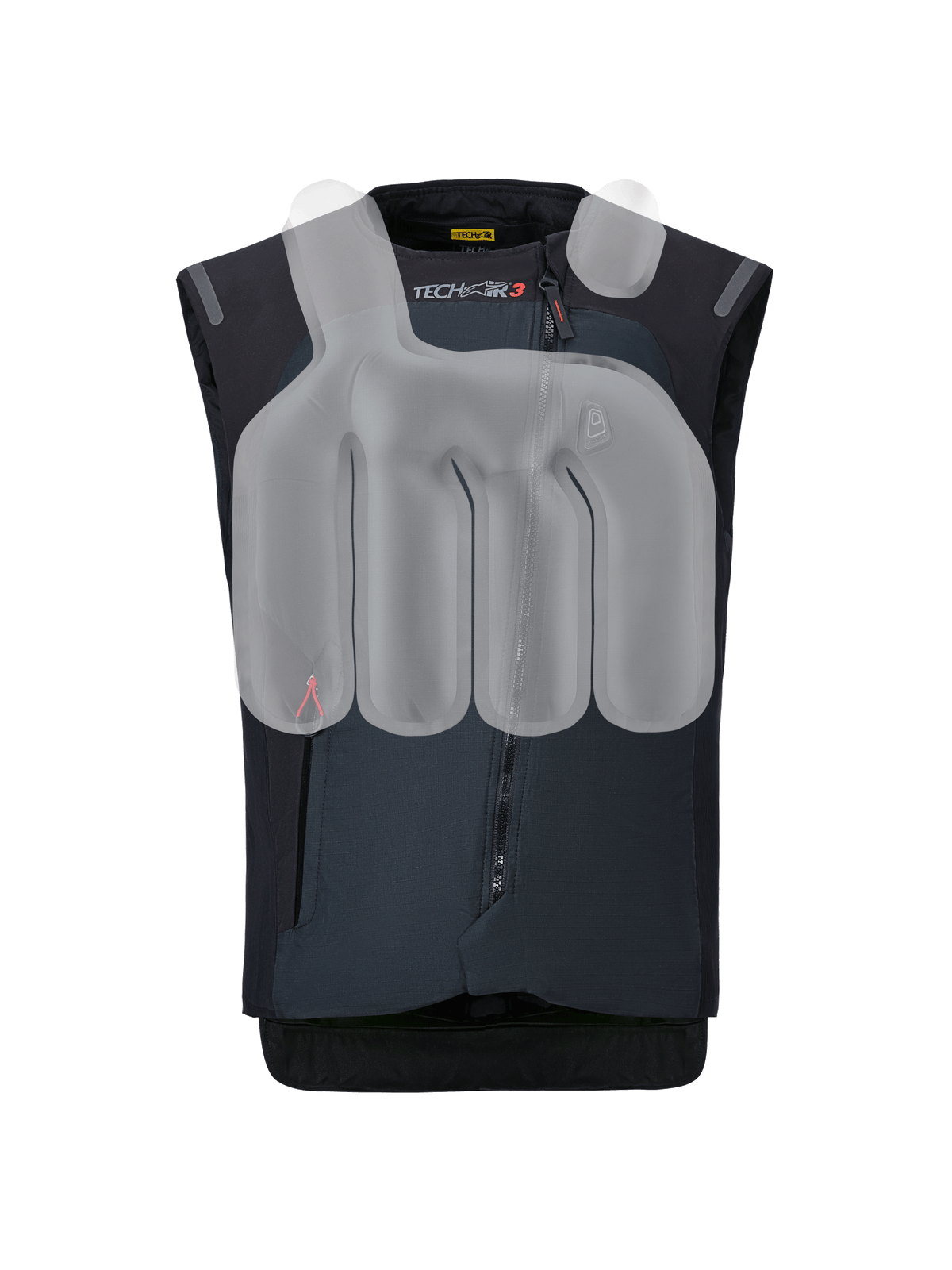
Poduszka Powietrzna Stella Tech-Air® 3 V2 -
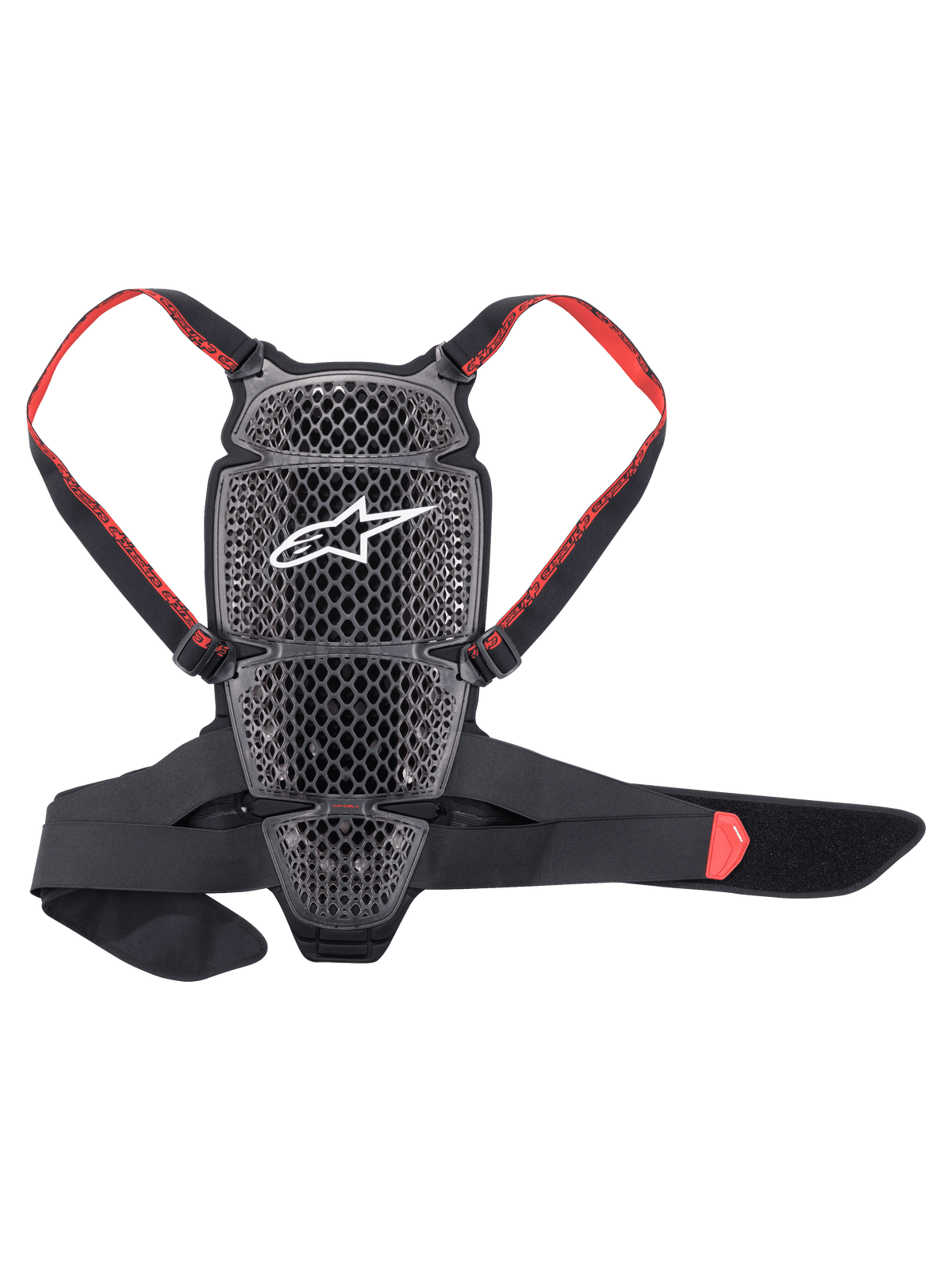
Ochraniacz Nucleon Kr-Cell -
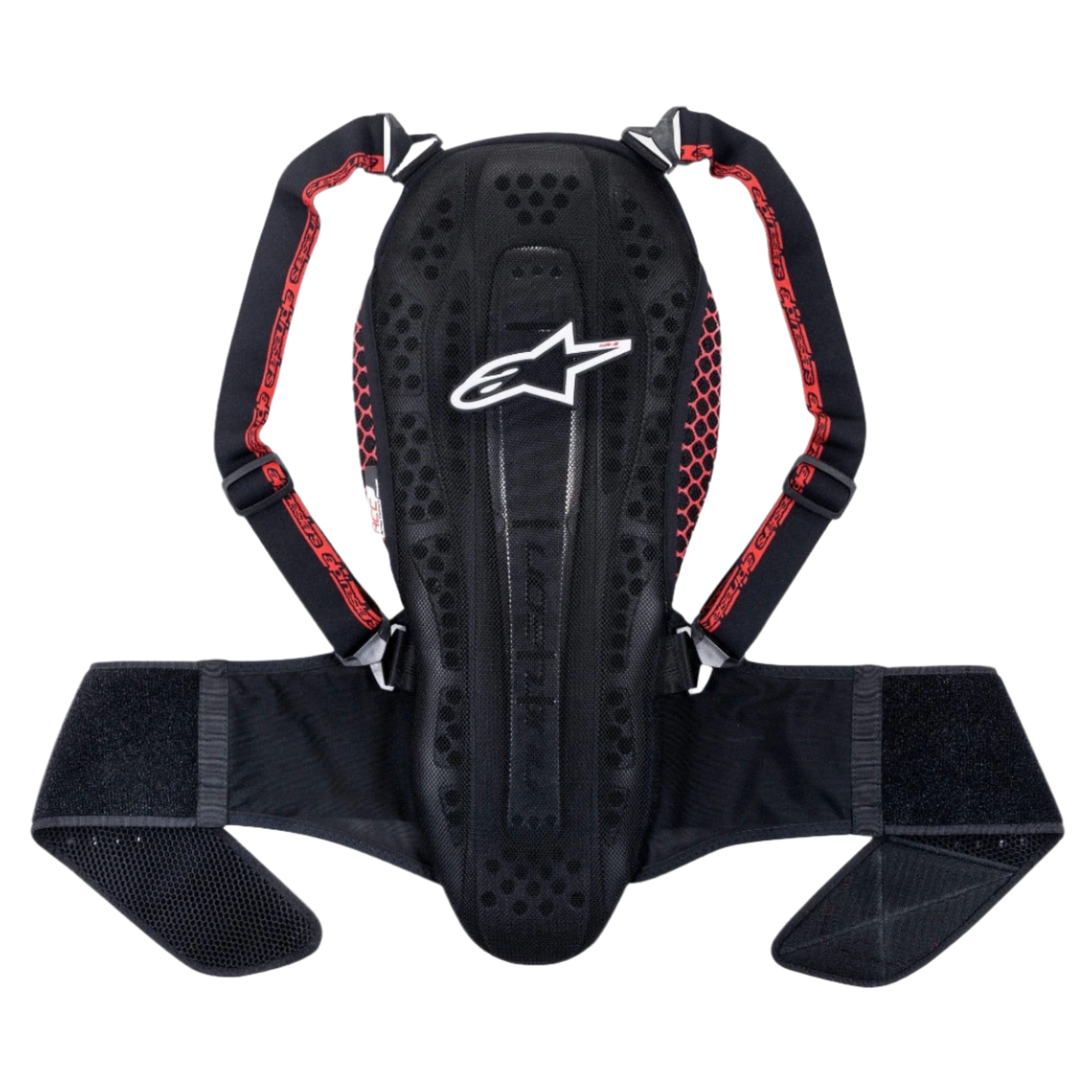
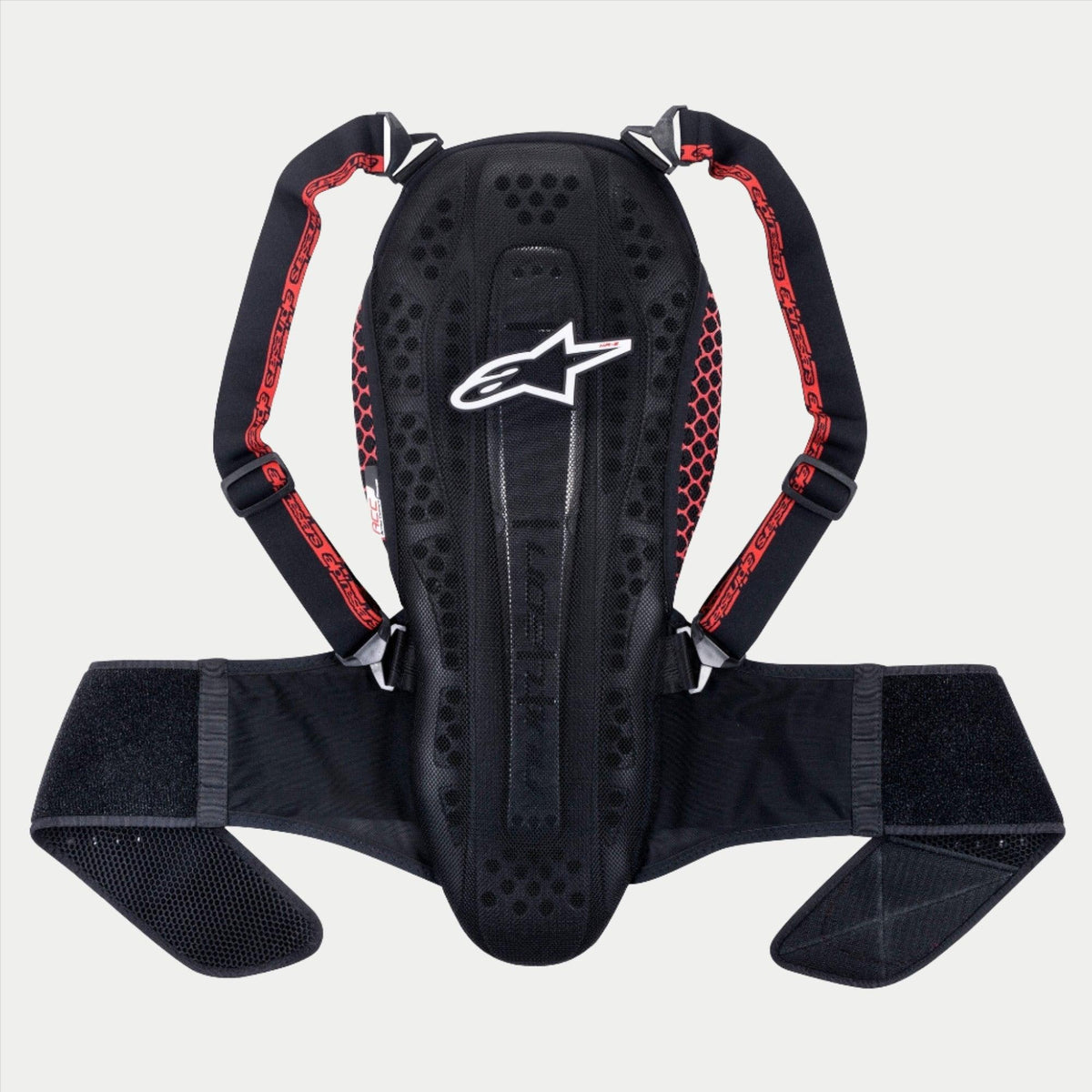
Ochraniacz Pleców Nucleon Kr-2 -
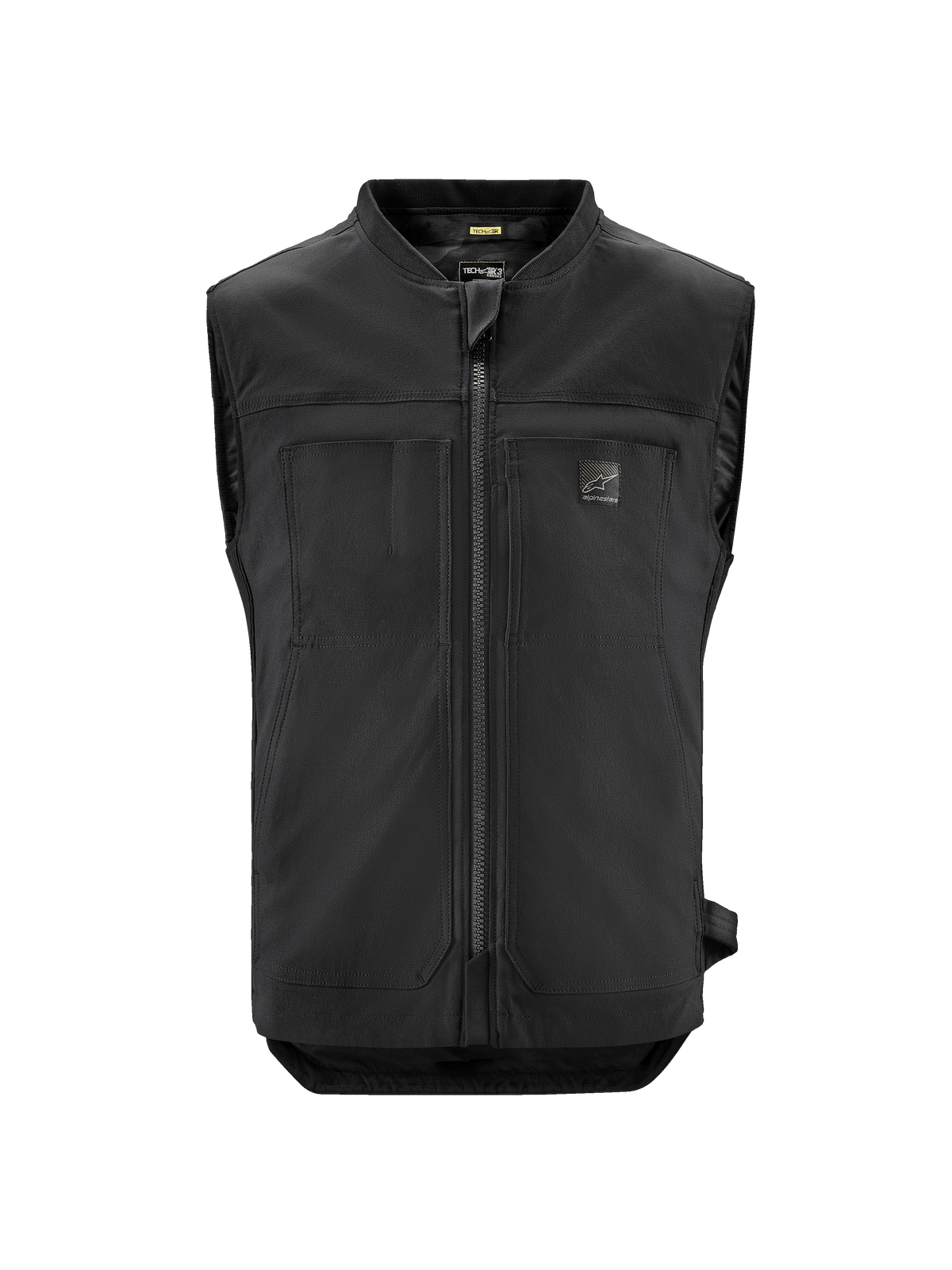
Poduszka Powietrzna Tech-Air® 3 V2 Canvas -
Poduszka Powietrzna Tech-Air® 3 V2 Skórzana -
Slider Na Kolano GP Plus -
Toe Slider GP Tech -
Poduszka Powietrzna Tech-Air® 3 V2 Canvas -
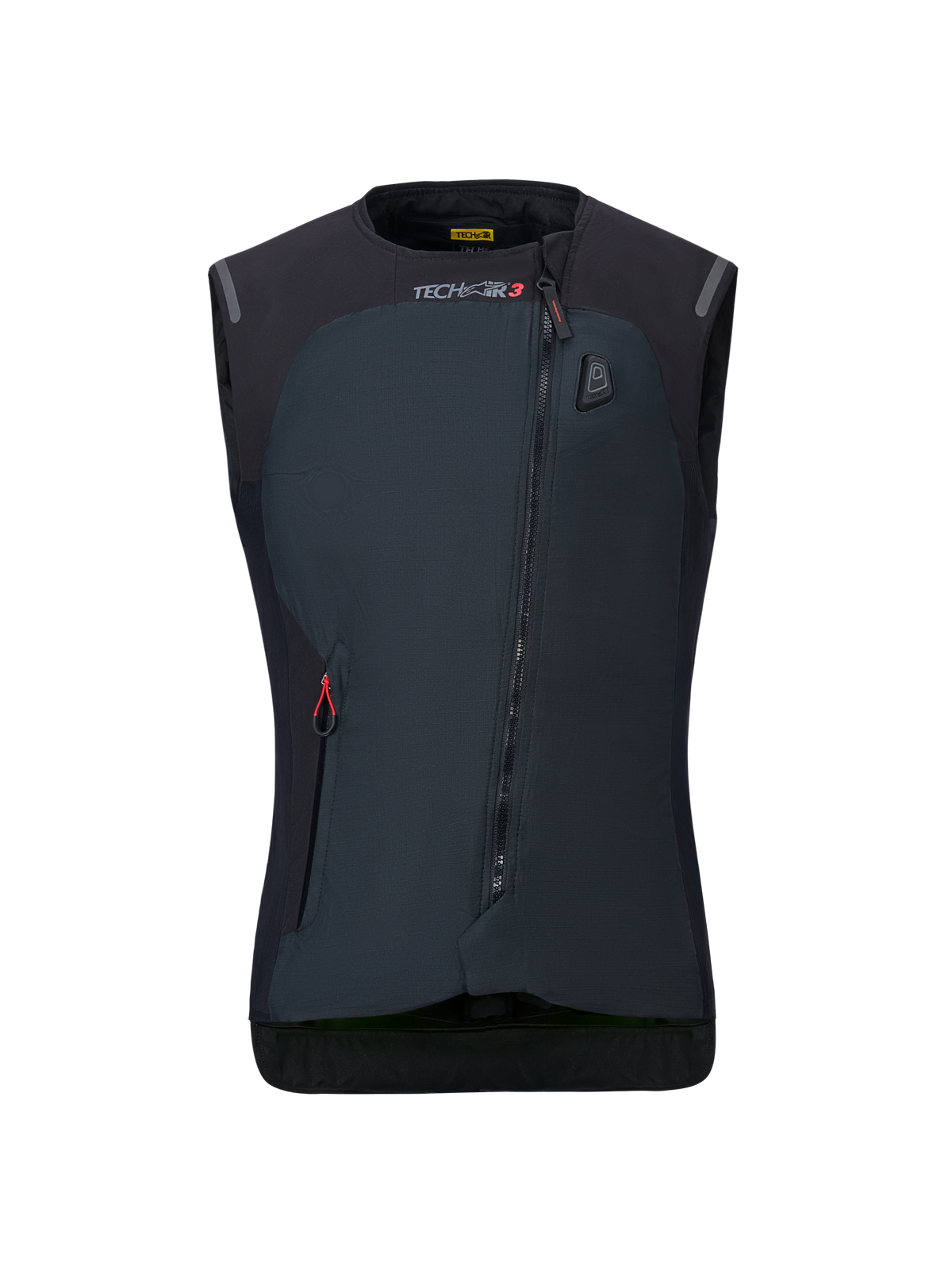
Poduszka Powietrzna Tech-Air® 3 V2 -
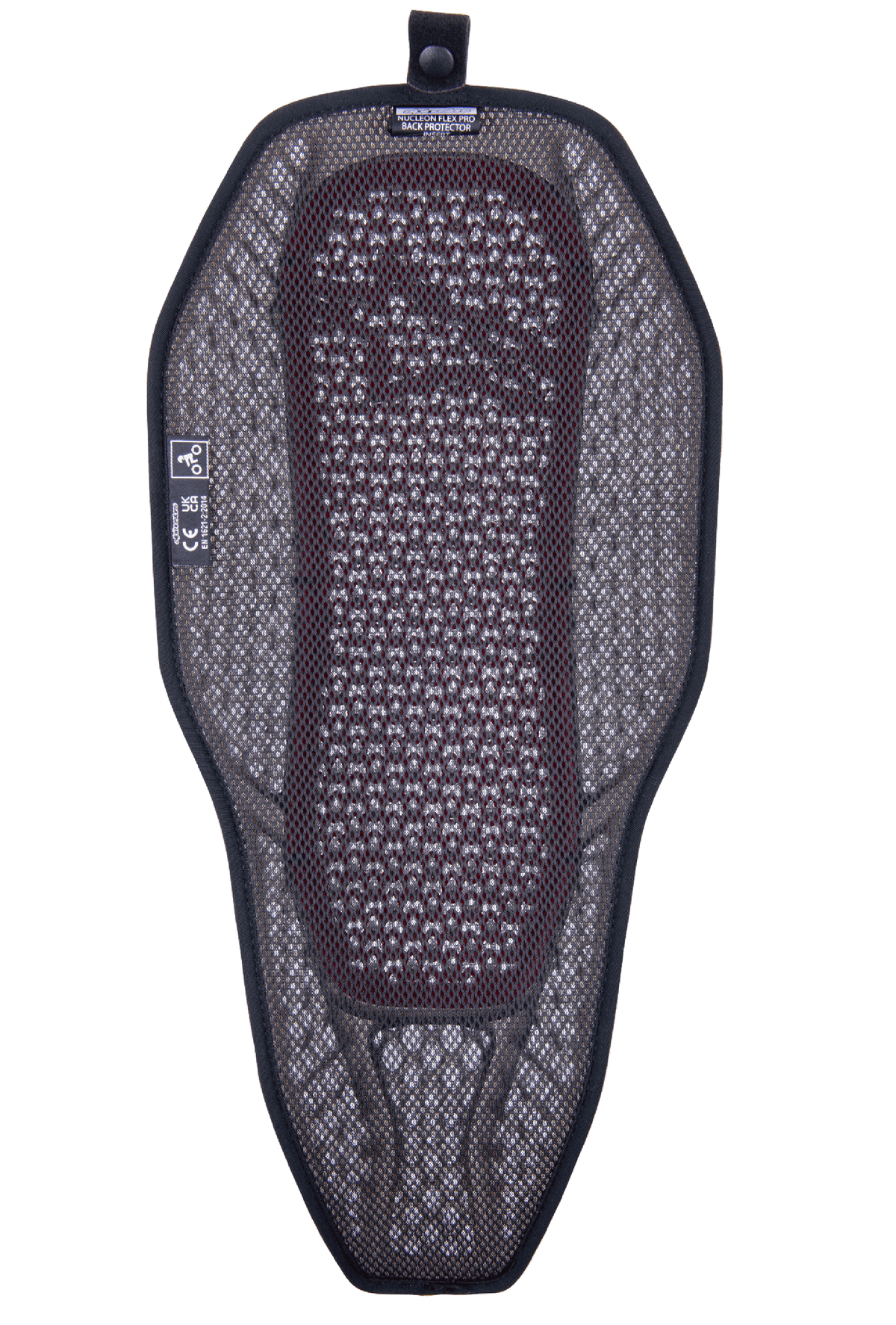
Wkład Do Ochraniacza Pleców Nucleon Flex Pro -
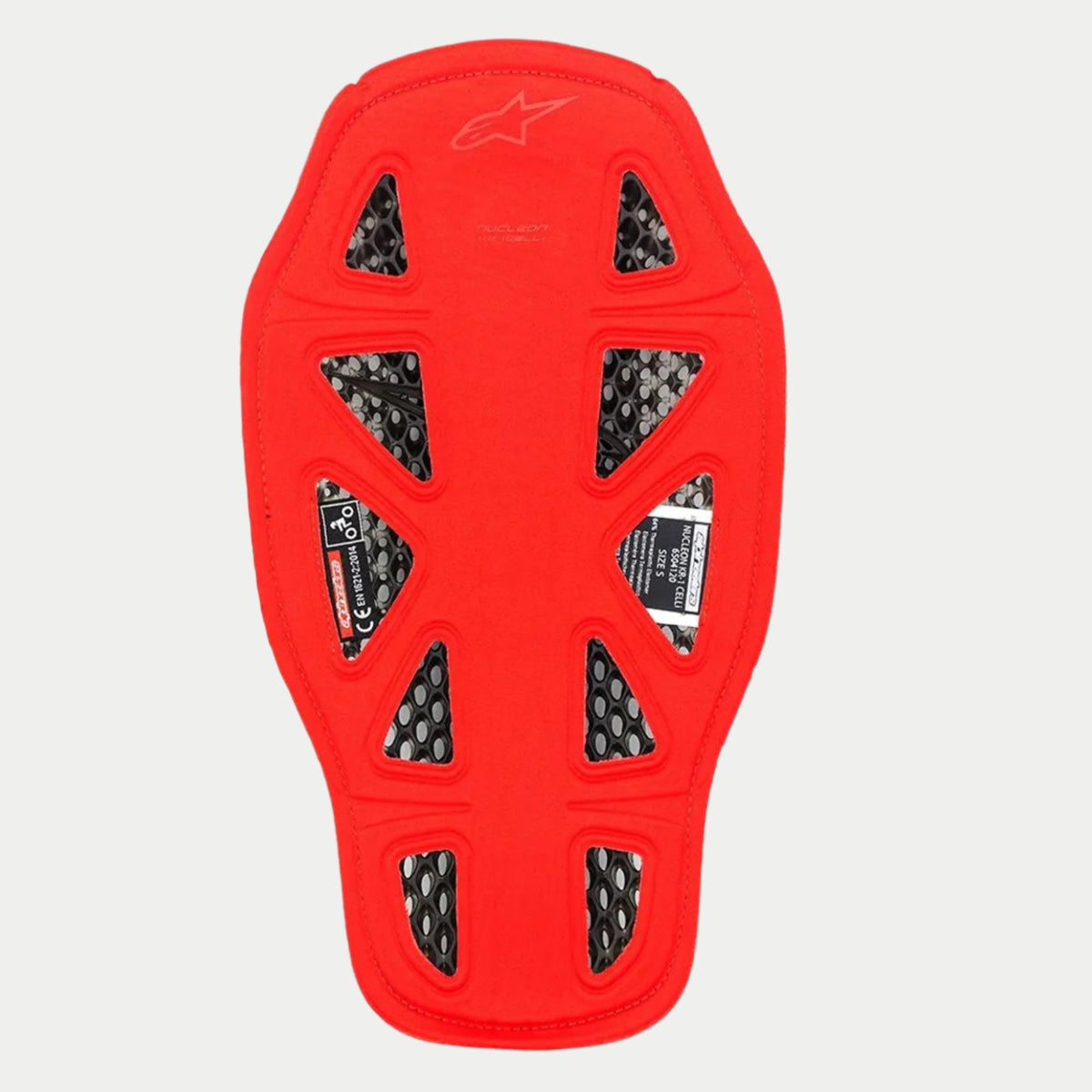
Ochraniacz Pleców Nucleon KR-1 Cell i -
Poduszka Powietrzna Tech-Air® 3 V2 -
Poduszka Powietrzna Tech-Air® 5 -
Ochraniacze Bioder Nucleon Morph STEALTH -
Ochraniacz Kolana Nucleon Morph STEALTH -
Podzielony Ochraniacz Klatki Piersiowej Nucleon Plasma -
Pełny Ochraniacz Klatki Piersiowej Nucleon Plasma Wkład -
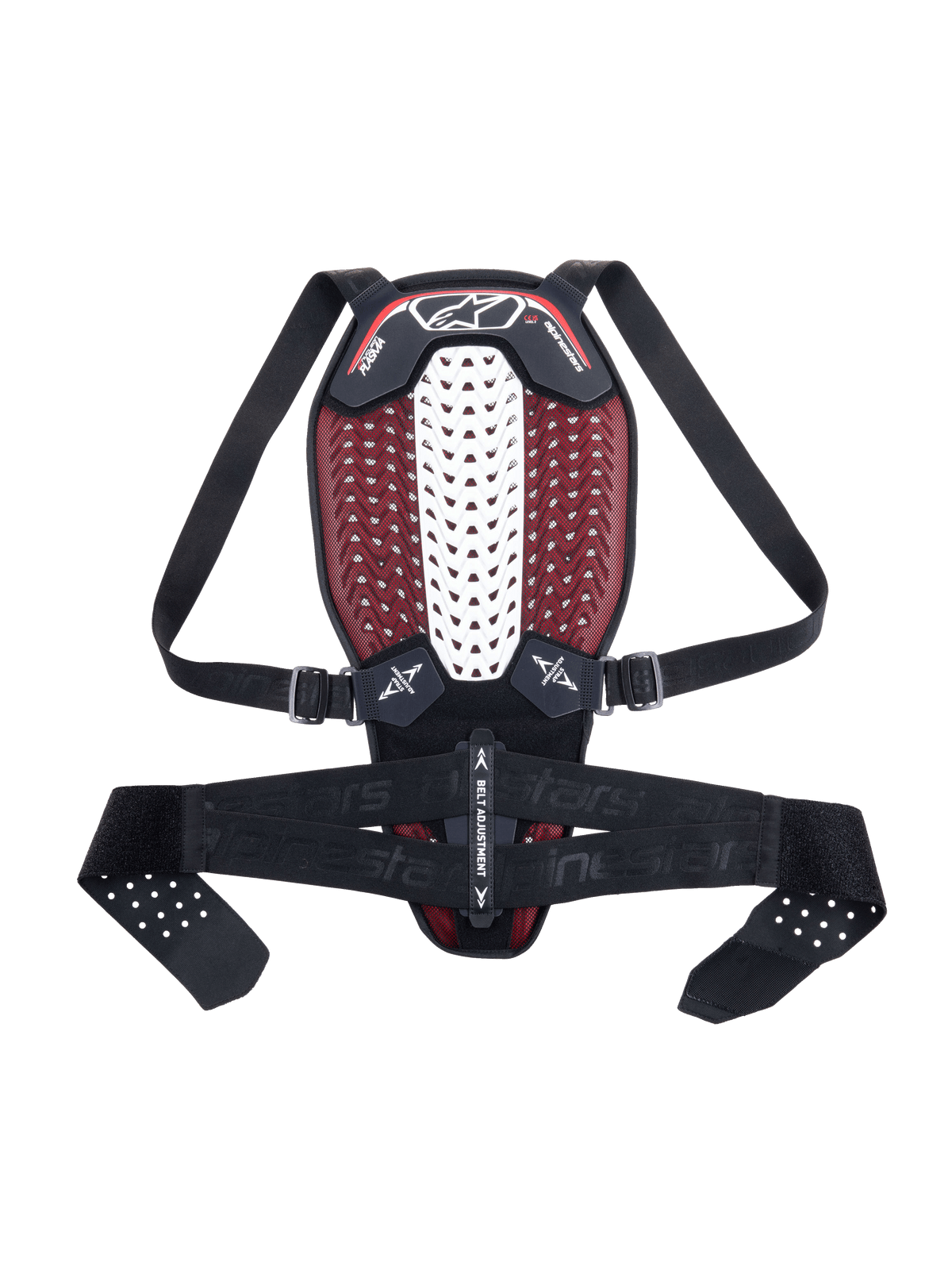
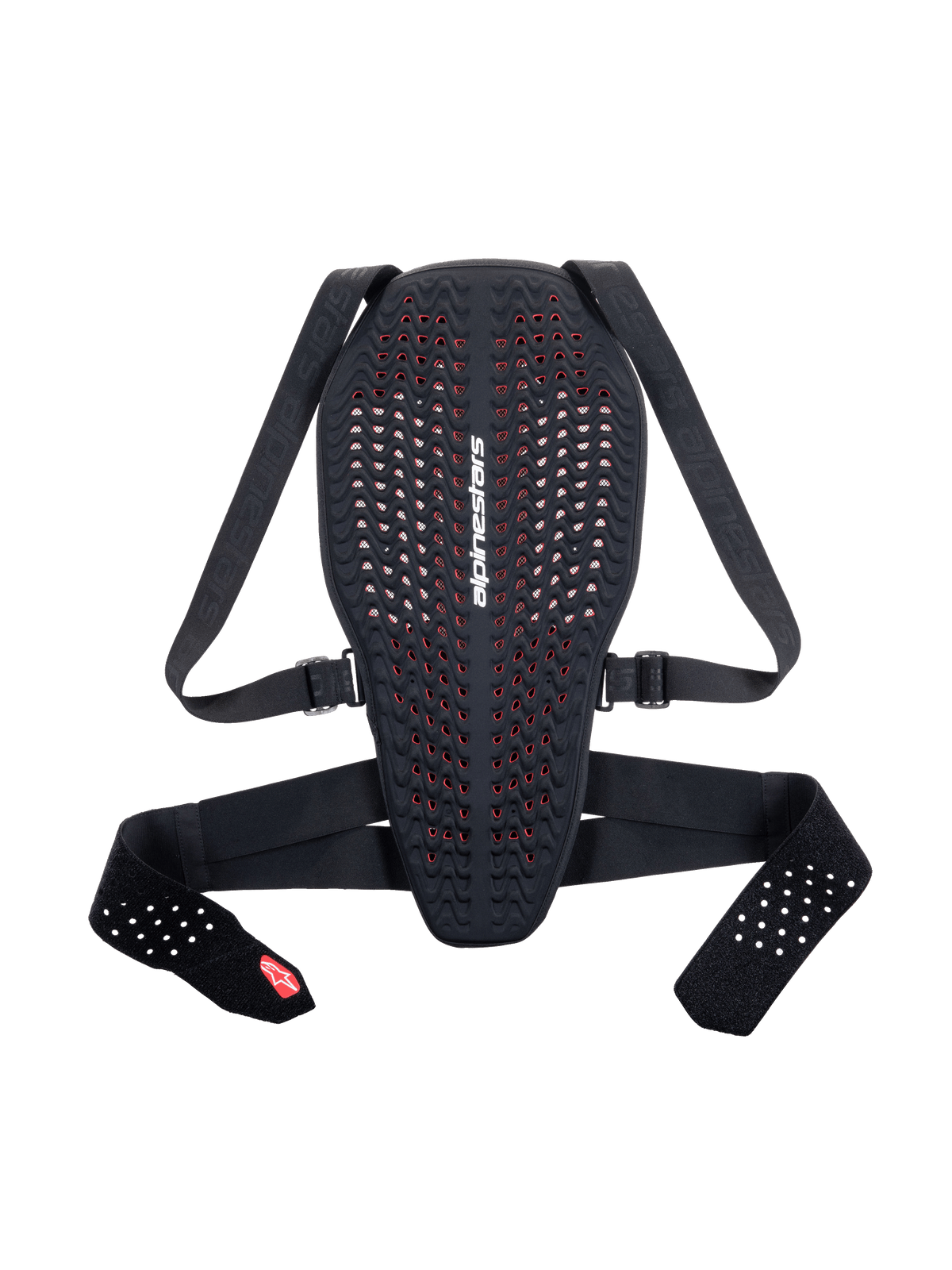
Ochraniacz Pleców Nucleon Plasma -
Ochraniacz Pleców Nucleon Kr-2 -
Toe Slider GP Plus -
Knee Slider GP Plus -
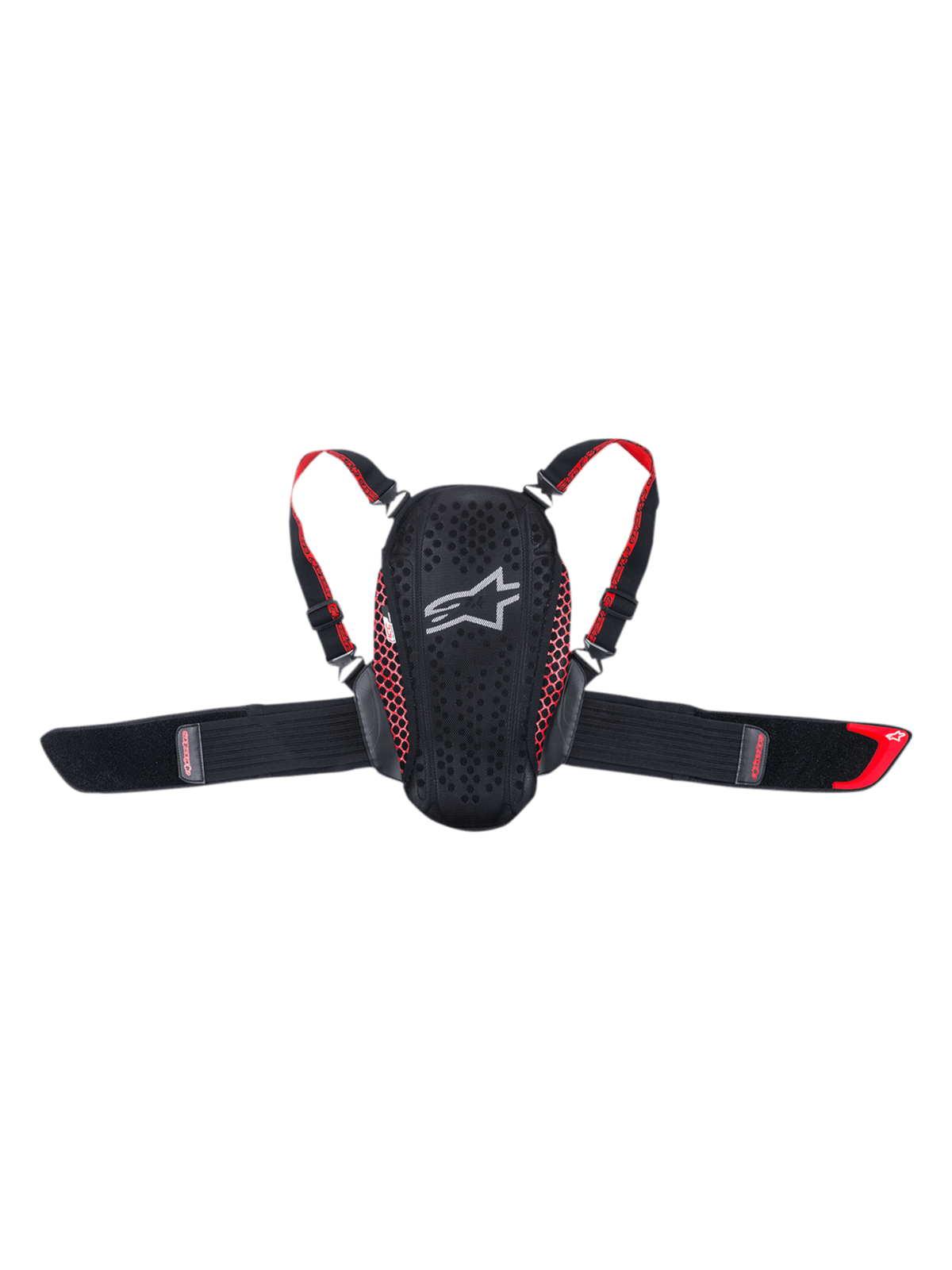
Ochraniacz Pleców Nucleon Kr-3 -
Ochraniacz Pleców Nucleon Kr-Y Młodzieżowe -
Knee Slider GP Tech -
Ślizgacz Kolan GP Plus -
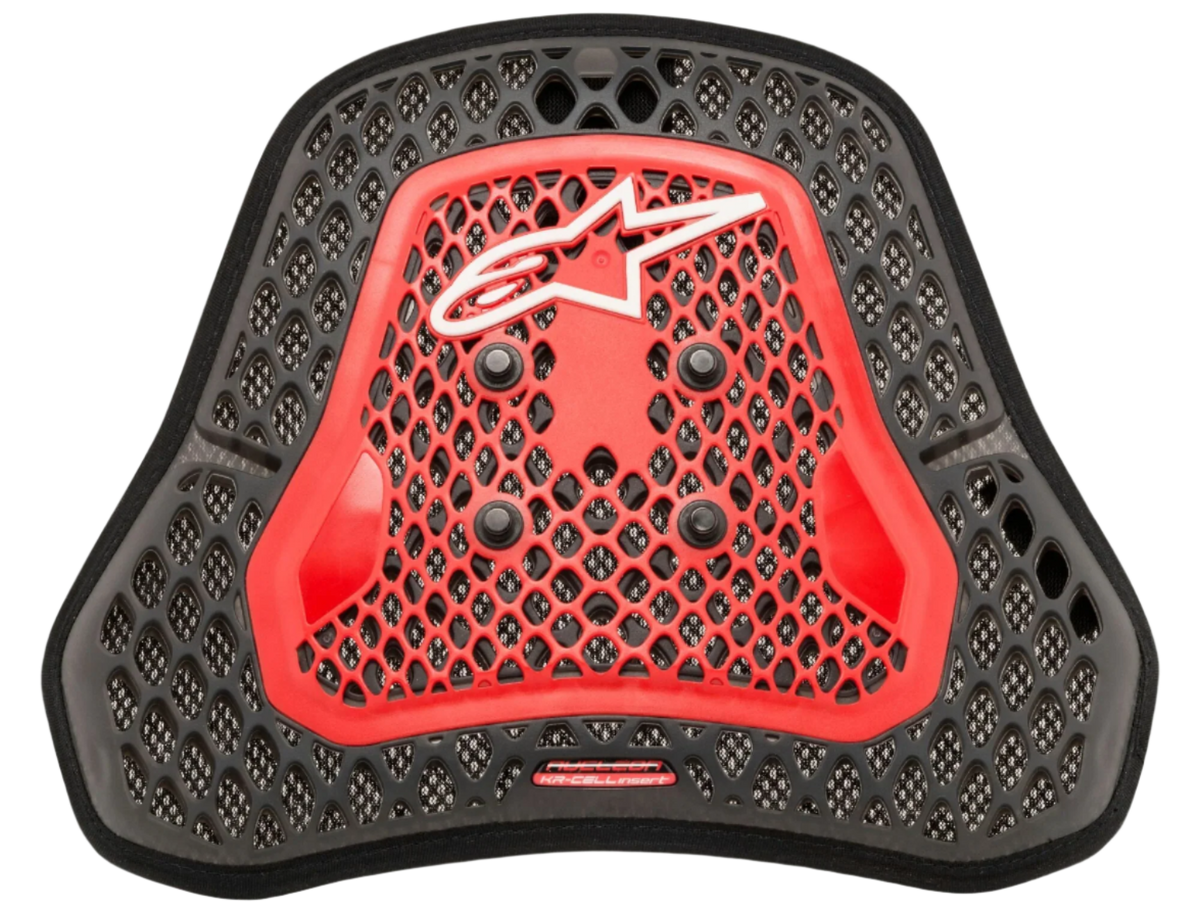
Ochraniacz Klatki Piersiowej Nucleon Kr Cell Ci S -
Pełny Ochraniacz Klatki Piersiowej Nucleon Plasma Na Rzep -
Ochraniacze Nucleon KR Cell Cir -
Ochraniacz Klatki Piersiowej Nucleon Kr-C -
Ochraniacz Pleców Nucleon KR-1 Cell -
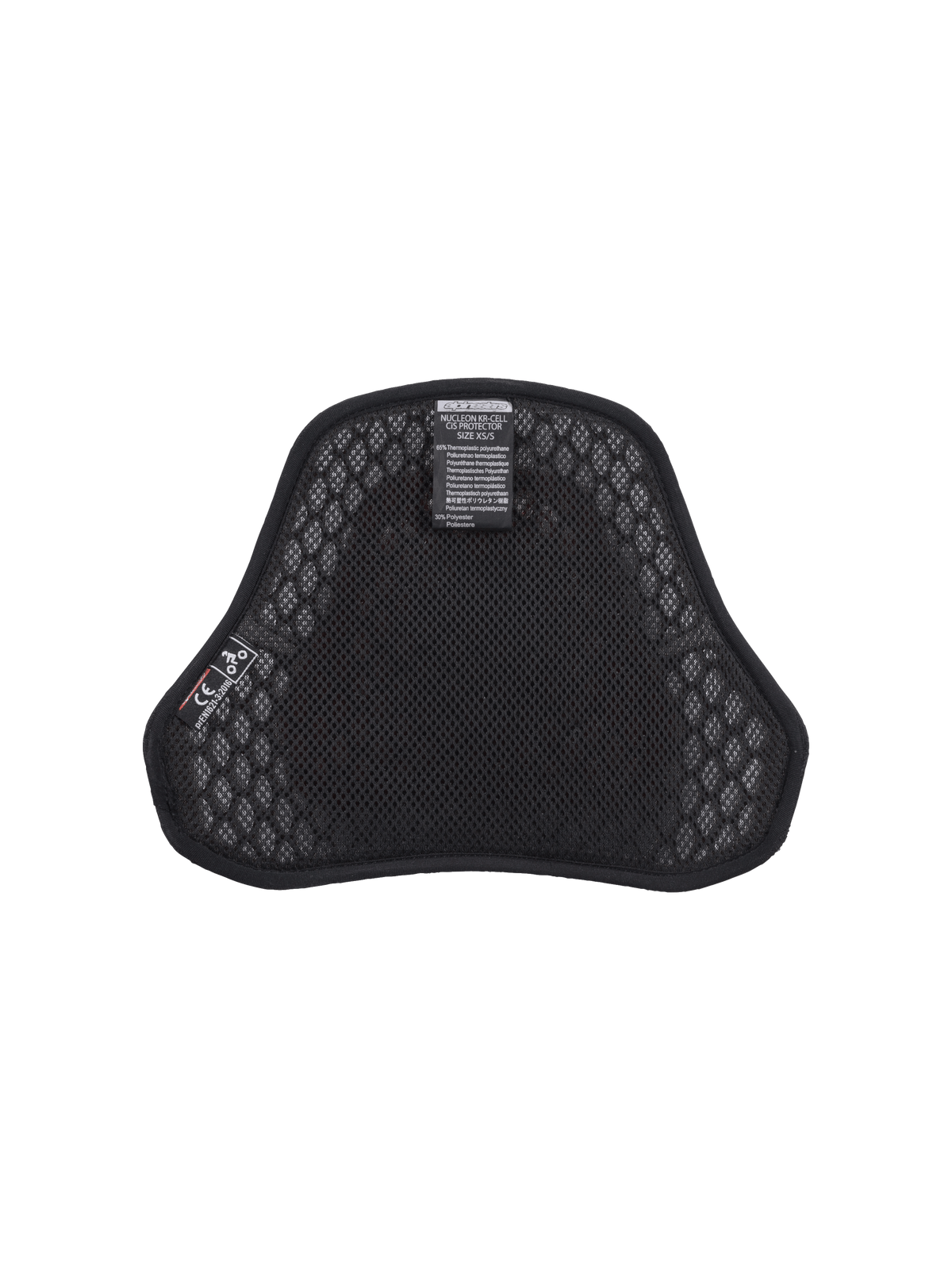
Wkład Do Ochraniacza Pleców Nucleon Kr-Celli






























Często zadawane pytania Ukryj FAQ
Co oznaczają CE Level 1 i Level 2 w ochraniaczach ciała do jazdy motocyklem?
Poziomy CE wskazują, jak dużą siłę uderzenia ochraniacz przepuszcza podczas testów zgodnych z normą EN. Level 2 dopuszcza mniejszą siłę przenoszoną niż Level 1, oferując wyższy próg tłumienia uderzeń przy prawidłowym dopasowaniu.
| Norma | Obszar | Level 1 (maks. średnia siła) | Level 2 (maks. średnia siła) |
|---|---|---|---|
| EN 1621-1 | Ramię, łokieć, biodro, kolano (kończyny) | ≤ 35 kN | ≤ 20 kN |
| EN 1621-2 | Plecy | ≤ 18 kN | ≤ 9 kN |
| EN 1621-3 | Klatka piersiowa | ≤ 18 kN | ≤ 9 kN |
Wybierz poziom dopasowany do Twojego stylu jazdy i oczekiwań dotyczących komfortu. Wyższe poziomy ochrony mogą być grubsze lub sztywniejsze; upewnij się, że ochraniacz jest prawidłowo dopasowany, aby ochrona pozostawała we właściwej pozycji na motocyklu.
Jak dobrać właściwy rozmiar i dopasowanie Ochraniacza Pleców lub Ochraniacza Klatki Piersiowej?
Skorzystaj ze swojego wzrostu oraz wymiarów tułowia i klatki piersiowej, a następnie sprawdź wskazówki dotyczące rozmiaru na stronie każdego produktu. Ochraniacz Pleców powinien osłaniać górną część kręgosłupa między łopatkami aż w kierunku kości ogonowej, nie przeszkadzając w kontakcie z siedzeniem; Ochraniacz Klatki Piersiowej powinien być wyśrodkowany nad mostkiem i żebrami, bez pozostawiania przerw.
Przymierz ochraniacze w pozycji do jazdy, z warstwami odzieży, które zamierzasz nosić. Wyreguluj paski tak, aby ochraniacz był stabilny, ale nie ograniczał ruchów, i upewnij się, że pozostaje na miejscu, gdy sięgasz do elementów sterujących lub oglądasz się przez ramię.
Czy mogę nosić Ochronę Ciała pod kurtką lub z systemem poduszki powietrznej Tech-Air?
Większość ochraniaczy drogowych została zaprojektowana do noszenia pod kurtką lub kombinezonem motocyklowym. Jeśli odzież zewnętrzna ma wyjmowane kieszenie na ochronę, możesz używać pod spodem samodzielnych ochraniaczy, pod warunkiem że jest wystarczająco dużo miejsca na prawidłowe ułożenie i swobodę ruchu.
W przypadku użytkowania z airbagiem noś wyłącznie odzież i warstwy wyraźnie oznaczone jako „Tech-Air Compatible/Ready” i postępuj zgodnie z instrukcjami systemu. Nie dodawaj sztywnych skorup na poduszkę powietrzną, chyba że dany system wyraźnie na to pozwala. Więcej informacji znajdziesz w sekcji systemy Tech-Air oraz weryfikator kompatybilności Tech-Air.
Jaka jest różnica między miękką ochroną, ochroną twardoskorupową a deflektorami roost?
Miękka, lepkosprężysta ochrona dopasowuje się do ciała i chwilowo twardnieje przy uderzeniu, aby pochłaniać energię; ma niski profil i dobrze sprawdza się na drodze oraz w mieście. Ochrona twardoskorupowa łączy sztywne płyty z pianką pochłaniającą energię, zapewniając dodatkową odporność na przebicie i poślizg, dlatego jest często stosowana w off-roadzie i środowiskach z dużą ilością odłamków.
Deflektory roost (często testowane zgodnie z EN 14021) służą przede wszystkim jako osłona przed kamieniami i roostem w motocrossie i mogą nie zapewniać ochrony przed uderzeniami z certyfikacją CE dla klatki piersiowej lub pleców. Jeśli zależy Ci na ochronie przed uderzeniami, szukaj norm EN 1621-3 (klatka piersiowa) i EN 1621-2 (plecy). Sprawdź dostępne opcje kategorii w ochraniaczach klatki piersiowej do motocykla oraz ochronie MX.
Jak czyścić i pielęgnować ochraniacze ciała do jazdy motocyklem?
Przed praniem odzieży zewnętrznej wyjmij z niej ochraniacze. Czyść ochraniacze wilgotną ściereczką i łagodnym mydłem; nie używaj rozpuszczalników, wybielaczy ani wysokiej temperatury. Susz na powietrzu z dala od bezpośredniego światła słonecznego i grzejników oraz unikaj długotrwałego ściskania, które może odkształcić wkłady.
Regularnie sprawdzaj stan ochraniaczy oraz kontroluj je po każdym upadku. Wymień elementy, które są pęknięte, trwale odkształcone lub nie układają się już prawidłowo w Twoim sprzęcie.