
22 results
-
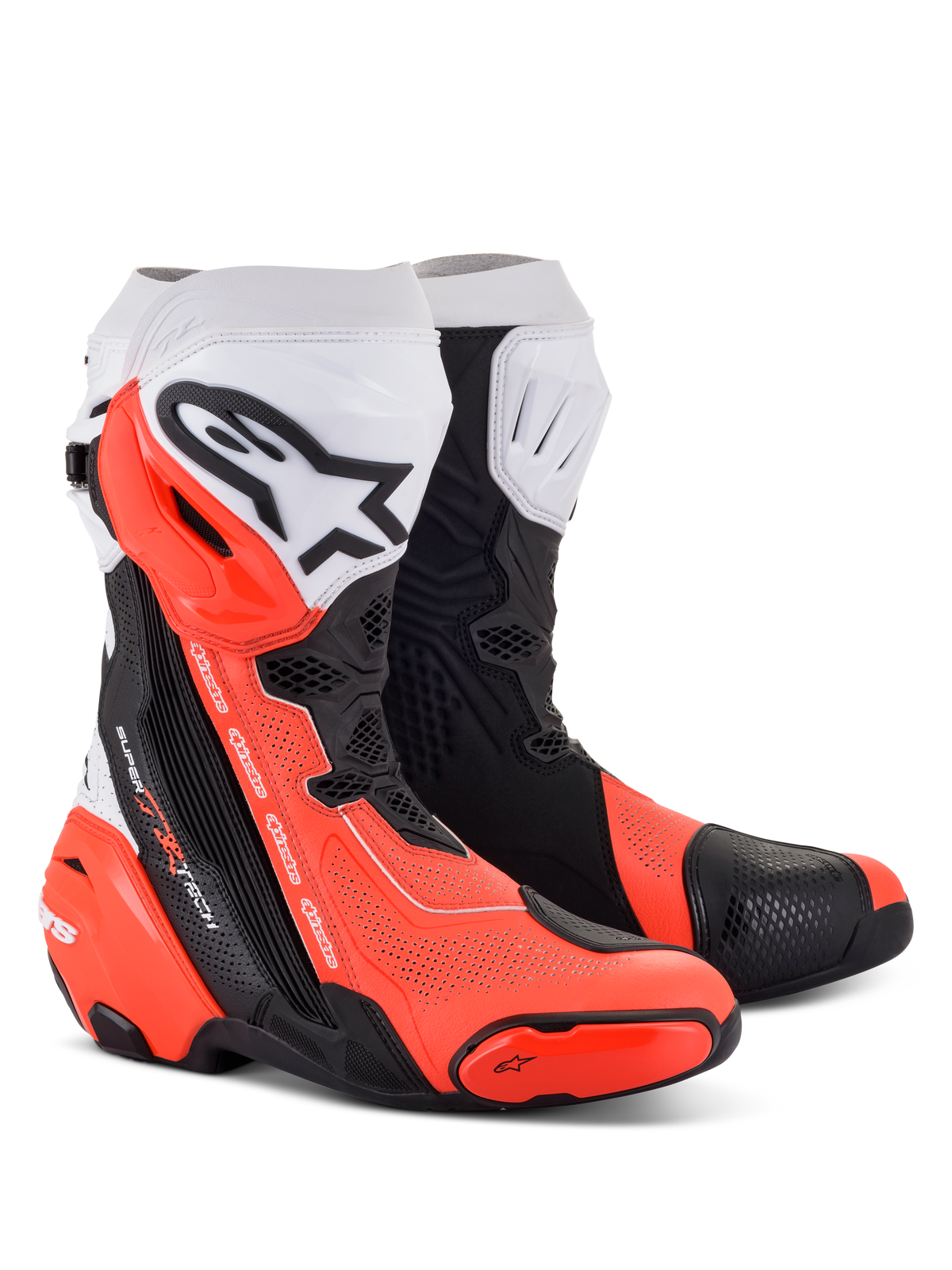
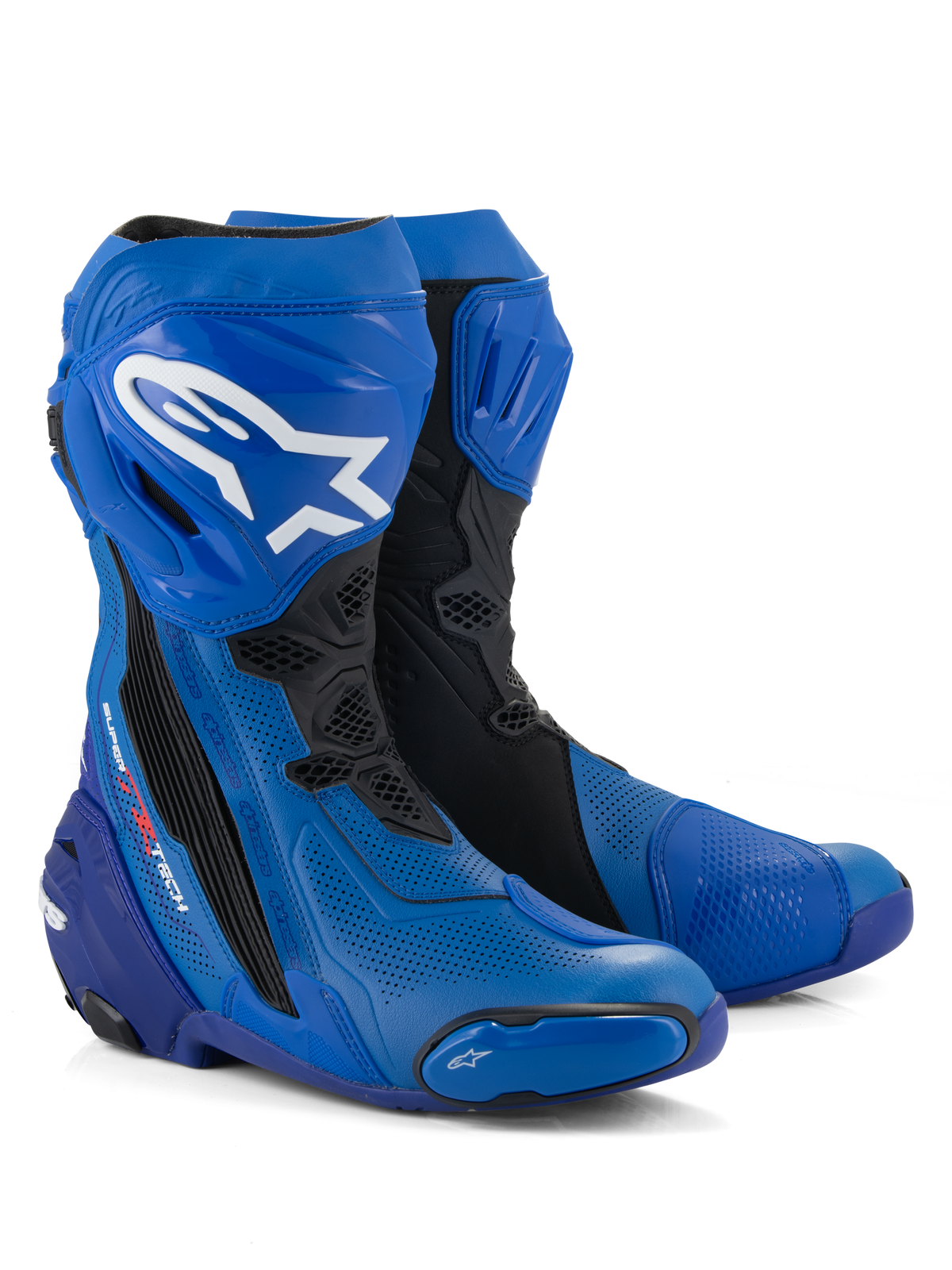
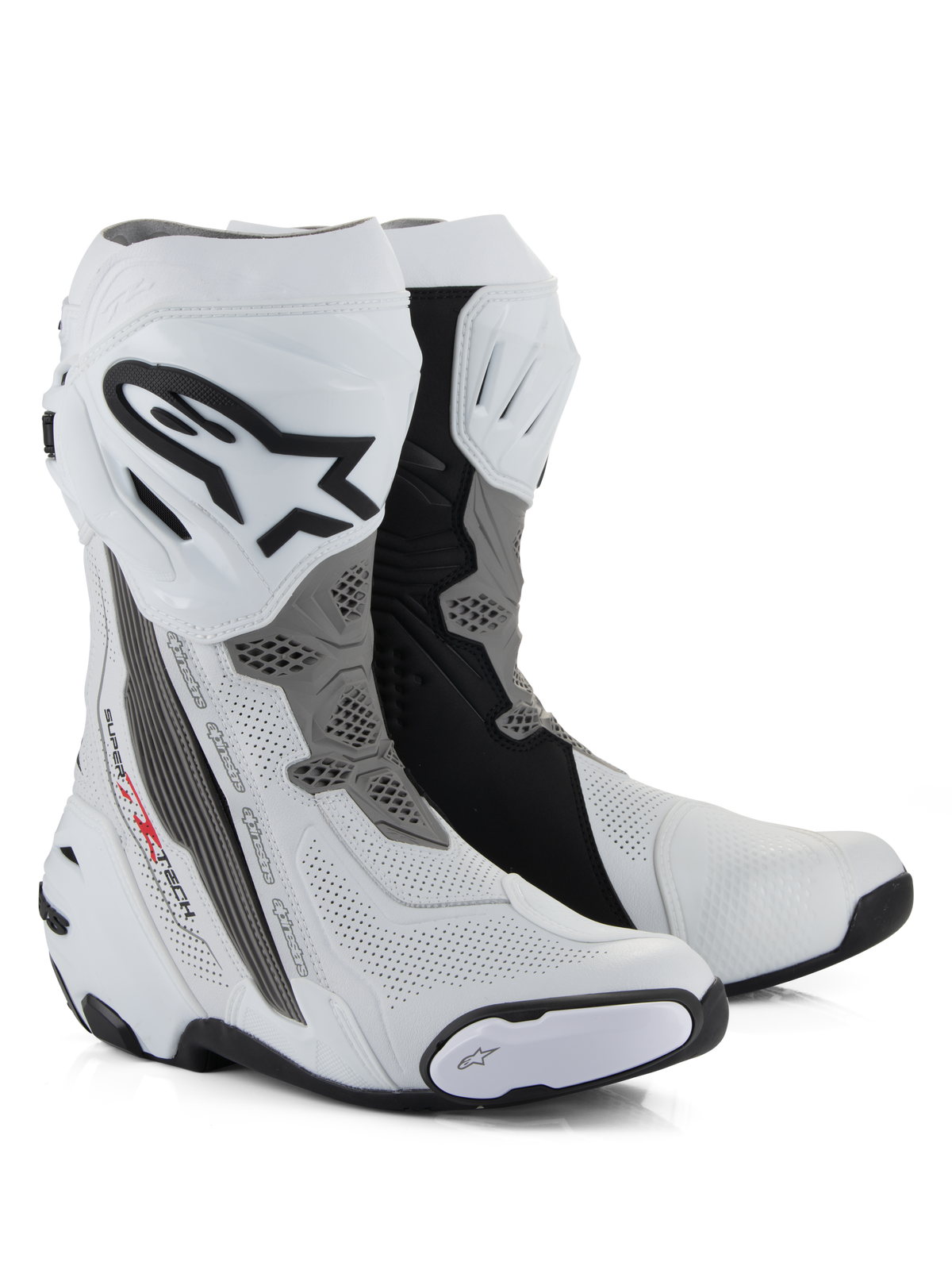
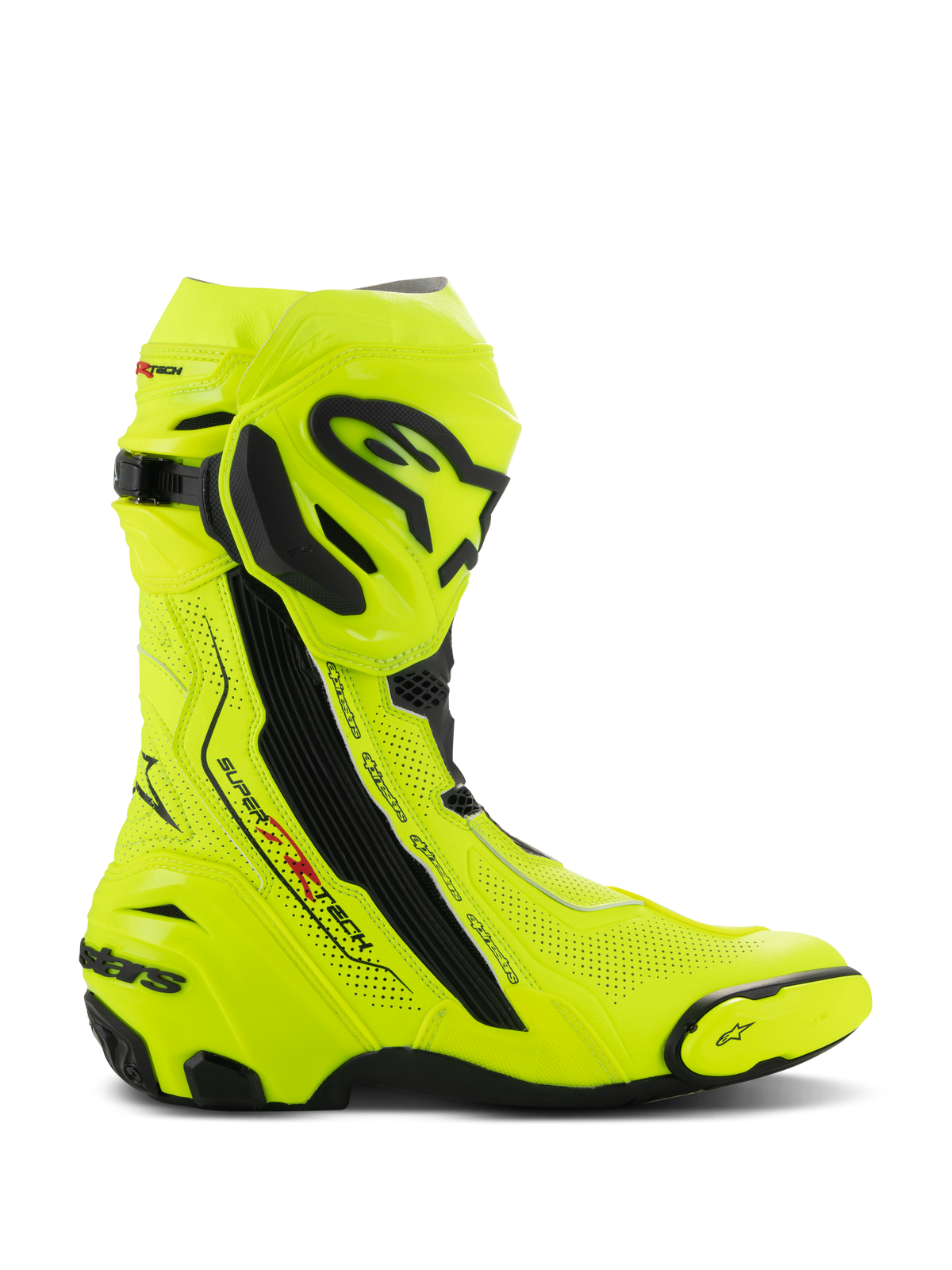
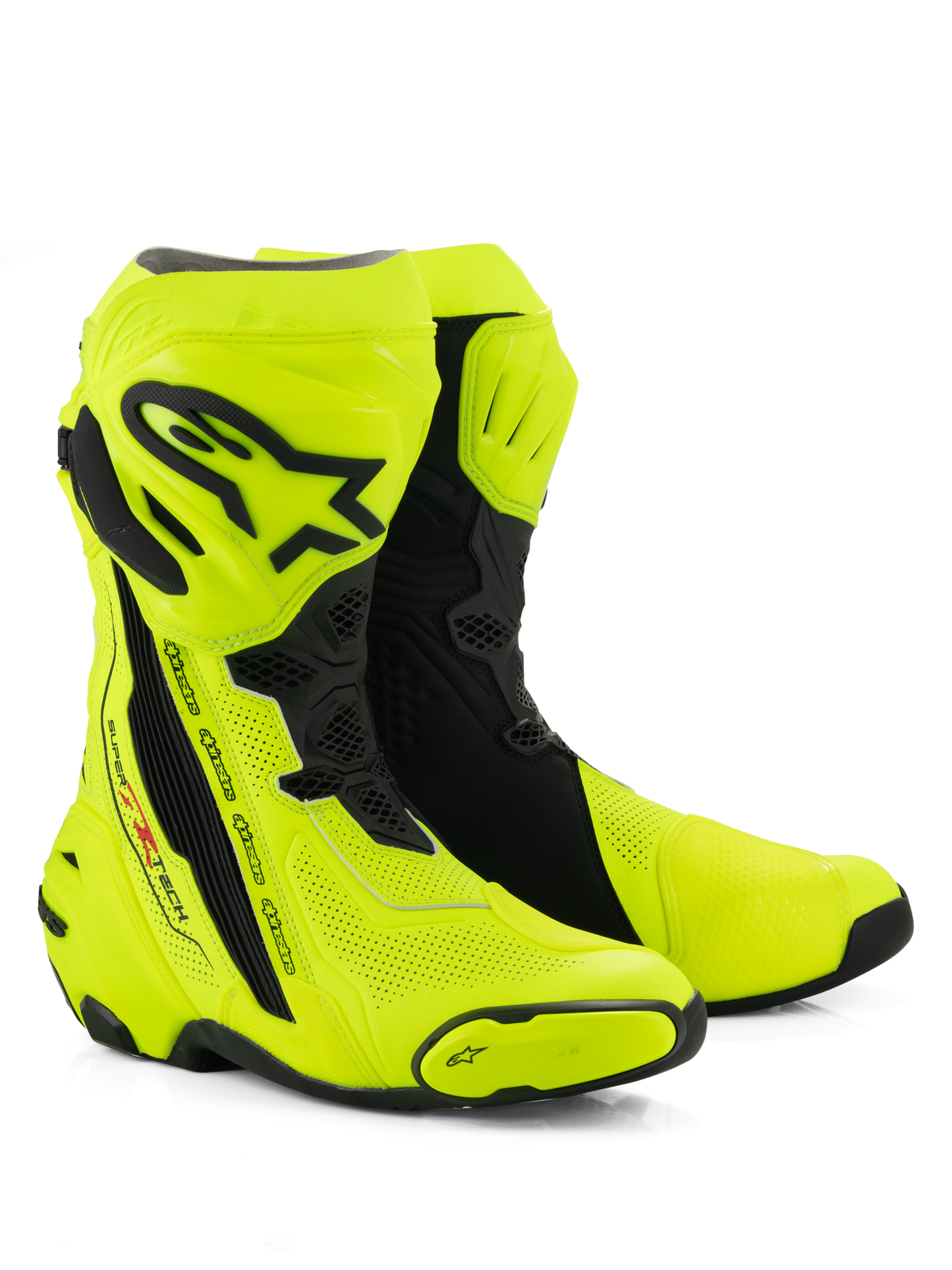
Supertech R Vented Boots -
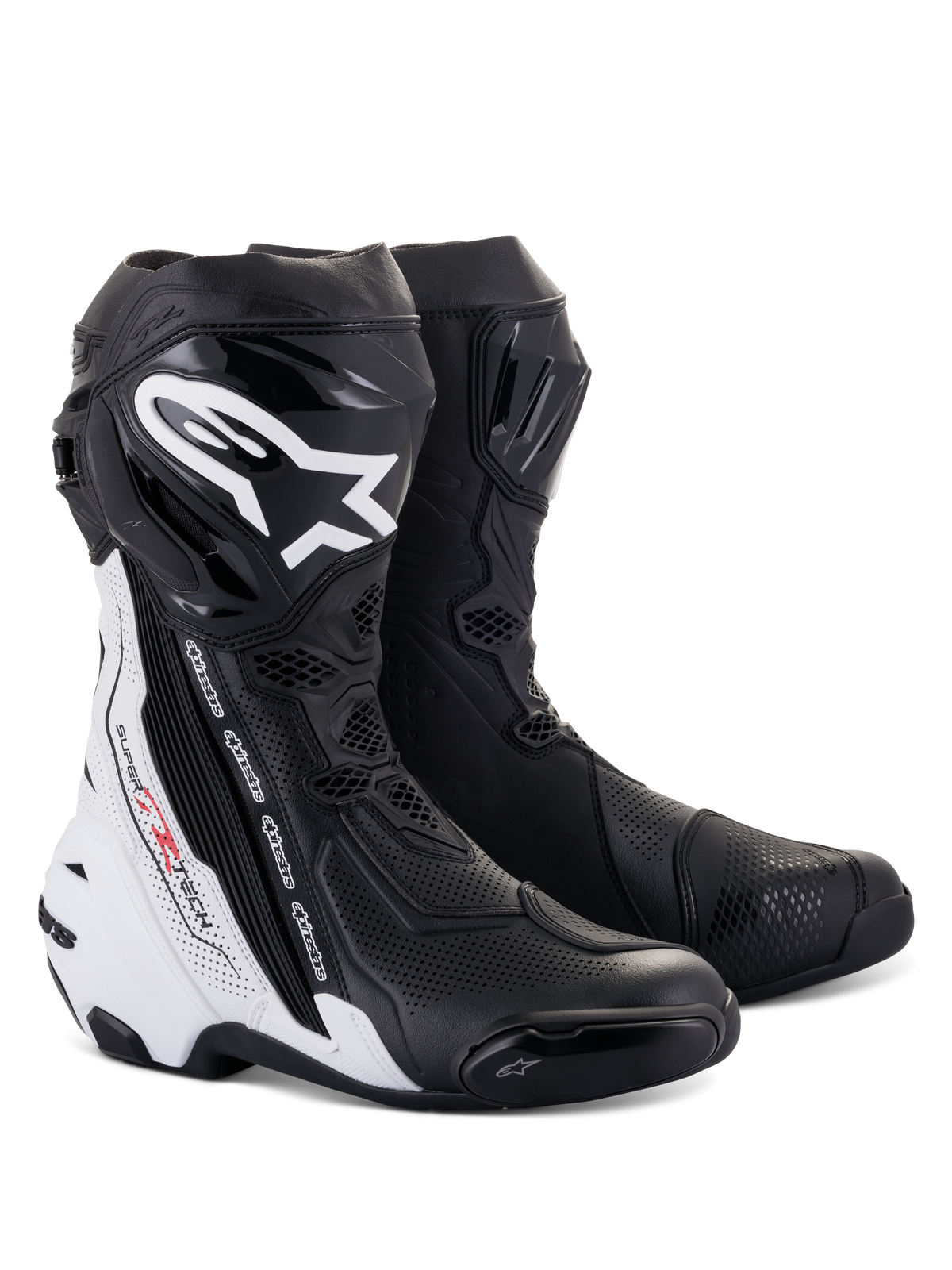
Supertech R Vented Boots -
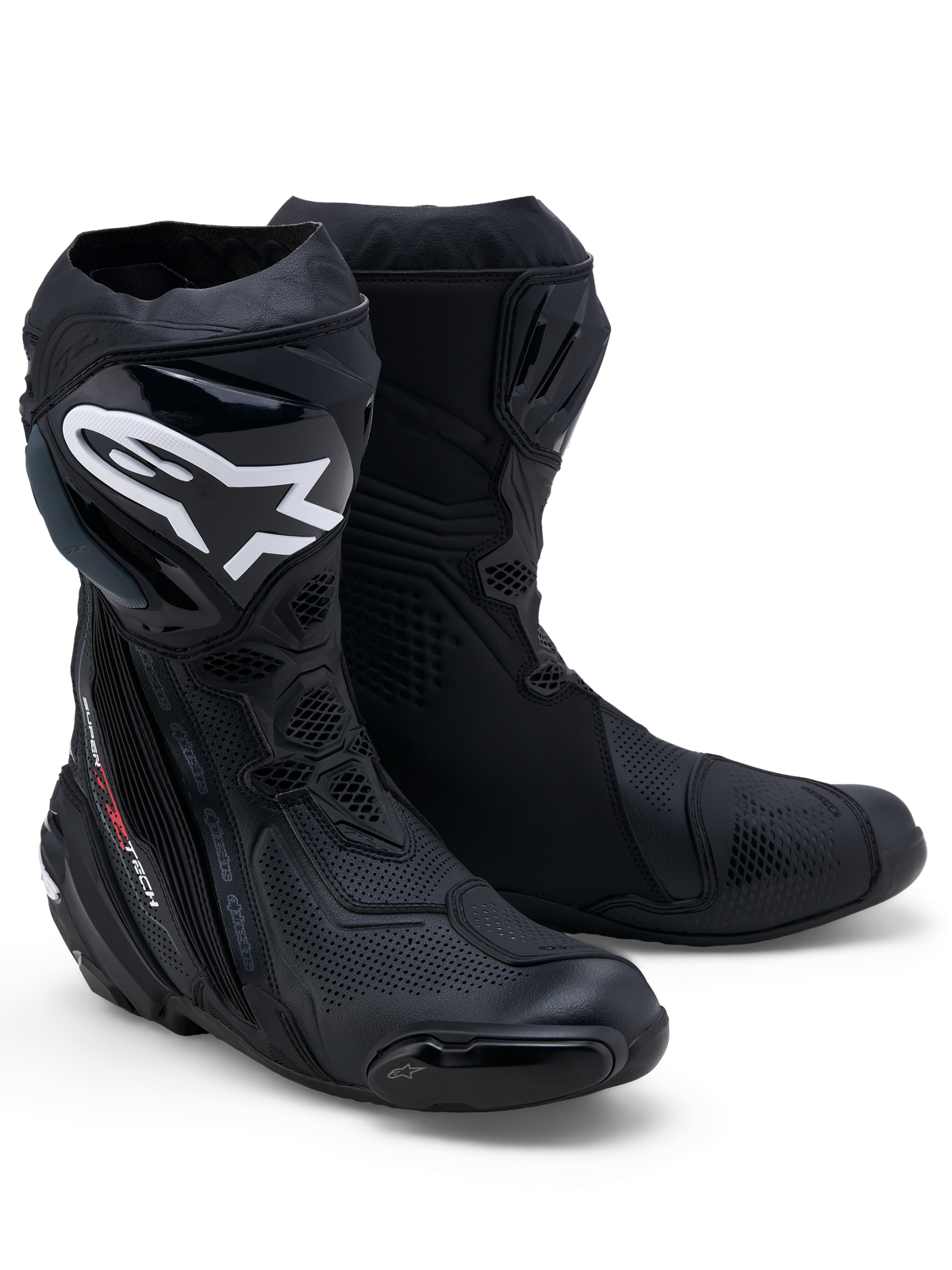
Supertech R Vented Boots -
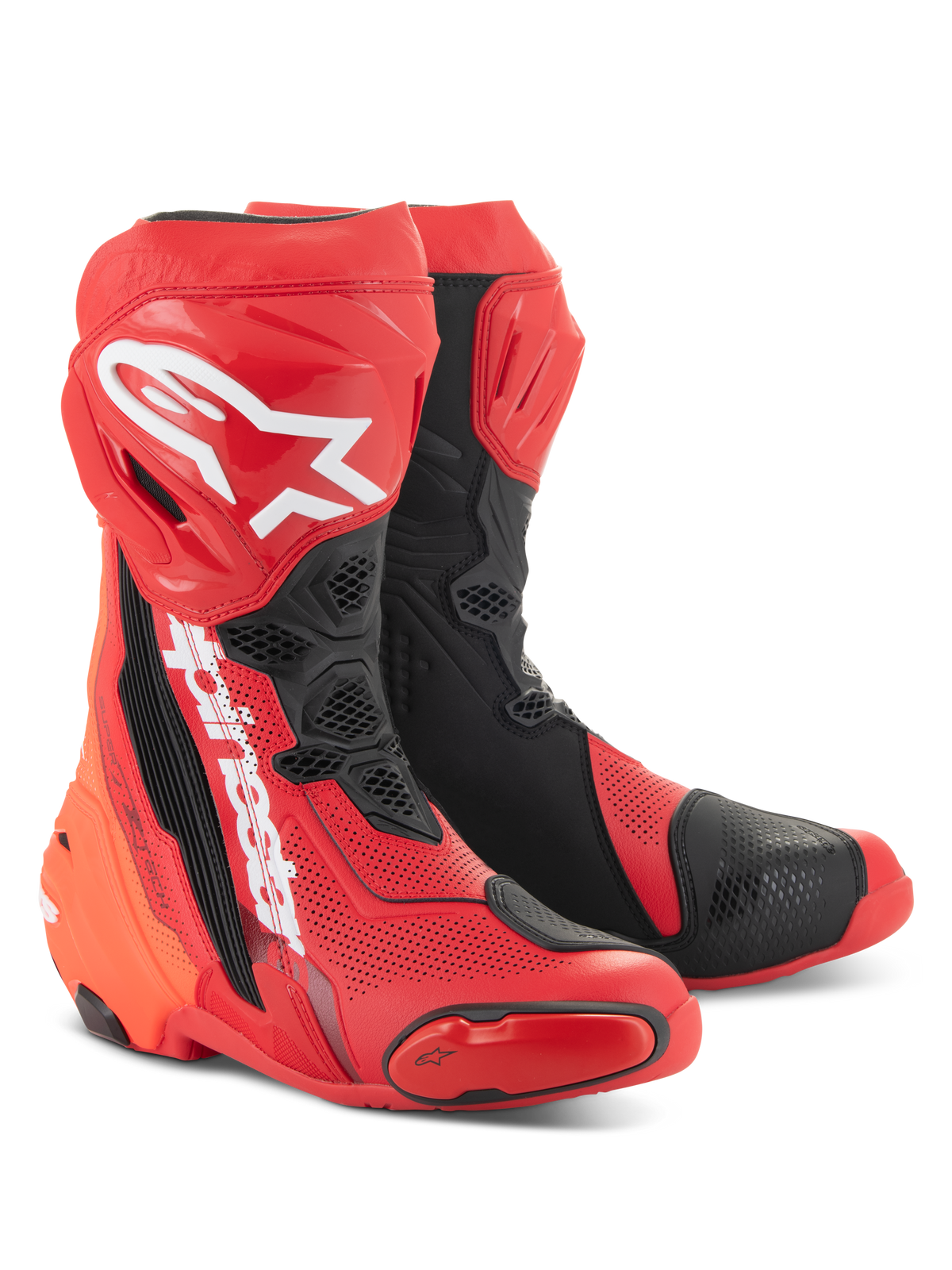
Supertech R Vented Boots -
Supertech R Vented Boots -
Supertech R Vented Boots -
Supertech R Vented Boots -
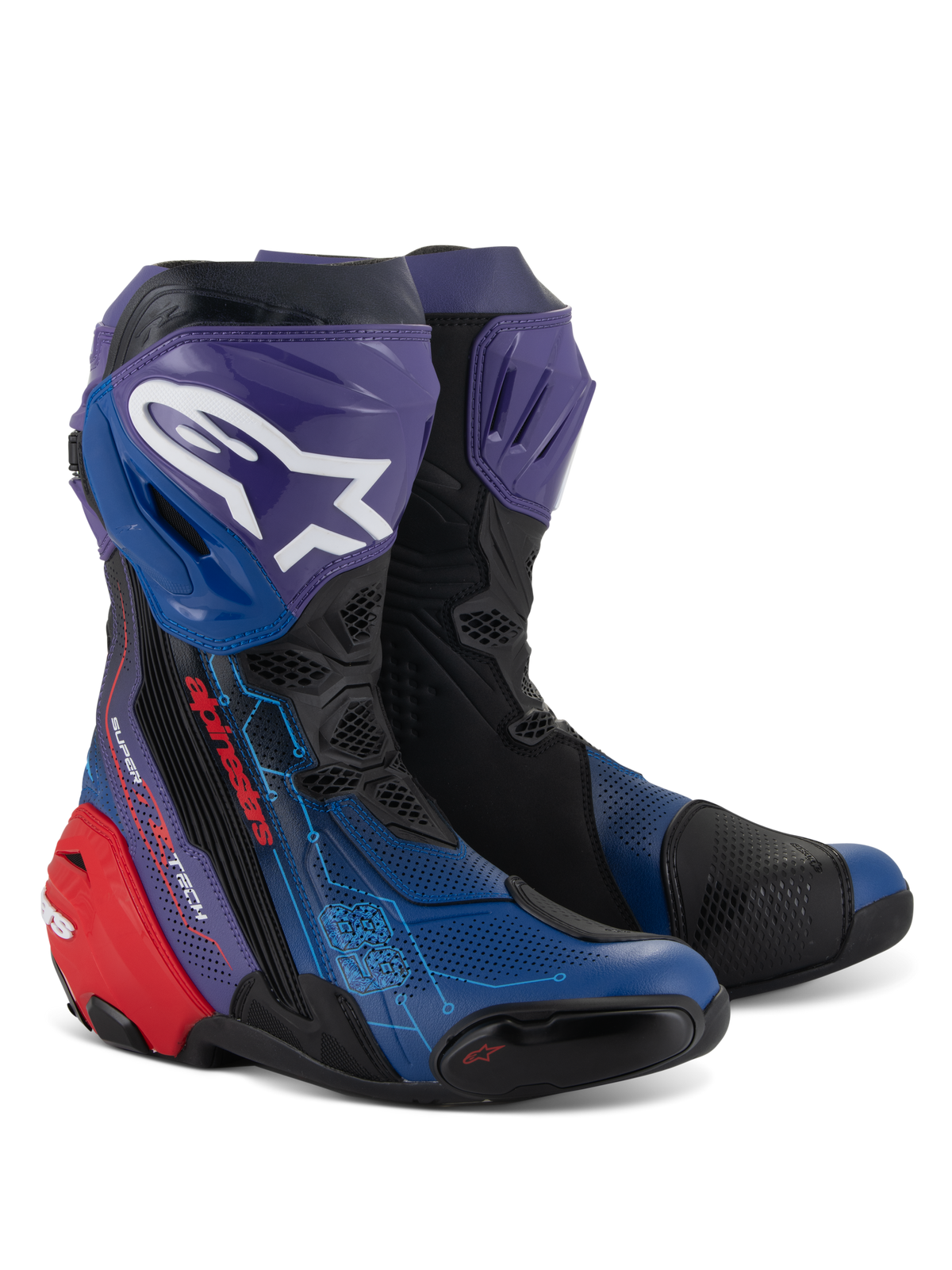
Limited Edition Supertech R Pecco Bagnaia Vented Boots -
Limited Edition Supertech R Martinator R01 Vented Boots -
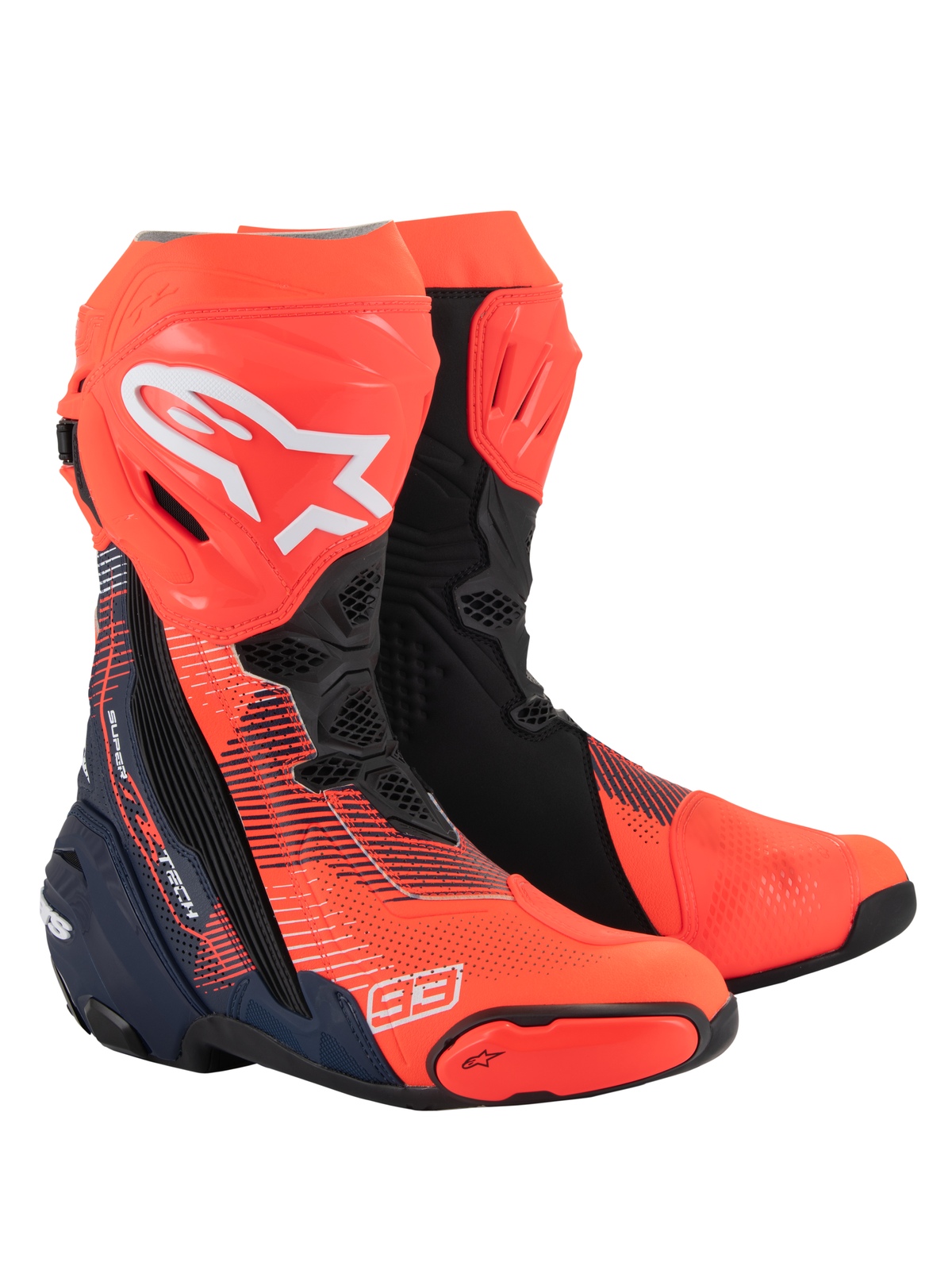
Supertech R Vented MM93 Replica Boots -
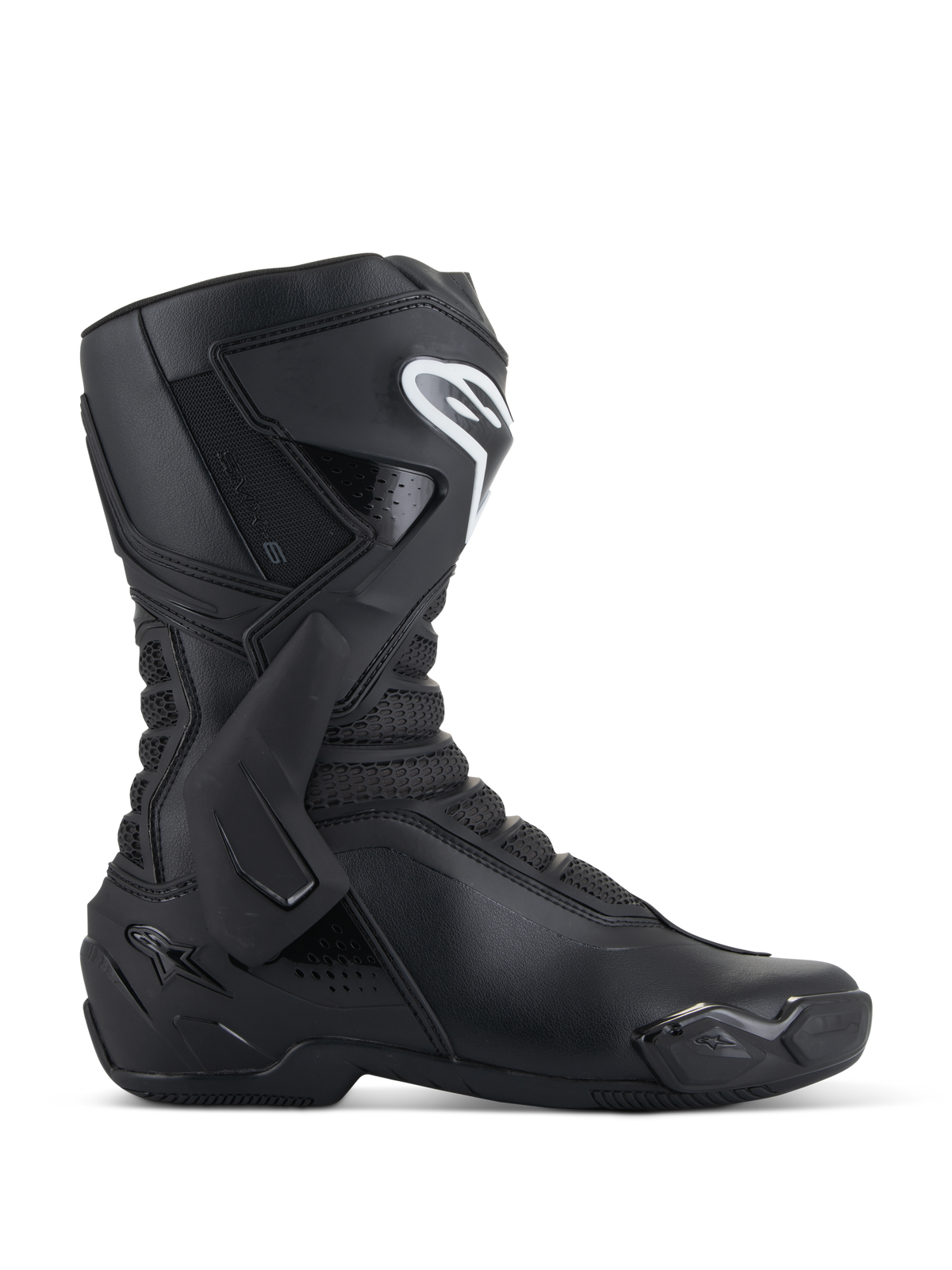
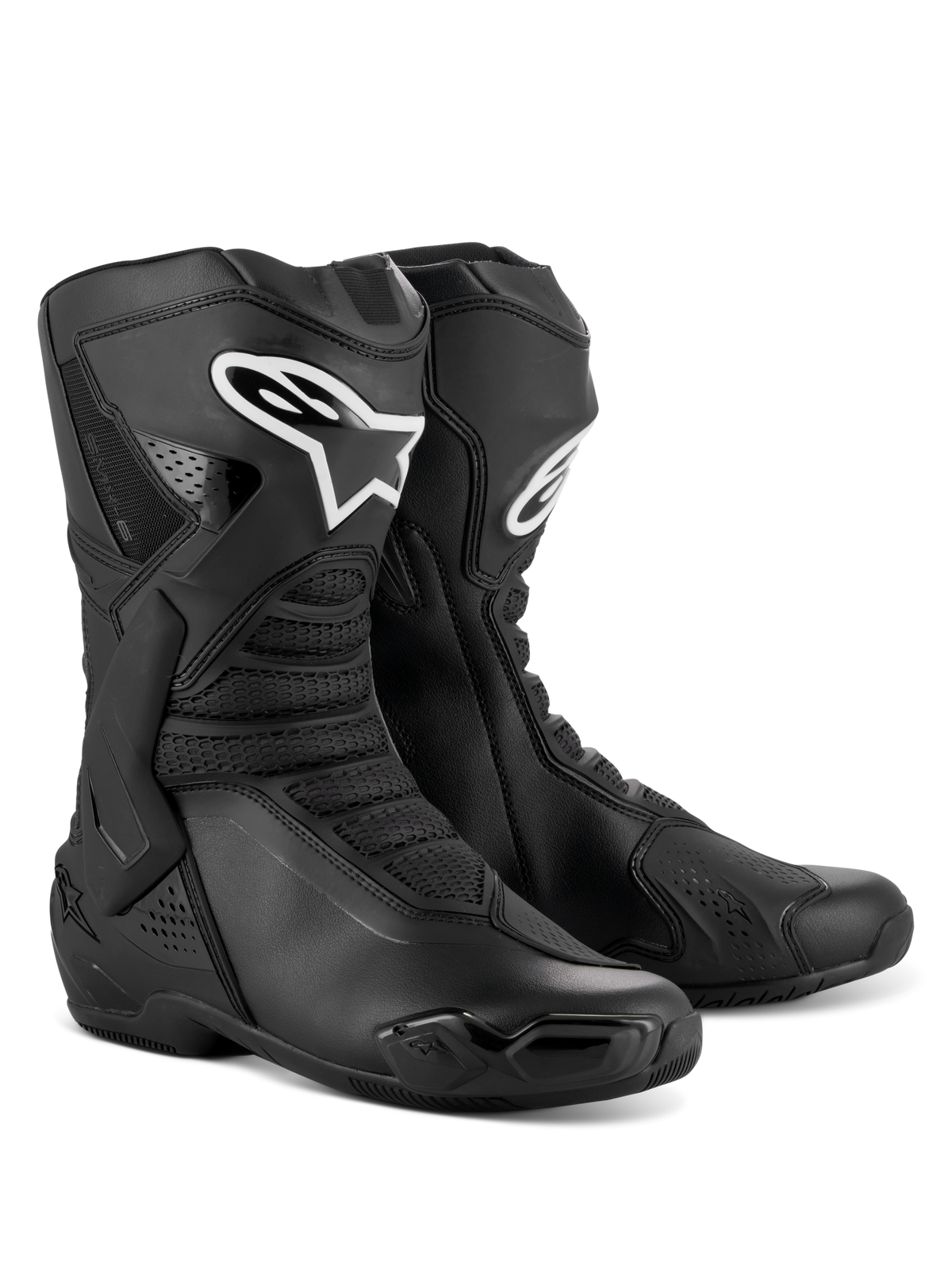
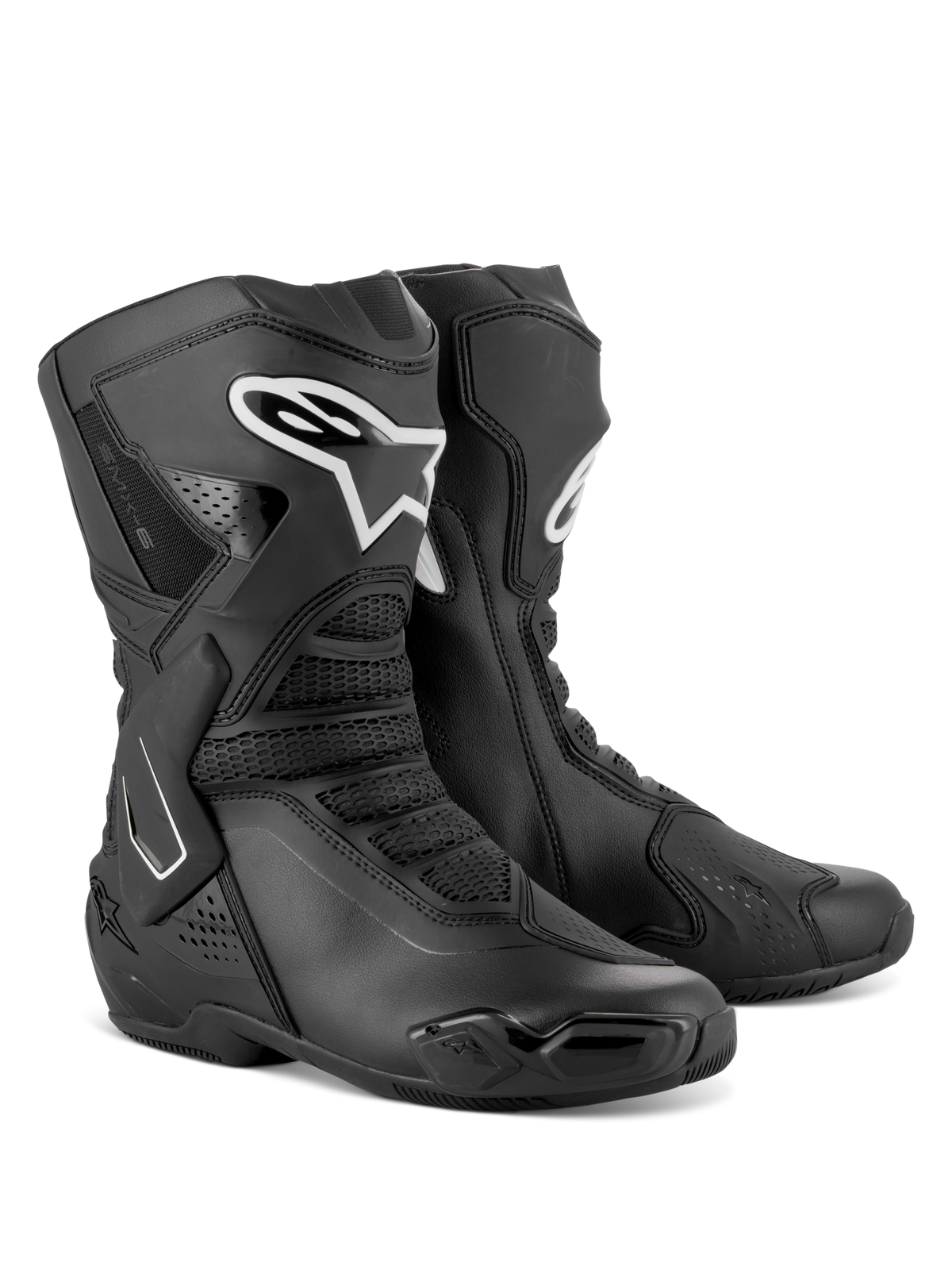
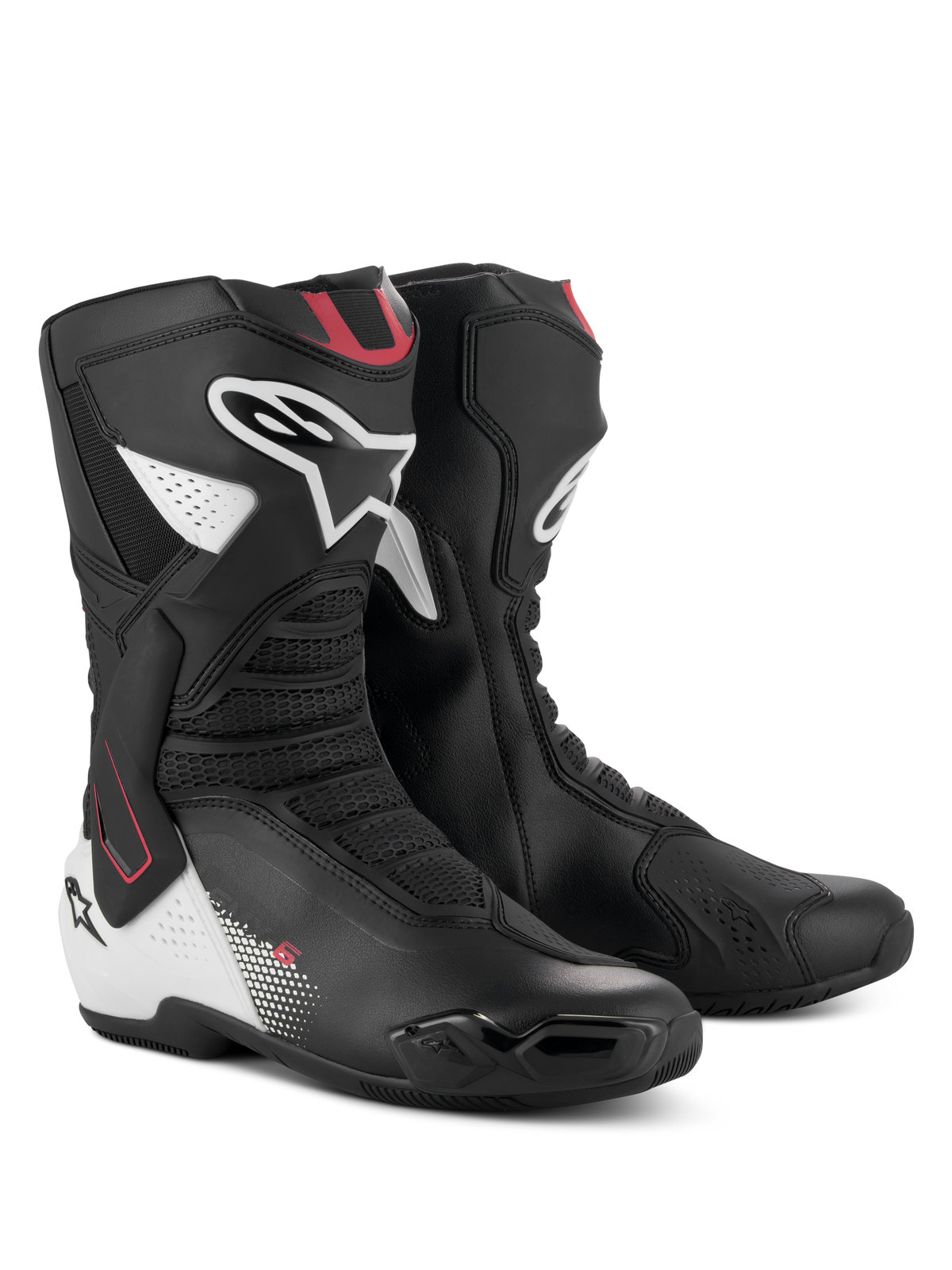
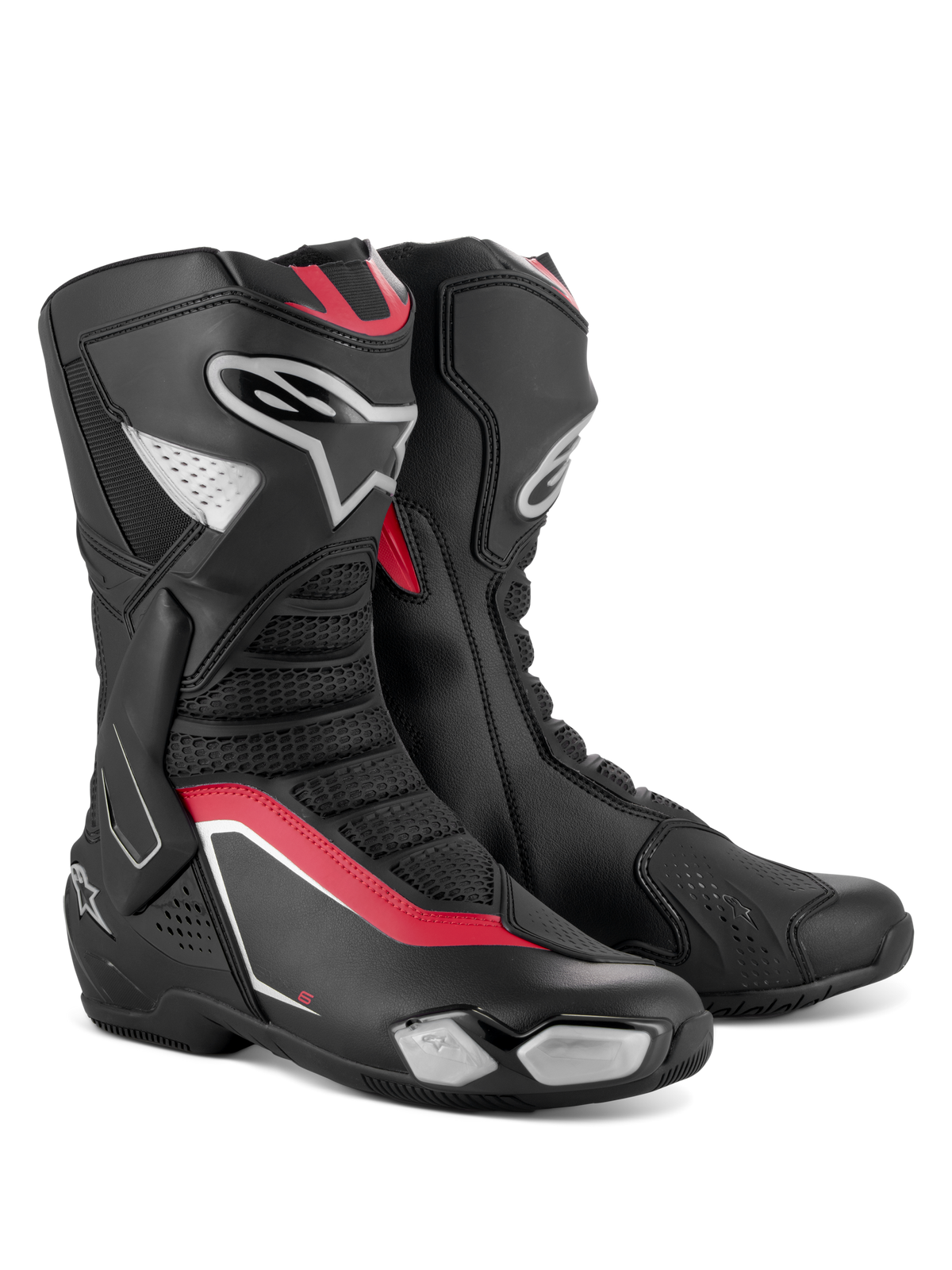
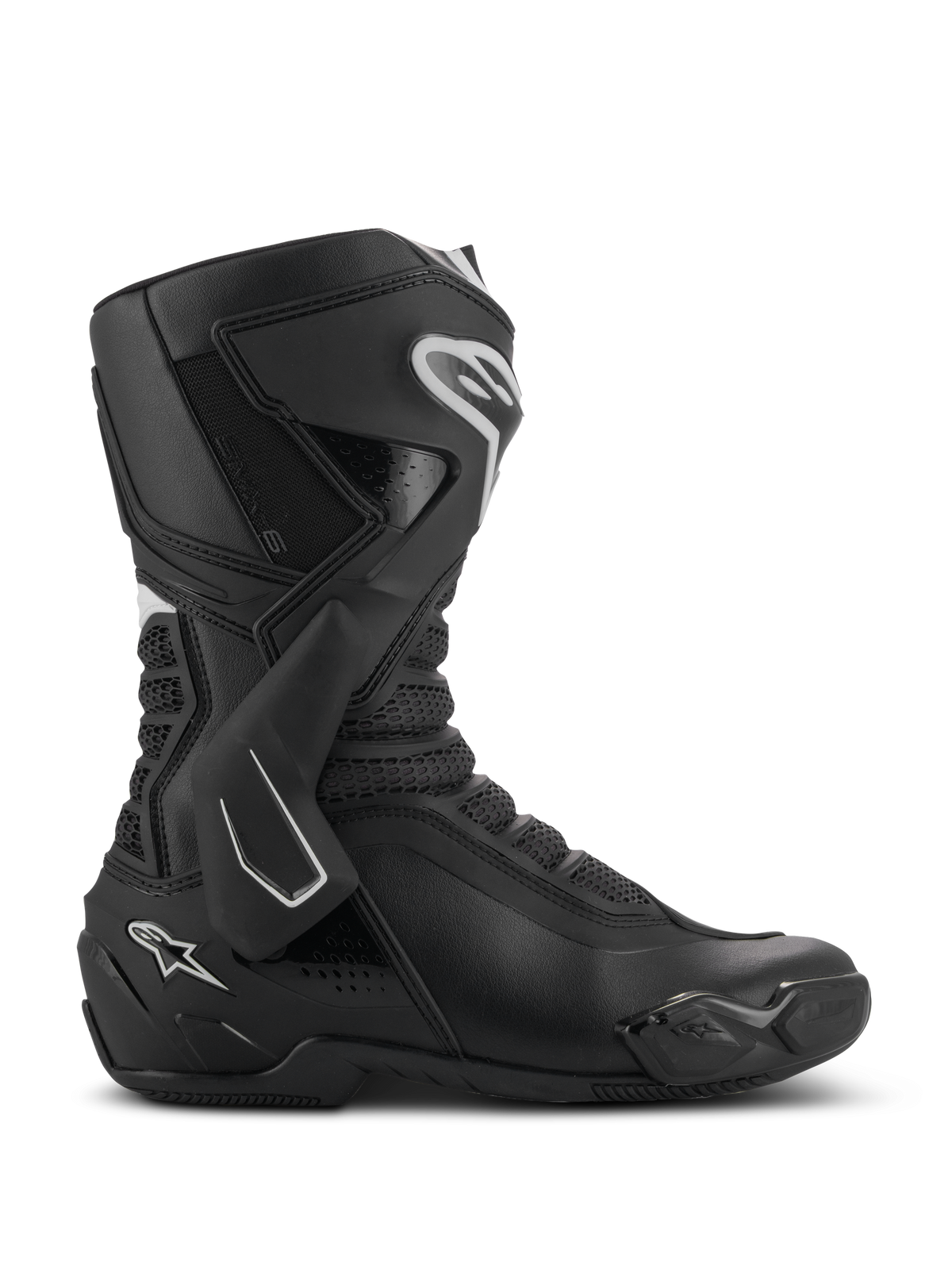
SMX-6 V3 Boots -
SMX-6 V3 Boots -
Stella SMX-6 V3 Boots -
SMX-6 V3 Boots -
SMX-6 V3 Boots -
SMX-6 V3 Boots -
Stella SMX-6 V3 Boots -
SMX-6 V3 Boots -
Stella SMX-1 R V2 Vented Boots -
SMX-1 R V2 Vented Boots -
SMX-1 R V2 Vented Boots -
SMX-1 R V2 Vented Boots

















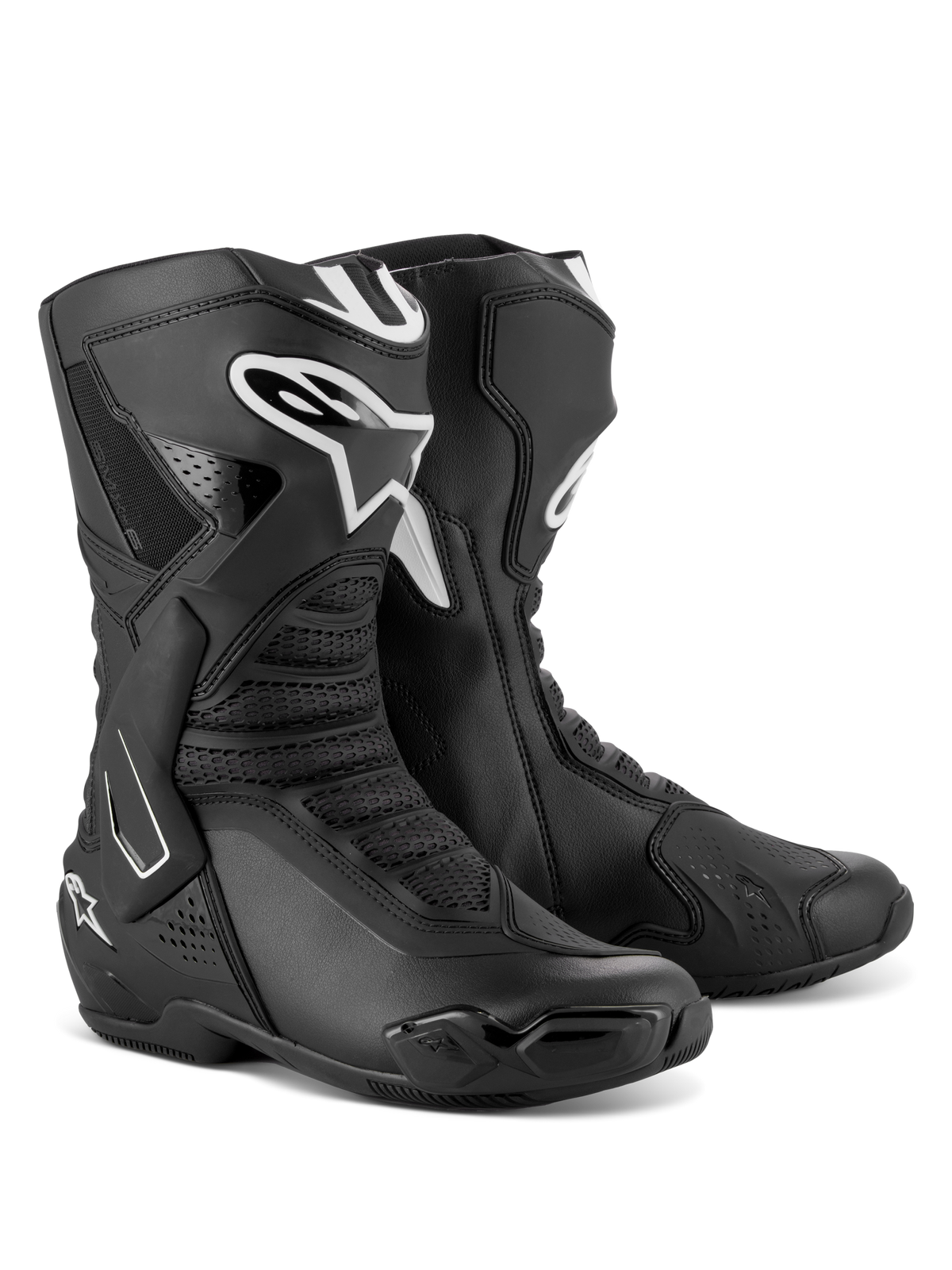
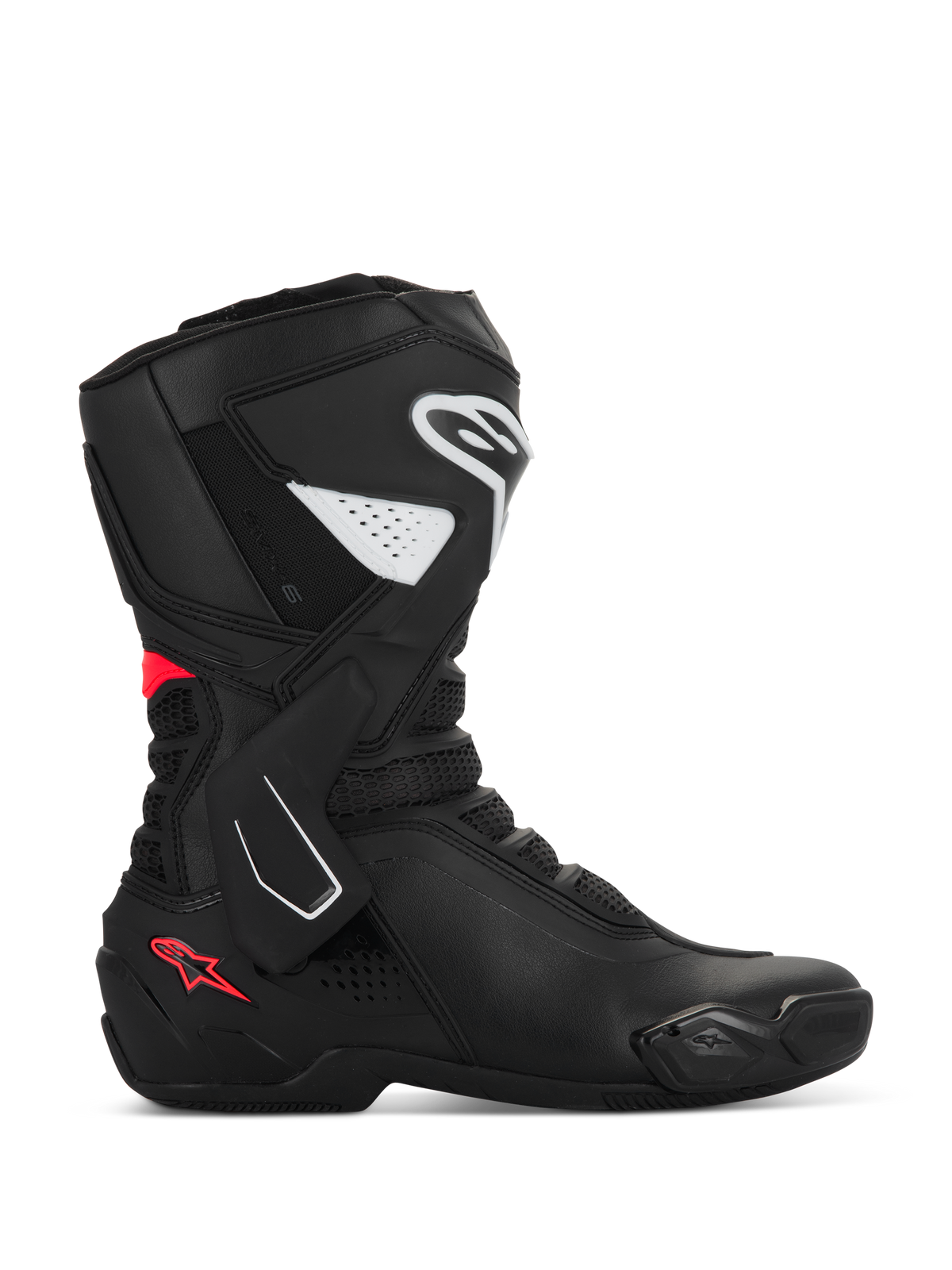


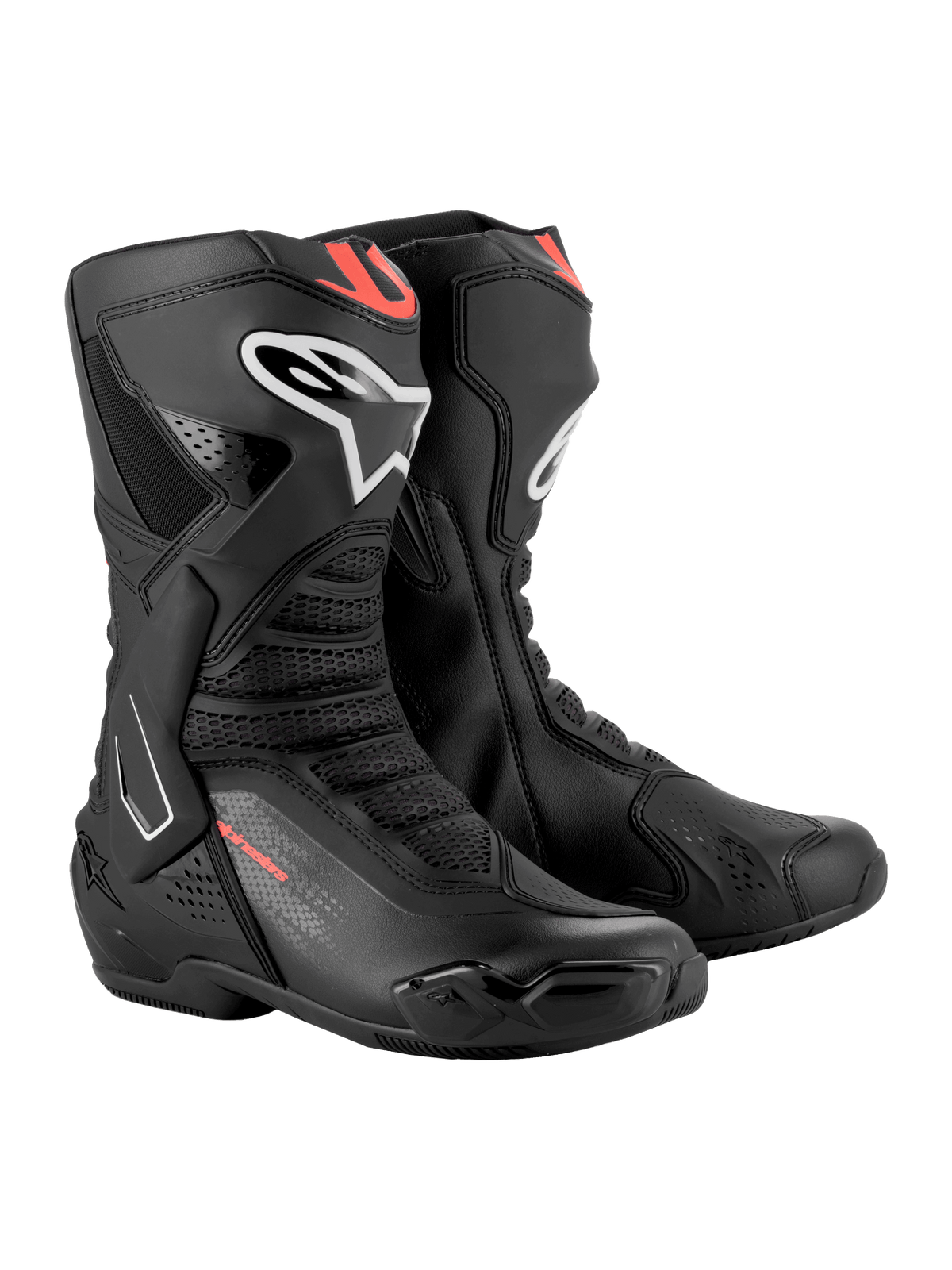


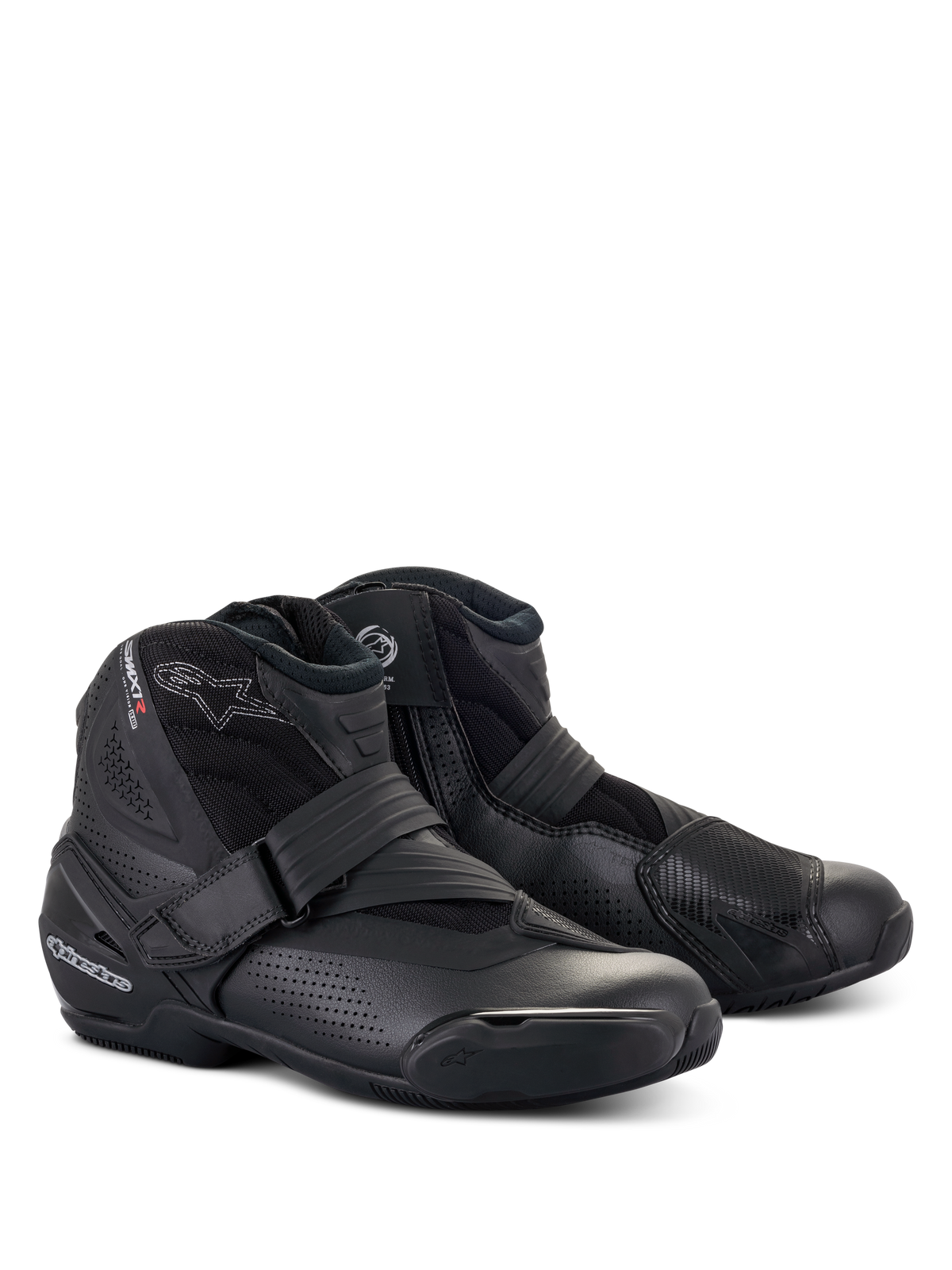
22 of 22 products
All products loaded
Frequently asked questions Hide FAQs
What are summer motorcycle boots designed for?
Summer motorcycle boots are designed for hot-weather road riding, where airflow, lower heat build-up, and motorcycle-specific protection all matter. Compared with all-season or waterproof boots, this collection typically focuses on ventilated construction, lighter materials, and a more breathable internal environment for riding in warm climates.
They are best suited to street, sport, and commuting use in dry to mixed summer conditions. Riders often choose summer boots when they want more cooling than a heavier waterproof boot can usually provide, while still keeping key features such as ankle support, reinforced shift areas, abrasion-resistant uppers, and protective sole construction.
Are summer motorcycle boots protective and CE certified?
Many summer motorcycle boots are built to the same motorcycle-footwear safety framework used across road-riding boots, with ventilation added rather than protection removed. Depending on the model, this can include reinforced ankle zones, heel and toe counters, shin coverage on taller boots, abrasion-resistant outer materials, and motorcycle-specific sole stiffness.
Where stated on the product page, CE certification to EN 13634 indicates the boot has been tested as protective motorcycle footwear. That standard covers areas such as abrasion resistance, impact and cut performance, transverse rigidity, and minimum height requirements. Always check the individual product listing for the exact certification and rating.
How should summer motorcycle boots fit?
Summer motorcycle boots should fit securely at the heel, instep, and ankle without creating pressure points that become more noticeable in heat. You should have enough room to move your toes naturally, but not so much space that the foot slides inside the boot during braking, shifting, or walking.
For the best fit, try them with the socks you normally ride in. If you are between sizes, consider how you ride: a closer fit generally improves bike feel and control, while riders using thicker socks or footbeds may prefer slightly more internal volume. A short break-in period is normal as the upper and flex zones adapt.
Are summer motorcycle boots waterproof?
In most cases, no. Summer motorcycle boots prioritize ventilation and moisture release, so they are typically not intended for prolonged wet-weather riding. Perforated panels, airflow zones, and lighter construction help reduce heat retention, but they also allow more air exchange than waterproof membrane boots.
If you ride mainly in high temperatures and dry weather, summer boots are usually the better choice. If your riding regularly includes rain, cold mornings, or variable touring conditions, a waterproof boot may be more suitable.
| Type | Main Priority | Best Conditions |
|---|---|---|
| Summer moto boots | Airflow and lower heat build-up | Warm to hot, mostly dry riding |
| Waterproof moto boots | Weather protection and coverage | Mixed weather, rain, cooler conditions |
If you want a lower-profile option for urban use in warm weather, you can also explore road riding shoes.
How do I clean and care for summer motorcycle boots?
Clean summer motorcycle boots with a soft brush or damp cloth to remove dust, bugs, and road grime from perforations, mesh zones, and protective panels. Use mild soap only when needed, and avoid harsh cleaners, solvents, or oil-based products that can affect adhesives, technical finishes, and breathable materials.
After riding, let the boots air-dry naturally in a shaded, ventilated area. Do not place them on direct heat sources or in a tumble dryer, as excessive heat can damage the upper, sole bonding, and internal reinforcements. Regularly inspect soles, closures, and high-wear contact areas to maintain fit, comfort, and protective performance.