


Frequently asked questions Hide FAQs
What is sim racing footwear and how is it different from regular racing boots?
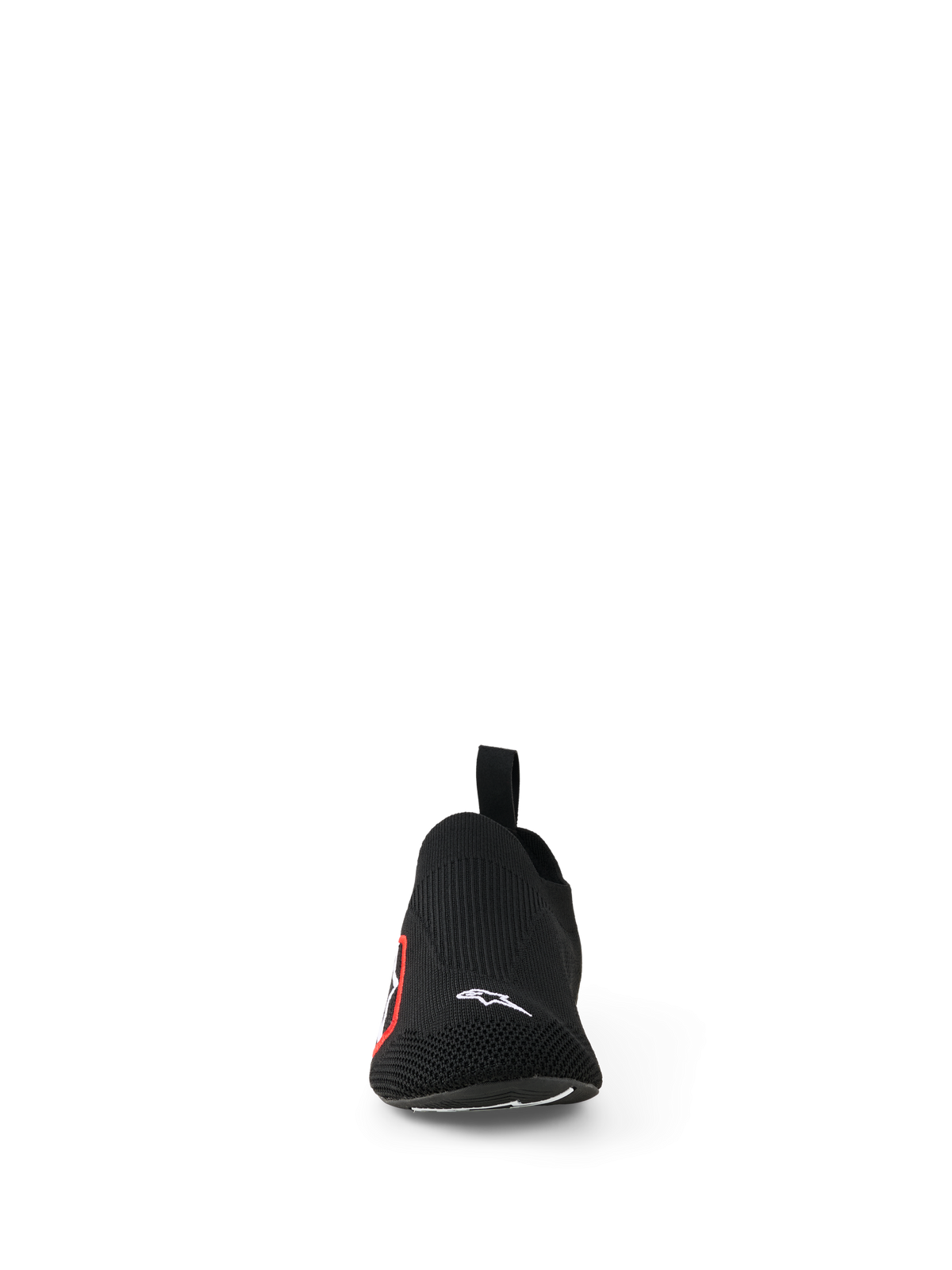
Sim racing footwear is specifically engineered for virtual motorsport competition, bridging the gap between casual gaming and professional-grade racing equipment. Unlike traditional motorsport boots designed for physical vehicle operation, sim racing shoes prioritize pedal feel, precision control, and extended comfort during multi-hour virtual racing sessions.
Key differences include thinner, more sensitive soles for direct pedal feedback through load cell brake systems, lightweight construction to reduce fatigue during long races, and breathable materials since fire protection isn't required. The design focuses on heel-toe downshifting precision and consistent pedal modulation rather than impact protection or abrasion resistance needed in real-world racing.
Are sim racing shoes suitable for karting or real-world motorsport use?
Sim racing footwear is purpose-built exclusively for virtual racing environments and should not be used for actual karting or motorsport activities. These shoes lack the essential safety certifications, fire-resistant materials, ankle protection, and structural reinforcement required for real-world racing applications.
For karting or track driving, explore our karting footwear collection or auto racing boots, which meet FIA and other motorsport safety standards. Sim racing shoes optimize virtual performance through thin soles and lightweight design—features that would compromise safety in physical motorsport environments.
What features should I look for in sim racing footwear?
Premium sim racing footwear prioritizes three critical performance areas: pedal sensitivity, comfort, and durability. Look for thin rubber soles that provide direct feedback from load cell pedals while maintaining enough grip to prevent foot slip during aggressive braking. The sole construction should allow you to feel pedal travel and pressure precisely, essential for consistent lap times.
Breathable, lightweight materials are crucial for extended racing sessions, as sim racing often involves hours of continuous use without the breaks typical in real motorsport. A snug, supportive fit around the heel and midfoot ensures your foot stays planted during heel-toe downshifting, while flexibility in the forefoot enables smooth pedal transitions. Quality construction with reinforced stitching in high-wear areas extends the lifespan of shoes subjected to repetitive pedal operation.
How do I choose the right size for sim racing shoes?
Sim racing footwear should fit snugly without restricting circulation or causing pressure points during extended use. Unlike casual shoes where extra room is common, sim racing shoes perform best with a close, athletic fit that eliminates excess movement inside the shoe—critical for precise pedal control and consistent muscle memory.
Consider that you'll typically wear thin socks or go sockless for maximum pedal feel. If between sizes, most sim racers prefer sizing down for tighter pedal feedback rather than sizing up. The shoe should feel secure around your heel to prevent lifting during throttle application, while your toes should just reach the front without being cramped. Remember that quality sim racing shoes may require a brief break-in period to conform to your foot shape.
Can I use sim racing footwear for everyday wear or other activities?
While sim racing shoes are technically wearable outside the racing simulator, their specialized design makes them less practical for everyday use. The thin, sensitive soles optimized for pedal feedback provide minimal cushioning and support for walking on varied surfaces, and the lightweight construction lacks the durability for regular street use.
These shoes excel in their intended environment—mounted to a sim racing rig where precision, pedal feel, and extended comfort matter most. Using them exclusively for sim racing also preserves the sole's grip characteristics and extends their competitive lifespan. For casual motorsport-inspired footwear suitable for daily wear, explore our casual shoes collection or urban riding shoes.