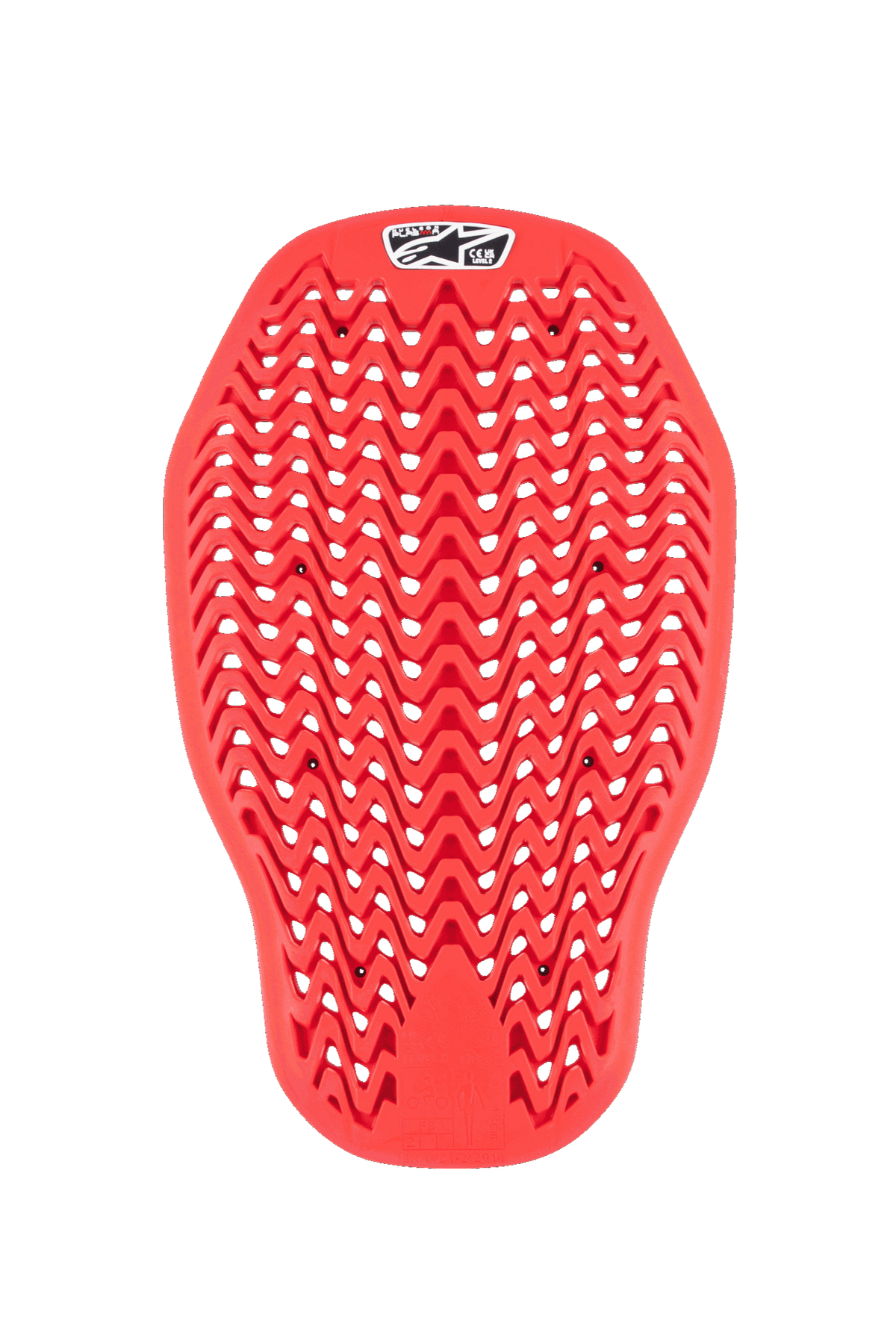
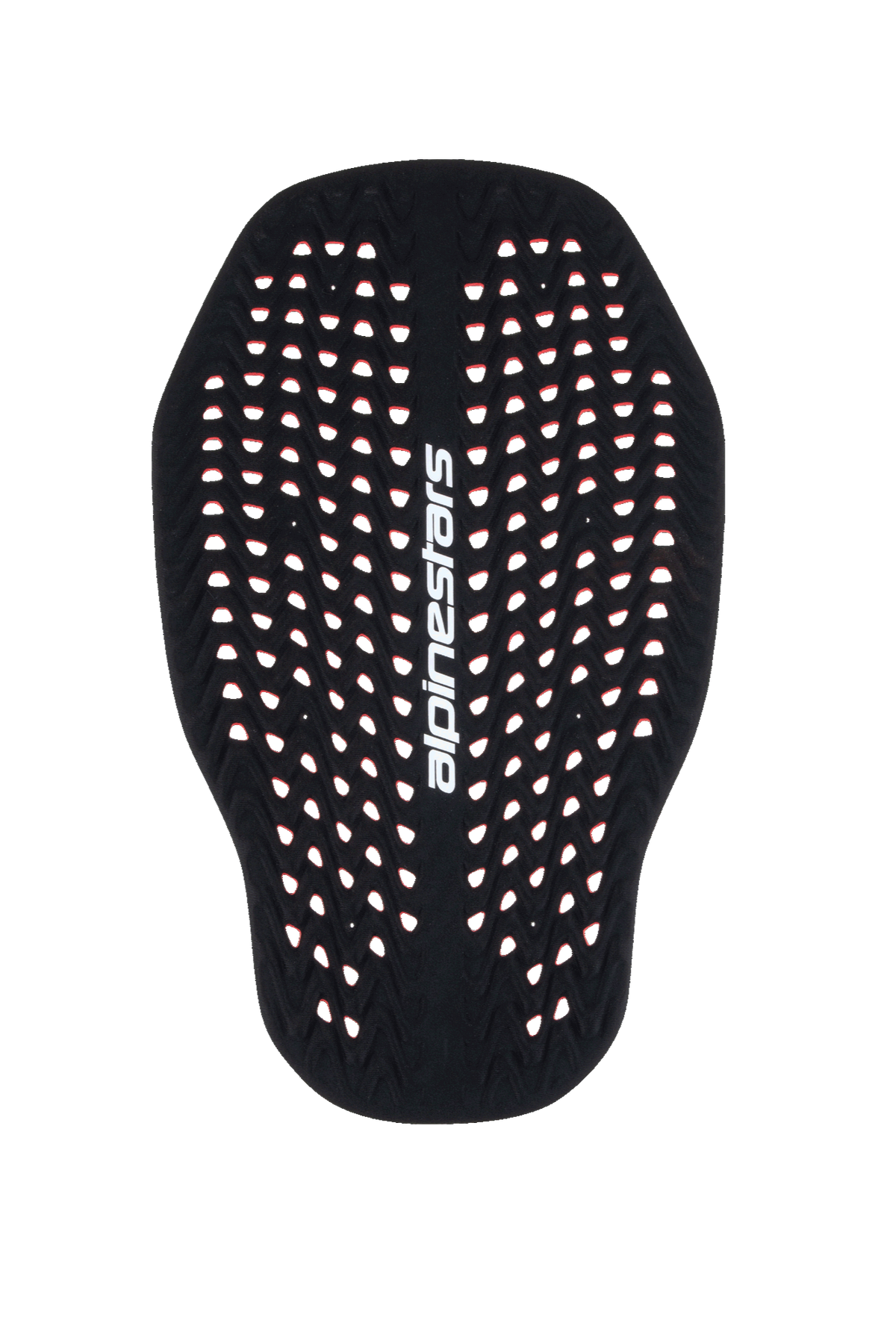
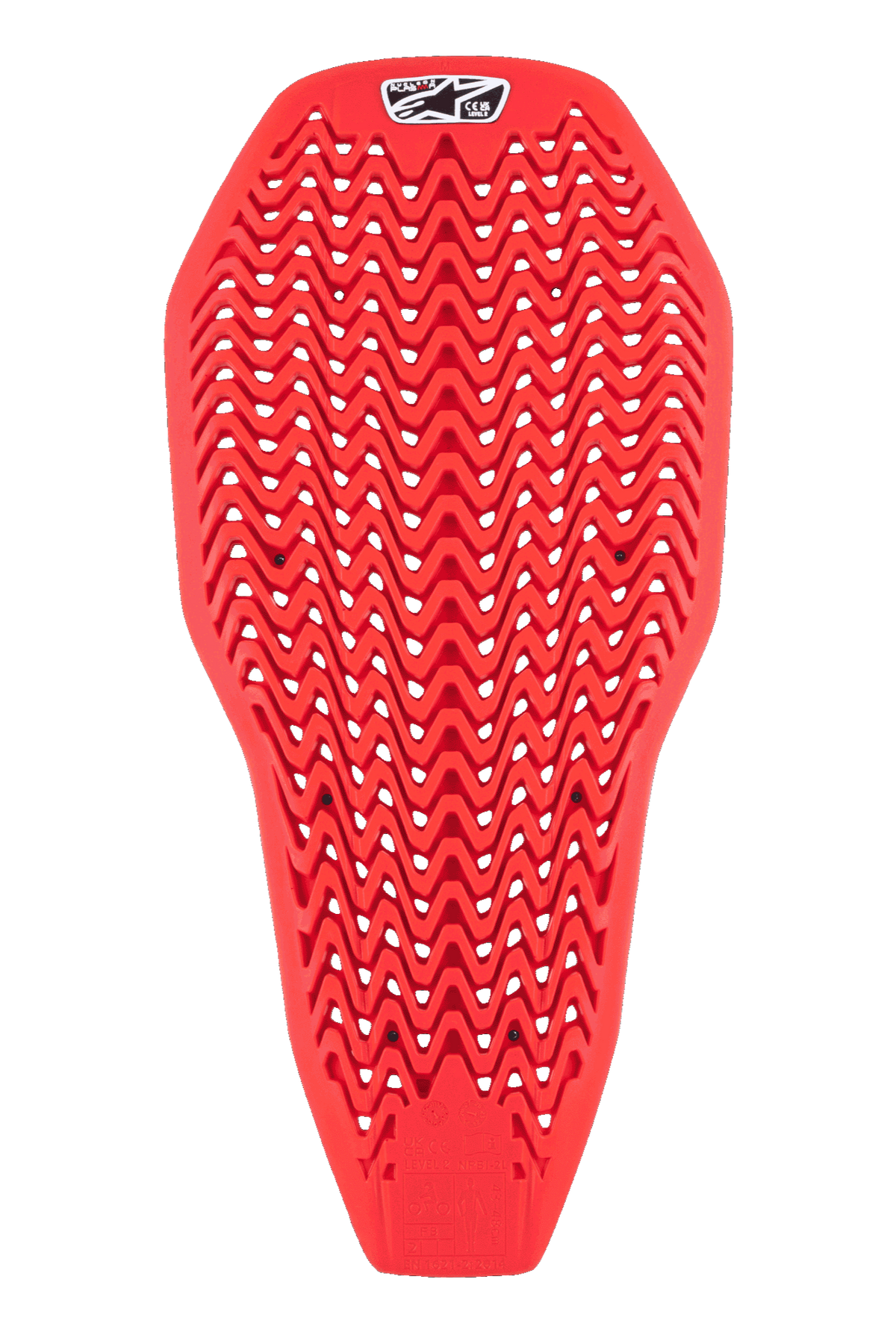
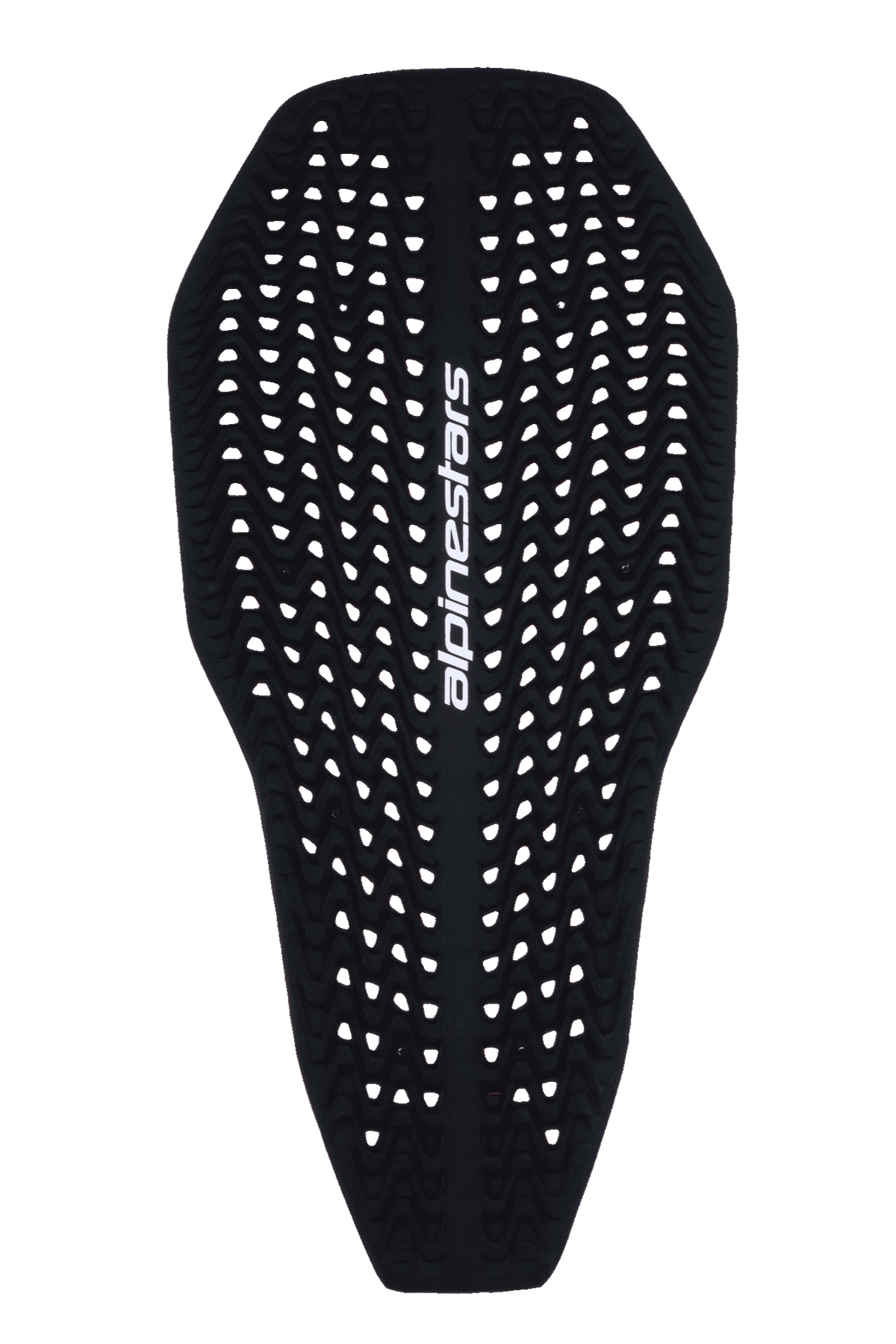
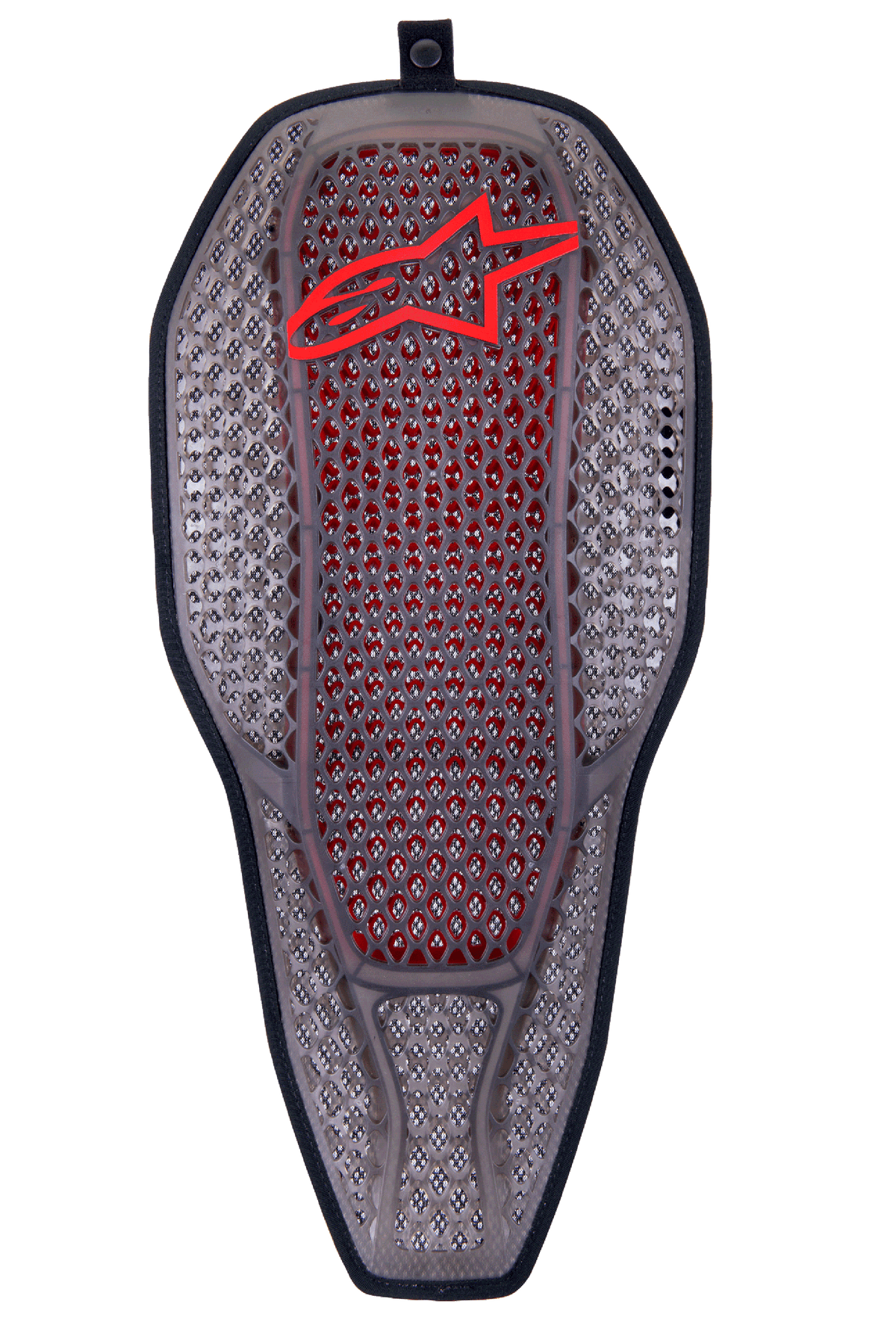
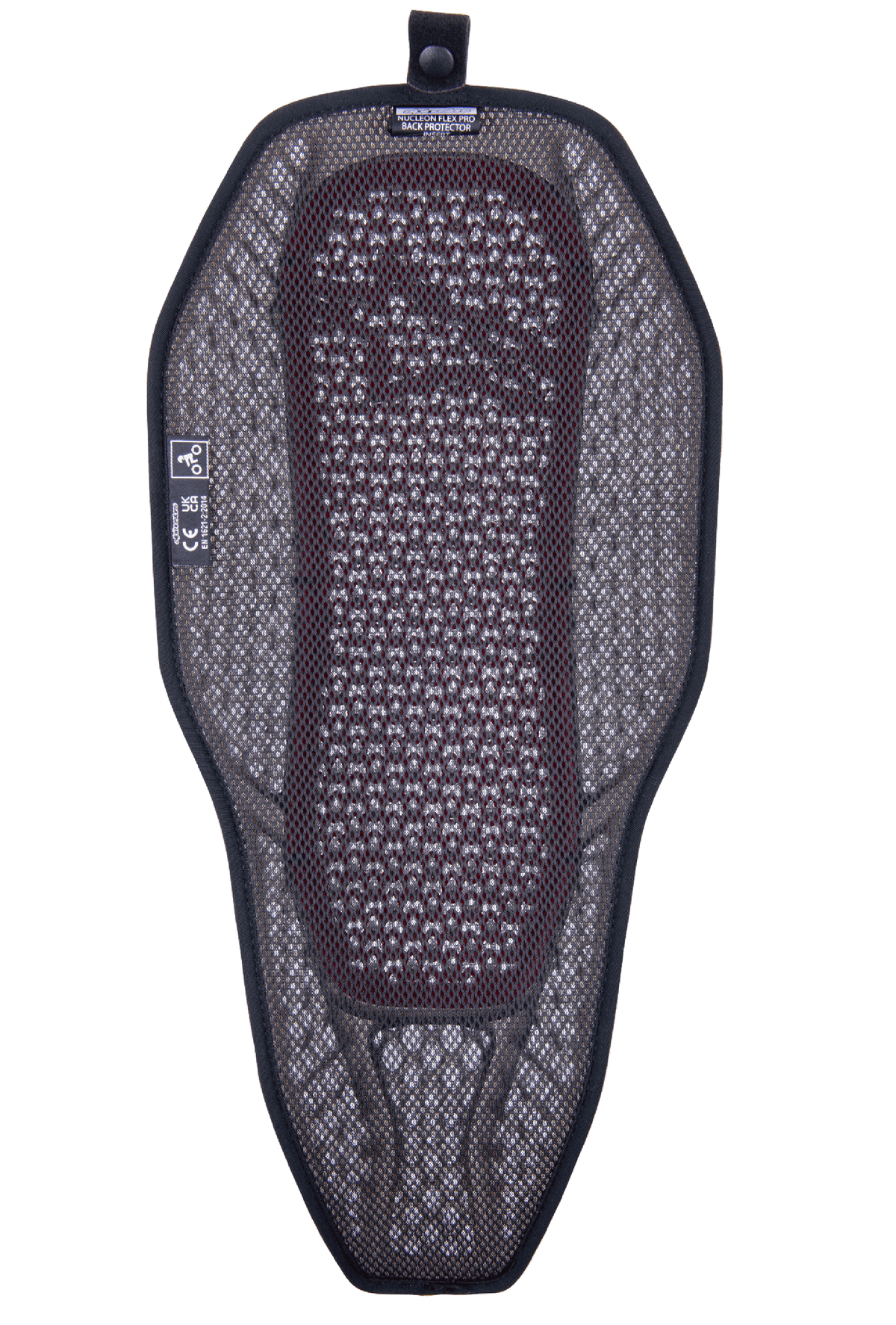
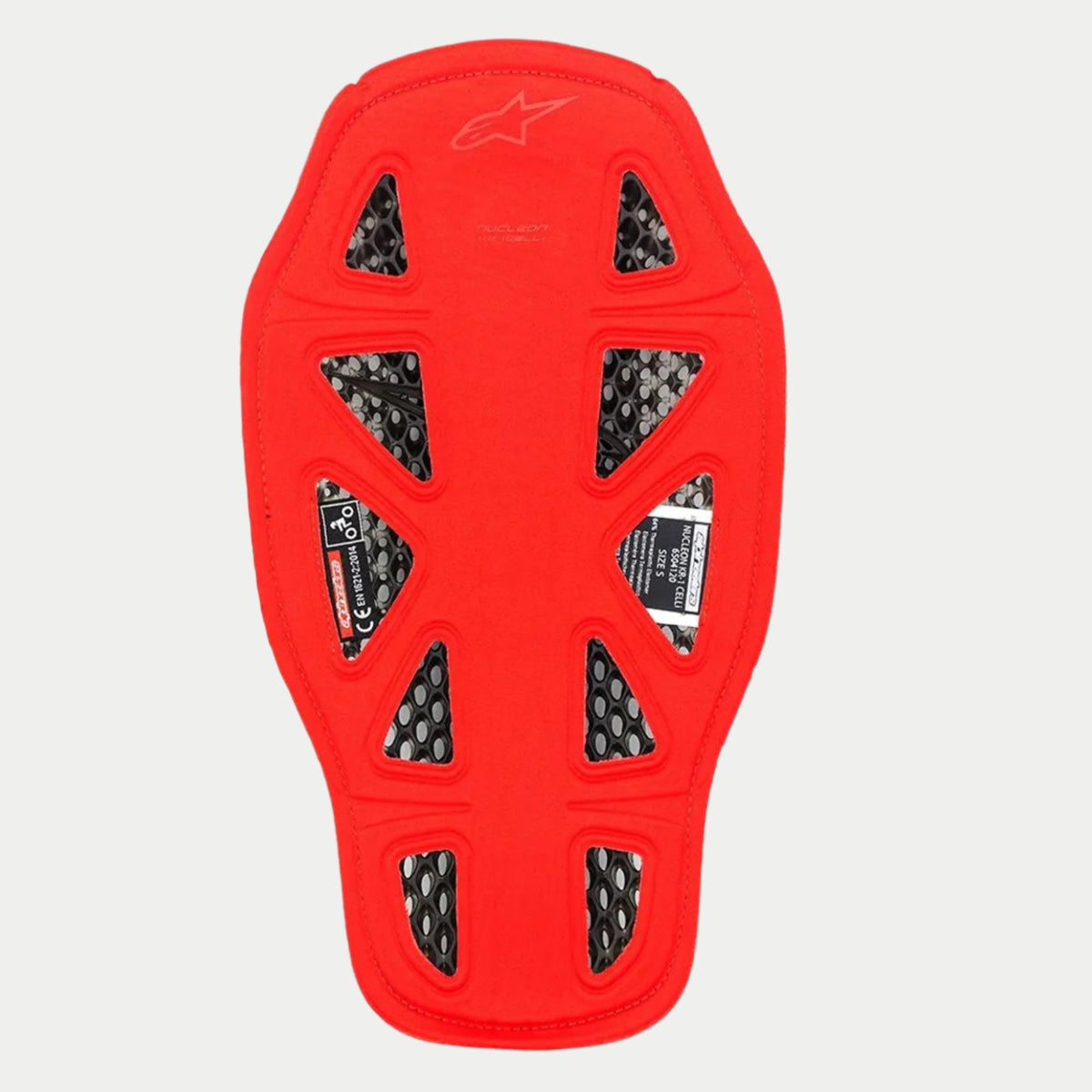
Compatible Protectors J19

Skip to results list
6 results

6 items

Filter

Gender
Category
Product Type
Riding Style
Size
Features
Season
Material
Color
Collection
Fit
Certifications
Product Type

J19-Compatible Protectors for Precise Garment Integration

Alpinestars® J19-compatible protectors are developed for jackets and suits that require this specific insert format, helping riders add dependable impact protection without compromising fit or mobility. Rather than treating armor as a universal accessory, this collection focuses on protectors shaped to work correctly within designated internal pockets. The result is more stable coverage over key impact zones, lower bulk inside the garment, and a cleaner interface between the shell, liner, and protective insert.


Fit Accuracy Matters for Effective Impact Coverage

When selecting a replacement or upgrade protector, compatibility is as important as protection level. A J19-compatible insert should sit flat inside the pocket, stay centered in the riding position, and avoid folding or creating pressure points. This matters whether the protector is used in a sport jacket, touring layer, or race-oriented suit. Many riders pairing inserts with road jackets or technical one-piece apparel benefit from the precise dimensions and profile needed for secure positioning during everyday riding and high-speed use.


Low-Bulk Construction for Comfort on the Bike

Modern protector design must balance impact absorption with flexibility and comfort. Alpinestars® compatible inserts are engineered to move naturally with the garment, reducing restriction when reaching for the bars, tucking behind a screen, or shifting body position through corners. Lightweight material structures and ergonomic shaping help minimize bulk, which is especially important in close-fitting road gear. A protector that fits properly not only improves comfort over long rides, but also helps maintain the intended silhouette and feel of the garment.


Protection Standards and Upgrade Considerations

Depending on the impact zone, motorcycle protectors may reference CE standards such as EN 1621-1 for limb protection, EN 1621-2 for back protection, or EN 1621-3 for chest protection. Riders choosing between slimmer and more protective options should always confirm what their specific garment accepts. If you are building a broader safety setup, explore the wider motorcycle protection range for additional coverage options that complement compatible inserts.


Designed to Support a Complete Riding System

Protectors perform best as part of a complete equipment system. Correctly matched inserts work alongside abrasion-resistant outer materials, secure closures, and rider-focused ergonomics to create consistent protection across the garment. For riders using race-derived apparel, J19-compatible inserts can be an important part of maintaining the original performance intent of compatible road suits and technical riding jackets.


Explore the Alpinestars® Compatible Protectors J19 collection to find inserts engineered for the right pocket shape, the right coverage area, and the right riding application. With correct compatibility and stable in-garment fit, these protectors help preserve comfort, mobility, and dependable impact management every time you ride.

Frequently asked questions Hide FAQs
What does J19 protector compatibility mean?

This collection groups protector inserts intended for Alpinestars garments that specify J19 compatibility. In practice, J19 functions as a matching reference, so the correct protector is determined by the garment’s internal pocket format and compatibility note rather than by rider preference alone.

Before ordering, check the garment product page, internal label, or care information for the stated protector compatibility and installation position. If your jacket or suit lists a different protector code, choose that matching format instead.

How do I choose the right J19-compatible protector for my Alpinestars jacket or suit?

Match the protector location and compatibility reference shown for your garment. For insert protectors, the pocket shape and dimensions matter as much as the protection level, so the insert should slide in cleanly, lie flat, and cover the intended impact zone without folding or creating pressure points.

If your garment lists multiple compatible options, choose based on the balance you want between low-bulk comfort and higher coverage. The safest approach is always to follow the compatibility note on the garment page for your exact jacket or suit.

Are J19-compatible protectors CE certified, and what standards should I look for?

Many Alpinestars replacement protectors are CE certified, but the standard depends on the impact zone. Limb protectors typically reference EN 1621-1, back protectors EN 1621-2, and chest protectors EN 1621-3.

Level 2 provides higher impact attenuation than Level 1, while Level 1 can feel slimmer and easier to layer in some garments. Always confirm the exact certification and level on the product page, because it varies by protector type and intended use.

Can I upgrade to a Level 2 or longer back protector if my garment is J19 compatible?

Only if the garment is designed for that protector format. Some newer Alpinestars sport and touring jackets can accept either a regular back protector insert or a longer full-back insert, while other garments are built around one specific pocket shape and protector size.

For that reason, do not assume that similar-looking inserts are interchangeable. Check the garment compatibility note first, especially if you are upgrading from a standard insert to a longer or higher-level protector.

How should I install and care for replacement protectors?

Install the protector in the correct internal pocket and orient it according to the garment or protector markings. Once fitted, try the garment in a riding position to confirm that the protector stays centered and does not twist, bunch, or leave gaps over the impact zone.

Remove protectors before washing the garment. Clean the protector with a damp cloth and mild soap only, let it dry naturally away from direct heat, and replace it if it shows cracking, permanent deformation, or visible damage after an impact.